
About This Book
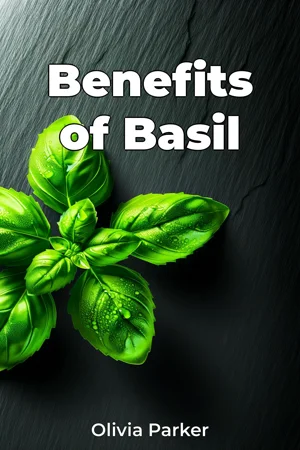
"Benefits of Basil" presents a research-based exploration of how this common culinary herb serves as a powerful tool for both physical and mental well-being, supported by centuries of traditional use and modern scientific validation. The book examines three primary areas: basil's impact on cognitive function, its stress-reducing properties, and its cardiovascular benefits. By integrating insights from neuroscience, phytochemistry, and traditional medicine, readers gain a comprehensive understanding of this versatile herb's mechanisms of action and practical applications. Beginning with basil's historical significance in Ayurvedic medicine and Mediterranean cultures, the text establishes the foundation for understanding its traditional uses. The book then bridges this historical knowledge with current scientific research, presenting studies that demonstrate how basil's active compounds, particularly eugenol and rosmarinic acid, interact with human physiology. The first section focuses on mental clarity, examining how basil's essential oils influence neurotransmitter function and cognitive performance. Clinical studies showing improved memory retention and enhanced focus among regular basil consumers are presented, along with detailed explanations of the underlying biochemical processes. The stress-reduction segment analyzes basil's adaptogenic properties, exploring its effect on cortisol levels and the body's stress response system. This section includes practical protocols for incorporating basil into daily stress management routines, supported by research from both Eastern and Western medical traditions. The cardiovascular health chapter examines basil's role in maintaining healthy blood pressure and cholesterol levels. The book presents evidence from multiple clinical trials demonstrating basil's positive impact on heart health markers, including its anti-inflammatory properties and antioxidant effects. Through an interdisciplinary lens, the book connects nutritional science, neurobiology, and preventive medicine. It includes detailed guidance for cultivation, preparation, and optimal dosage, making the information immediately applicable for readers. The text maintains an evidence-based approach while remaining accessible to general readers interested in natural health solutions. The content is organized progressively, moving from basic concepts to more complex applications. Each chapter includes practical recommendations, cooking techniques, and therapeutic preparations, allowing readers to implement the information effectively. Case studies and research summaries provide concrete examples of basil's benefits in various contexts. Written for health-conscious individuals, cooking enthusiasts, and wellness practitioners, the book provides both scientific depth and practical utility. It addresses common misconceptions about herbal medicine while maintaining a balanced perspective on integrating traditional wisdom with modern research. The work acknowledges ongoing debates in the field of herbal medicine regarding standardization and efficacy measurements, presenting multiple viewpoints and current research limitations. It also discusses variations among basil species and their distinct properties, helping readers make informed choices for specific health objectives. Through methodical analysis and practical guidance, "Benefits of Basil" serves as a comprehensive resource for understanding and utilizing this herb's full potential for mental and physical health enhancement. The book concludes with future research directions and emerging applications in preventive healthcare, positioning basil as a valuable tool in the modern wellness landscape.
"Benefits of Basil" presents a research-based exploration of how this common culinary herb serves as a powerful tool for both physical and mental well-being, supported by centuries of traditional use and modern scientific validation. The book examines three primary areas: basil's impact on cognitive function, its stress-reducing properties, and its cardiovascular benefits. By integrating insights from neuroscience, phytochemistry, and traditional medicine, readers gain a comprehensive understanding of this versatile herb's mechanisms of action and practical applications. Beginning with basil's historical significance in Ayurvedic medicine and Mediterranean cultures, the text establishes the foundation for understanding its traditional uses. The book then bridges this historical knowledge with current scientific research, presenting studies that demonstrate how basil's active compounds, particularly eugenol and rosmarinic acid, interact with human physiology. The first section focuses on mental clarity, examining how basil's essential oils influence neurotransmitter function and cognitive performance. Clinical studies showing improved memory retention and enhanced focus among regular basil consumers are presented, along with detailed explanations of the underlying biochemical processes. The stress-reduction segment analyzes basil's adaptogenic properties, exploring its effect on cortisol levels and the body's stress response system. This section includes practical protocols for incorporating basil into daily stress management routines, supported by research from both Eastern and Western medical traditions. The cardiovascular health chapter examines basil's role in maintaining healthy blood pressure and cholesterol levels. The book presents evidence from multiple clinical trials demonstrating basil's positive impact on heart health markers, including its anti-inflammatory properties and antioxidant effects. Through an interdisciplinary lens, the book connects nutritional science, neurobiology, and preventive medicine. It includes detailed guidance for cultivation, preparation, and optimal dosage, making the information immediately applicable for readers. The text maintains an evidence-based approach while remaining accessible to general readers interested in natural health solutions. The content is organized progressively, moving from basic concepts to more complex applications. Each chapter includes practical recommendations, cooking techniques, and therapeutic preparations, allowing readers to implement the information effectively. Case studies and research summaries provide concrete examples of basil's benefits in various contexts. Written for health-conscious individuals, cooking enthusiasts, and wellness practitioners, the book provides both scientific depth and practical utility. It addresses common misconceptions about herbal medicine while maintaining a balanced perspective on integrating traditional wisdom with modern research. The work acknowledges ongoing debates in the field of herbal medicine regarding standardization and efficacy measurements, presenting multiple viewpoints and current research limitations. It also discusses variations among basil species and their distinct properties, helping readers make informed choices for specific health objectives. Through methodical analysis and practical guidance, "Benefits of Basil" serves as a comprehensive resource for understanding and utilizing this herb's full potential for mental and physical health enhancement. The book concludes with future research directions and emerging applications in preventive healthcare, positioning basil as a valuable tool in the modern wellness landscape.
"Benefits of Basil" offers a fascinating exploration of this common kitchen herb's remarkable impact on human health, bridging ancient wisdom with modern scientific research. This comprehensive guide delves into three crucial areas: cognitive enhancement, stress reduction, and cardiovascular health, presenting compelling evidence for basil's role in overall wellness. Through careful examination of its active compounds, particularly eugenol and rosmarinic acid, the book reveals how this versatile herb has earned its place in both traditional medicine and contemporary healthcare. The journey begins with basil's historical roots in Ayurvedic and Mediterranean traditions before progressing into current scientific understanding. Each chapter builds upon this foundation, offering practical applications alongside rigorous research findings. Readers discover how basil's essential oils influence brain function and memory, its adaptogenic properties help manage stress, and its antioxidant components support heart health. The book's approach makes complex biochemical concepts accessible while maintaining scientific integrity. What sets this work apart is its balanced integration of practical guidance with scientific evidence, offering readers both the "why" and "how" of incorporating basil into their wellness routines. From cultivation techniques to optimal dosage recommendations, the book provides actionable insights for everyone from cooking enthusiasts to health practitioners. Case studies and research summaries throughout the text demonstrate real-world applications, while thoughtful discussions of current research limitations maintain a credible, well-rounded perspective.
Book Details
ISBN
9788233951931
Publisher
Publifye AS
Your Licenses
You don't own any licenses for this book
Purchase a license below to unlock this book and download the EPUB.
Purchase License
Select a tier to unlock this book
Need bulk licensing?
Contact us for enterprise agreements.