
About This Book
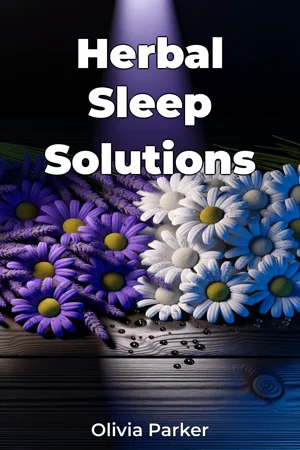
"Herbal Sleep Solutions" provides a science-based exploration of natural remedies for sleep disorders, bridging traditional herbal medicine with modern sleep science. In an era where over 30% of adults struggle with chronic sleep issues, this comprehensive guide presents evidence-based approaches to achieving restful sleep through botanical interventions. The book begins by examining the physiological mechanisms of sleep and how various herbs interact with the body's natural sleep-wake cycle. Through detailed analysis, readers learn about key sleep-promoting compounds such as valerenic acid in valerian root and linalool in lavender, and how these botanical constituents influence neurotransmitters and sleep hormones. Central to the work is the presentation of twenty research-backed herbs, organized by their primary sleep-supporting functions. These include deep sleep promoters (valerian, hops), anxiety reducers (passionflower, chamomile), and circadian rhythm regulators (ashwagandha, holy basil). Each herb is examined through both traditional usage history and contemporary clinical studies, providing readers with a balanced understanding of their efficacy. The book's structure progresses from fundamental concepts to practical applications, divided into three main sections. The first establishes the scientific foundation of sleep physiology and herbal medicine principles. The second presents detailed monographs of sleep-supporting herbs, including optimal preparation methods, dosage guidelines, and safety considerations. The final section offers practical protocols for common sleep challenges, from occasional insomnia to shift work sleep disorder. Supporting research draws from peer-reviewed clinical trials, ethnobotanical studies, and pharmacological research. The book references studies from major sleep research centers and includes data from both Western and traditional medicine systems, providing a comprehensive evidence base for herbal interventions. The work integrates insights from multiple disciplines, including neuroscience, botanical medicine, and chronobiology. This interdisciplinary approach helps readers understand how herbal solutions fit within the broader context of sleep health and general wellness. Written in an accessible yet authoritative style, the book maintains scientific rigor while ensuring information remains practical and applicable. Technical concepts are carefully explained using clear language and supported by illustrations of molecular structures and physiological processes. The target audience includes both healthcare practitioners and informed consumers seeking evidence-based natural sleep solutions. Special attention is given to addressing common concerns about herbal medicine safety, interactions with conventional medications, and appropriate usage guidelines. The book acknowledges the limitations of current research while providing practical recommendations based on available evidence. It addresses ongoing debates in sleep medicine, including the role of natural remedies versus conventional sleep medications, and presents balanced perspectives on these issues. Practical applications include detailed protocols for preparing herbal formulations, guidance on timing and dosage, and lifestyle modifications that enhance herbal interventions. The book also provides troubleshooting guides for common challenges in implementing herbal sleep solutions. This work fills a crucial gap in sleep literature by providing a comprehensive, evidence-based resource for natural sleep interventions. It maintains professional skepticism while acknowledging the documented benefits of properly selected and prepared herbal remedies for sleep improvement. Readers will find specific recommendations for different sleep challenges, clear safety guidelines, and systematic approaches to incorporating herbal solutions into their sleep hygiene practices. The book concludes with protocols for tracking sleep improvements and adjusting herbal interventions for optimal results.
"Herbal Sleep Solutions" provides a science-based exploration of natural remedies for sleep disorders, bridging traditional herbal medicine with modern sleep science. In an era where over 30% of adults struggle with chronic sleep issues, this comprehensive guide presents evidence-based approaches to achieving restful sleep through botanical interventions. The book begins by examining the physiological mechanisms of sleep and how various herbs interact with the body's natural sleep-wake cycle. Through detailed analysis, readers learn about key sleep-promoting compounds such as valerenic acid in valerian root and linalool in lavender, and how these botanical constituents influence neurotransmitters and sleep hormones. Central to the work is the presentation of twenty research-backed herbs, organized by their primary sleep-supporting functions. These include deep sleep promoters (valerian, hops), anxiety reducers (passionflower, chamomile), and circadian rhythm regulators (ashwagandha, holy basil). Each herb is examined through both traditional usage history and contemporary clinical studies, providing readers with a balanced understanding of their efficacy. The book's structure progresses from fundamental concepts to practical applications, divided into three main sections. The first establishes the scientific foundation of sleep physiology and herbal medicine principles. The second presents detailed monographs of sleep-supporting herbs, including optimal preparation methods, dosage guidelines, and safety considerations. The final section offers practical protocols for common sleep challenges, from occasional insomnia to shift work sleep disorder. Supporting research draws from peer-reviewed clinical trials, ethnobotanical studies, and pharmacological research. The book references studies from major sleep research centers and includes data from both Western and traditional medicine systems, providing a comprehensive evidence base for herbal interventions. The work integrates insights from multiple disciplines, including neuroscience, botanical medicine, and chronobiology. This interdisciplinary approach helps readers understand how herbal solutions fit within the broader context of sleep health and general wellness. Written in an accessible yet authoritative style, the book maintains scientific rigor while ensuring information remains practical and applicable. Technical concepts are carefully explained using clear language and supported by illustrations of molecular structures and physiological processes. The target audience includes both healthcare practitioners and informed consumers seeking evidence-based natural sleep solutions. Special attention is given to addressing common concerns about herbal medicine safety, interactions with conventional medications, and appropriate usage guidelines. The book acknowledges the limitations of current research while providing practical recommendations based on available evidence. It addresses ongoing debates in sleep medicine, including the role of natural remedies versus conventional sleep medications, and presents balanced perspectives on these issues. Practical applications include detailed protocols for preparing herbal formulations, guidance on timing and dosage, and lifestyle modifications that enhance herbal interventions. The book also provides troubleshooting guides for common challenges in implementing herbal sleep solutions. This work fills a crucial gap in sleep literature by providing a comprehensive, evidence-based resource for natural sleep interventions. It maintains professional skepticism while acknowledging the documented benefits of properly selected and prepared herbal remedies for sleep improvement. Readers will find specific recommendations for different sleep challenges, clear safety guidelines, and systematic approaches to incorporating herbal solutions into their sleep hygiene practices. The book concludes with protocols for tracking sleep improvements and adjusting herbal interventions for optimal results.
"Herbal Sleep Solutions" offers a groundbreaking bridge between traditional herbal medicine and modern sleep science, addressing the growing epidemic of sleep disorders affecting over 30% of adults. This comprehensive guide stands out by presenting evidence-based botanical interventions while maintaining scientific rigor and practical applicability. The book methodically explores the complex relationship between herbal remedies and sleep physiology, focusing on well-researched compounds like valerenic acid from valerian root and linalool from lavender. Through three well-structured sections, readers journey from fundamental sleep science through detailed herb monographs to practical application protocols. Twenty carefully selected herbs are examined through both historical usage and contemporary clinical studies, with particular attention given to deep sleep promoters, anxiety reducers, and circadian rhythm regulators. What sets this resource apart is its interdisciplinary approach, combining insights from neuroscience, botanical medicine, and chronobiology. Healthcare practitioners and informed consumers will appreciate the balanced presentation of evidence, including clear safety guidelines and potential interactions with conventional medications. The book provides specific protocols for various sleep challenges, from occasional insomnia to shift work sleep disorder, while maintaining an accessible writing style that makes complex concepts understandable without sacrificing scientific accuracy.
Book Details
ISBN
9788233951702
Publisher
Publifye AS
Your Licenses
You don't own any licenses for this book
Purchase a license below to unlock this book and download the EPUB.
Purchase License
Select a tier to unlock this book
Need bulk licensing?
Contact us for enterprise agreements.