
About This Book
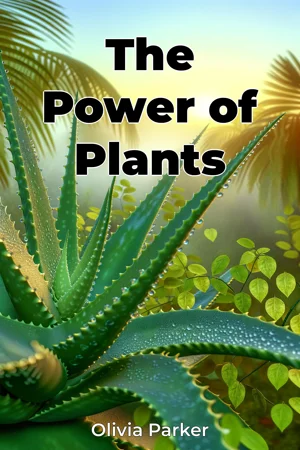
"The Power of Plants" explores the scientifically-documented healing properties of medicinal plants, tracing their role from traditional practices to modern pharmaceutical applications. Drawing from research across six continents, this comprehensive guide examines how plants like aloe vera and neem have shaped human health practices for millennia. The book presents three core themes: the biochemical foundations of plant-based medicine, the cultural significance of healing plants across civilizations, and the integration of traditional plant knowledge into contemporary healthcare. These interconnected topics reveal how plant compounds interact with human physiology and why certain species have become universal healing agents. Beginning with an examination of plant evolution and adaptation, the text establishes how plants developed complex chemical compounds as defense mechanisms, which humans later discovered could treat ailments. The book dedicates substantial attention to fifty key medicinal plants, with aloe vera and neem serving as primary case studies due to their widespread use and documented efficacy. The research draws from botanical studies, ethnographic research, and clinical trials, providing readers with a multi-faceted understanding of each plant's properties. Archaeological evidence and historical documents demonstrate how various cultures independently identified similar therapeutic uses for specific plants, suggesting inherent biological effectiveness rather than mere placebo effects. Structured in three parts, the book first establishes the scientific principles behind plant medicine, including detailed analyses of active compounds and their mechanisms of action. The second section examines cultural practices and traditional knowledge systems, while the final part bridges ancient wisdom with modern applications, including current research and clinical studies. The work connects botany, chemistry, anthropology, and medicine, demonstrating how these disciplines contribute to our understanding of plant-based healing. The author presents evidence from peer-reviewed studies, laboratory analyses, and documented traditional practices, creating a balanced perspective on both time-tested applications and new discoveries. Written in an academic yet accessible style, the text includes detailed illustrations, chemical structures, and case studies. While technical concepts are thoroughly explained, the narrative remains engaging for readers with basic scientific literacy. The target audience includes healthcare professionals, researchers, herbalists, and informed general readers interested in evidence-based natural medicine. The book addresses current debates in the field, including standardization of plant-based medicines, sustainable harvesting practices, and the integration of traditional plant knowledge into modern healthcare systems. It examines challenges in quality control and the need for more rigorous research protocols in studying traditional medicines. Practical applications include guidance on cultivation, preparation methods, and appropriate usage of medicinal plants, while emphasizing the importance of consulting healthcare providers. The work maintains scientific objectivity while acknowledging both the potential and limitations of plant-based treatments. Rather than promoting alternative medicine over conventional treatments, the book advocates for an integrated approach, recognizing the value of both traditional wisdom and modern medical advances. It provides context for how plant-based medicines can complement current medical practices while maintaining scientific rigor and safety standards. The scope encompasses both historical uses and current research, focusing on plants with substantial scientific documentation rather than speculative or anecdotal claims. This balanced approach helps readers distinguish between validated traditional practices and unsubstantiated claims in the field of botanical medicine.
"The Power of Plants" explores the scientifically-documented healing properties of medicinal plants, tracing their role from traditional practices to modern pharmaceutical applications. Drawing from research across six continents, this comprehensive guide examines how plants like aloe vera and neem have shaped human health practices for millennia. The book presents three core themes: the biochemical foundations of plant-based medicine, the cultural significance of healing plants across civilizations, and the integration of traditional plant knowledge into contemporary healthcare. These interconnected topics reveal how plant compounds interact with human physiology and why certain species have become universal healing agents. Beginning with an examination of plant evolution and adaptation, the text establishes how plants developed complex chemical compounds as defense mechanisms, which humans later discovered could treat ailments. The book dedicates substantial attention to fifty key medicinal plants, with aloe vera and neem serving as primary case studies due to their widespread use and documented efficacy. The research draws from botanical studies, ethnographic research, and clinical trials, providing readers with a multi-faceted understanding of each plant's properties. Archaeological evidence and historical documents demonstrate how various cultures independently identified similar therapeutic uses for specific plants, suggesting inherent biological effectiveness rather than mere placebo effects. Structured in three parts, the book first establishes the scientific principles behind plant medicine, including detailed analyses of active compounds and their mechanisms of action. The second section examines cultural practices and traditional knowledge systems, while the final part bridges ancient wisdom with modern applications, including current research and clinical studies. The work connects botany, chemistry, anthropology, and medicine, demonstrating how these disciplines contribute to our understanding of plant-based healing. The author presents evidence from peer-reviewed studies, laboratory analyses, and documented traditional practices, creating a balanced perspective on both time-tested applications and new discoveries. Written in an academic yet accessible style, the text includes detailed illustrations, chemical structures, and case studies. While technical concepts are thoroughly explained, the narrative remains engaging for readers with basic scientific literacy. The target audience includes healthcare professionals, researchers, herbalists, and informed general readers interested in evidence-based natural medicine. The book addresses current debates in the field, including standardization of plant-based medicines, sustainable harvesting practices, and the integration of traditional plant knowledge into modern healthcare systems. It examines challenges in quality control and the need for more rigorous research protocols in studying traditional medicines. Practical applications include guidance on cultivation, preparation methods, and appropriate usage of medicinal plants, while emphasizing the importance of consulting healthcare providers. The work maintains scientific objectivity while acknowledging both the potential and limitations of plant-based treatments. Rather than promoting alternative medicine over conventional treatments, the book advocates for an integrated approach, recognizing the value of both traditional wisdom and modern medical advances. It provides context for how plant-based medicines can complement current medical practices while maintaining scientific rigor and safety standards. The scope encompasses both historical uses and current research, focusing on plants with substantial scientific documentation rather than speculative or anecdotal claims. This balanced approach helps readers distinguish between validated traditional practices and unsubstantiated claims in the field of botanical medicine.
"The Power of Plants" presents a comprehensive exploration of medicinal plants' healing properties, bridging ancient wisdom with modern scientific understanding. This meticulously researched work examines how plants like aloe vera and neem have evolved complex chemical compounds that humans have harnessed for therapeutic purposes across millennia. The book uniquely combines botanical science, anthropological research, and clinical studies to validate traditional plant-based healing practices through contemporary scientific analysis. The narrative progresses systematically through three main sections, beginning with the scientific foundations of plant medicine and detailed analyses of active compounds. Particularly fascinating is the evidence showing how diverse cultures independently discovered similar medicinal uses for specific plants, suggesting their inherent biological effectiveness beyond placebo effects. The book's examination of fifty key medicinal plants provides readers with concrete examples of how traditional knowledge aligns with modern research findings. Drawing from research across six continents, this scholarly yet accessible work maintains scientific objectivity while acknowledging both the potential and limitations of botanical medicine. Rather than advocating for alternative medicine exclusively, it promotes an integrated approach that combines traditional plant wisdom with modern healthcare practices. The book serves as an invaluable resource for healthcare professionals, researchers, and informed readers seeking evidence-based understanding of natural medicine, complete with practical guidance on cultivation and preparation methods.
Book Details
ISBN
9788233951696
Publisher
Publifye AS
Your Licenses
You don't own any licenses for this book
Purchase a license below to unlock this book and download the EPUB.
Purchase License
Select a tier to unlock this book
Need bulk licensing?
Contact us for enterprise agreements.