
About This Book
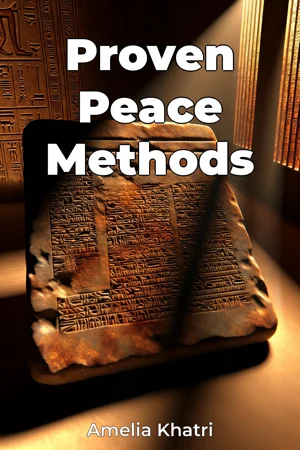
"Proven Peace Methods" examines how ancient diplomatic frameworks continue to influence modern international relations, opening with the groundbreaking Treaty of Kadesh (1259 BCE), history's earliest known peace treaty, which established principles still relevant in contemporary peace negotiations. The book systematically analyzes three core elements of successful peace-building: formal treaty structures, implementation mechanisms, and cultural diplomacy. Drawing from extensive diplomatic archives and archaeological evidence, it demonstrates how early civilizations developed sophisticated methods for maintaining regional stability and preventing conflict escalation. The first section focuses on the Treaty of Kadesh between the Egyptian and Hittite empires, using recently translated clay tablets to reveal the complex negotiation processes and mutual security guarantees that formed the foundation of ancient international law. This treaty's provisions for military alliance, extradition procedures, and trade regulations served as templates for subsequent diplomatic agreements throughout history. Central to the book's argument is that successful peace treaties share common structural elements regardless of historical period or cultural context. The author presents comparative analyses of diplomatic documents spanning three millennia, identifying recurring patterns in conflict resolution strategies and governance frameworks. The work is organized into three major sections: historical precedents, structural analysis, and modern applications. Each chapter includes primary source material, including translated treaty texts, diplomatic correspondence, and administrative records, supported by archaeological evidence and historical accounts. The research draws from multiple disciplines, including diplomatic history, international relations theory, and anthropology. The methodology combines traditional historical analysis with modern diplomatic theory, creating a unique framework for understanding how ancient peace processes inform contemporary international relations. The book makes significant connections between archaeological findings, linguistic analysis, and political science, offering insights into both historical and modern peace-building efforts. Written in an academic yet accessible style, the text provides detailed context for general readers while maintaining scholarly rigor. Technical terms are clearly defined, and complex diplomatic concepts are explained through practical examples and case studies. The target audience includes diplomats, political scientists, historians, and students of international relations. The book serves as both a theoretical framework for understanding peace processes and a practical guide for modern negotiators and policymakers. Particular attention is paid to the role of cultural intermediaries in successful negotiations, examining how ancient diplomats navigated linguistic and cultural barriers. This analysis is especially relevant for modern multinational peace initiatives and cross-cultural diplomatic efforts. The work addresses ongoing debates about the effectiveness of multilateral treaties versus bilateral agreements, using historical evidence to evaluate different approaches to international cooperation. It challenges several traditional assumptions about ancient diplomatic capabilities while acknowledging the limitations of historical records and archaeological evidence. Real-world applications include specific protocols for treaty design, implementation strategies, and methods for building lasting diplomatic relationships. The book provides practical tools for modern negotiators while maintaining academic objectivity in its historical analysis. The scope encompasses major documented peace treaties from the Bronze Age through the classical period, with particular focus on the Mediterranean and Near Eastern regions. While comprehensive in its historical coverage, the book acknowledges gaps in the archaeological record and areas requiring further research. Throughout, the work maintains a balanced perspective on both successful and failed peace initiatives, analyzing factors that contributed to their outcomes and drawing lessons applicable to modern diplomatic challenges.
"Proven Peace Methods" examines how ancient diplomatic frameworks continue to influence modern international relations, opening with the groundbreaking Treaty of Kadesh (1259 BCE), history's earliest known peace treaty, which established principles still relevant in contemporary peace negotiations. The book systematically analyzes three core elements of successful peace-building: formal treaty structures, implementation mechanisms, and cultural diplomacy. Drawing from extensive diplomatic archives and archaeological evidence, it demonstrates how early civilizations developed sophisticated methods for maintaining regional stability and preventing conflict escalation. The first section focuses on the Treaty of Kadesh between the Egyptian and Hittite empires, using recently translated clay tablets to reveal the complex negotiation processes and mutual security guarantees that formed the foundation of ancient international law. This treaty's provisions for military alliance, extradition procedures, and trade regulations served as templates for subsequent diplomatic agreements throughout history. Central to the book's argument is that successful peace treaties share common structural elements regardless of historical period or cultural context. The author presents comparative analyses of diplomatic documents spanning three millennia, identifying recurring patterns in conflict resolution strategies and governance frameworks. The work is organized into three major sections: historical precedents, structural analysis, and modern applications. Each chapter includes primary source material, including translated treaty texts, diplomatic correspondence, and administrative records, supported by archaeological evidence and historical accounts. The research draws from multiple disciplines, including diplomatic history, international relations theory, and anthropology. The methodology combines traditional historical analysis with modern diplomatic theory, creating a unique framework for understanding how ancient peace processes inform contemporary international relations. The book makes significant connections between archaeological findings, linguistic analysis, and political science, offering insights into both historical and modern peace-building efforts. Written in an academic yet accessible style, the text provides detailed context for general readers while maintaining scholarly rigor. Technical terms are clearly defined, and complex diplomatic concepts are explained through practical examples and case studies. The target audience includes diplomats, political scientists, historians, and students of international relations. The book serves as both a theoretical framework for understanding peace processes and a practical guide for modern negotiators and policymakers. Particular attention is paid to the role of cultural intermediaries in successful negotiations, examining how ancient diplomats navigated linguistic and cultural barriers. This analysis is especially relevant for modern multinational peace initiatives and cross-cultural diplomatic efforts. The work addresses ongoing debates about the effectiveness of multilateral treaties versus bilateral agreements, using historical evidence to evaluate different approaches to international cooperation. It challenges several traditional assumptions about ancient diplomatic capabilities while acknowledging the limitations of historical records and archaeological evidence. Real-world applications include specific protocols for treaty design, implementation strategies, and methods for building lasting diplomatic relationships. The book provides practical tools for modern negotiators while maintaining academic objectivity in its historical analysis. The scope encompasses major documented peace treaties from the Bronze Age through the classical period, with particular focus on the Mediterranean and Near Eastern regions. While comprehensive in its historical coverage, the book acknowledges gaps in the archaeological record and areas requiring further research. Throughout, the work maintains a balanced perspective on both successful and failed peace initiatives, analyzing factors that contributed to their outcomes and drawing lessons applicable to modern diplomatic challenges.
"Proven Peace Methods" offers a groundbreaking exploration of how ancient diplomatic practices continue to shape modern international relations, centering on the remarkable Treaty of Kadesh from 1259 BCE. This comprehensive analysis reveals how early civilizations developed sophisticated approaches to maintaining peace and stability, demonstrating that successful conflict resolution strategies share fundamental elements across time and cultures. The book meticulously examines three crucial components of effective peace-building: formal treaty structures, implementation mechanisms, and cultural diplomacy. Through careful analysis of archaeological evidence and diplomatic archives, including newly translated clay tablets, readers discover how the Egyptian-Hittite peace treaty established groundbreaking principles for military alliances, extradition procedures, and trade regulations that would influence diplomatic agreements for millennia to come. Organized into sections covering historical precedents, structural analysis, and modern applications, the book bridges ancient wisdom with contemporary diplomatic challenges. It presents a unique combination of traditional historical analysis and modern diplomatic theory, making complex concepts accessible through practical examples and case studies. For diplomats, scholars, and students of international relations, this work offers both theoretical insights and practical tools for understanding and implementing successful peace negotiations, demonstrating how lessons from ancient civilizations remain remarkably relevant in today's global diplomatic landscape.
Book Details
ISBN
9788233951399
Publisher
Publifye AS
Your Licenses
You don't own any licenses for this book
Purchase a license below to unlock this book and download the EPUB.
Purchase License
Select a tier to unlock this book
Need bulk licensing?
Contact us for enterprise agreements.