
About This Book
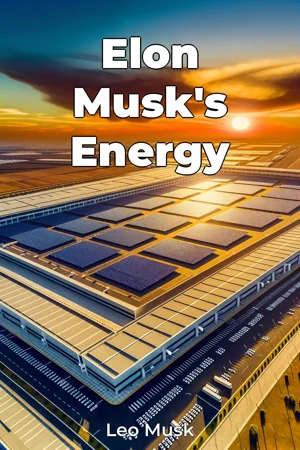
"Elon Musk's Energy" examines how one entrepreneur's vision reshaped the sustainable energy landscape through technological innovation and market disruption. The book analyzes Tesla's evolution from an electric vehicle startup to a comprehensive energy company, while exploring the broader implications for global energy transformation. The narrative follows three primary threads: Tesla's development of mass-market electric vehicles, the company's expansion into energy storage systems, and the integration of sustainable energy solutions across transportation and power sectors. These interconnected stories demonstrate how technological advancement, market strategy, and environmental imperatives converge in modern energy transformation. The book provides context through a detailed examination of the energy industry's historical resistance to change, the technical challenges of electric vehicle development, and the complex interplay between energy storage, grid infrastructure, and renewable power generation. Readers gain insight into the fundamental principles of battery technology, solar power systems, and grid-scale energy management. Central to the book's thesis is the argument that sustainable energy adoption requires simultaneous innovation in multiple sectors, from manufacturing to infrastructure development. The text demonstrates how Tesla's integrated approach to energy solutions—combining vehicle electrification, battery production, and solar technology—creates a viable pathway for widespread renewable energy adoption. The content progresses through several key phases: First, it details the technical and business challenges of scaling electric vehicle production. Second, it explores the development of the Gigafactory concept and its role in reducing battery costs. Third, it analyzes Tesla's expansion into residential and utility-scale energy storage. Each section includes data-driven analysis of market impacts, technological breakthroughs, and implementation challenges. Supporting evidence draws from Tesla's financial reports, patent filings, technical documentation, and industry analysis. The book incorporates research from energy policy institutes, climate science organizations, and market analysts to provide comprehensive context for Tesla's strategic decisions and their broader implications. The work connects multiple disciplines, including engineering, economics, and environmental science, while examining how advances in materials science and manufacturing processes enable new energy solutions. It also explores the intersection of public policy, market forces, and technological innovation in driving energy transition. Written in a analytical style that balances technical detail with accessible explanations, the book serves both industry professionals and informed general readers interested in energy technology and business strategy. It maintains objectivity while examining both successes and setbacks in Tesla's journey. The target audience includes business professionals, technology enthusiasts, energy sector specialists, and readers interested in sustainable technology implementation. The book provides practical insights for industry professionals while remaining accessible to general readers with basic technical knowledge. The scope encompasses the period from Tesla's founding through present developments, focusing primarily on energy-related initiatives rather than autonomous driving or other auxiliary technologies. It addresses ongoing debates about the viability of different renewable energy strategies and the role of private industry in energy transition. Real-world applications include insights for business strategy in emerging technologies, practical understanding of renewable energy systems, and frameworks for evaluating energy storage solutions. The book addresses current controversies surrounding grid reliability, battery recycling, and the environmental impact of electric vehicle production. Throughout, the focus remains on factual analysis and practical implications rather than personality-driven narrative, providing readers with actionable insights into the technological and business aspects of sustainable energy development.
"Elon Musk's Energy" examines how one entrepreneur's vision reshaped the sustainable energy landscape through technological innovation and market disruption. The book analyzes Tesla's evolution from an electric vehicle startup to a comprehensive energy company, while exploring the broader implications for global energy transformation. The narrative follows three primary threads: Tesla's development of mass-market electric vehicles, the company's expansion into energy storage systems, and the integration of sustainable energy solutions across transportation and power sectors. These interconnected stories demonstrate how technological advancement, market strategy, and environmental imperatives converge in modern energy transformation. The book provides context through a detailed examination of the energy industry's historical resistance to change, the technical challenges of electric vehicle development, and the complex interplay between energy storage, grid infrastructure, and renewable power generation. Readers gain insight into the fundamental principles of battery technology, solar power systems, and grid-scale energy management. Central to the book's thesis is the argument that sustainable energy adoption requires simultaneous innovation in multiple sectors, from manufacturing to infrastructure development. The text demonstrates how Tesla's integrated approach to energy solutions—combining vehicle electrification, battery production, and solar technology—creates a viable pathway for widespread renewable energy adoption. The content progresses through several key phases: First, it details the technical and business challenges of scaling electric vehicle production. Second, it explores the development of the Gigafactory concept and its role in reducing battery costs. Third, it analyzes Tesla's expansion into residential and utility-scale energy storage. Each section includes data-driven analysis of market impacts, technological breakthroughs, and implementation challenges. Supporting evidence draws from Tesla's financial reports, patent filings, technical documentation, and industry analysis. The book incorporates research from energy policy institutes, climate science organizations, and market analysts to provide comprehensive context for Tesla's strategic decisions and their broader implications. The work connects multiple disciplines, including engineering, economics, and environmental science, while examining how advances in materials science and manufacturing processes enable new energy solutions. It also explores the intersection of public policy, market forces, and technological innovation in driving energy transition. Written in a analytical style that balances technical detail with accessible explanations, the book serves both industry professionals and informed general readers interested in energy technology and business strategy. It maintains objectivity while examining both successes and setbacks in Tesla's journey. The target audience includes business professionals, technology enthusiasts, energy sector specialists, and readers interested in sustainable technology implementation. The book provides practical insights for industry professionals while remaining accessible to general readers with basic technical knowledge. The scope encompasses the period from Tesla's founding through present developments, focusing primarily on energy-related initiatives rather than autonomous driving or other auxiliary technologies. It addresses ongoing debates about the viability of different renewable energy strategies and the role of private industry in energy transition. Real-world applications include insights for business strategy in emerging technologies, practical understanding of renewable energy systems, and frameworks for evaluating energy storage solutions. The book addresses current controversies surrounding grid reliability, battery recycling, and the environmental impact of electric vehicle production. Throughout, the focus remains on factual analysis and practical implications rather than personality-driven narrative, providing readers with actionable insights into the technological and business aspects of sustainable energy development.
"Elon Musk's Energy" offers a comprehensive exploration of how Tesla transformed from an electric vehicle startup into a revolutionary force in sustainable energy. The book meticulously traces Tesla's three-pronged approach to energy transformation: mass-market electric vehicles, advanced energy storage systems, and integrated sustainable energy solutions. Through detailed analysis, it reveals how technological innovation and market disruption can work together to overcome traditional industry resistance and technical challenges. The narrative expertly weaves together the complex relationships between battery technology, solar power systems, and grid infrastructure, demonstrating how simultaneous innovation across multiple sectors is crucial for sustainable energy adoption. One of the book's most compelling insights is its examination of the Gigafactory concept, showing how large-scale battery production became key to reducing costs and making electric vehicles more accessible. Additionally, it provides fascinating details about the technical evolution of Tesla's energy storage solutions and their impact on both residential and utility-scale applications. Moving from technical challenges to practical implementation, the book progresses through essential phases of Tesla's energy journey, backed by data from financial reports, patent filings, and industry analysis. What sets this work apart is its balanced approach to technical and business aspects, making complex energy concepts accessible while maintaining analytical depth. Whether exploring battery technology breakthroughs or examining grid-scale energy management, the book serves both industry professionals and informed general readers with its clear, comprehensive analysis of sustainable energy's future.
Book Details
ISBN
9788233950873
Publisher
Publifye AS
Your Licenses
You don't own any licenses for this book
Purchase a license below to unlock this book and download the EPUB.
Purchase License
Select a tier to unlock this book
Need bulk licensing?
Contact us for enterprise agreements.