
About This Book
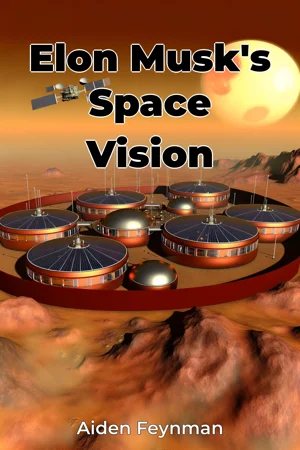
"Elon Musk's Space Vision" examines the technical, logistical, and scientific foundations of humanity's potential migration to Mars, centered on SpaceX's developments in reusable rocket technology and interplanetary transport systems. The book presents a detailed analysis of the challenges and solutions involved in establishing the first permanent human settlement on Mars by 2050. The narrative begins with SpaceX's evolution from a startup to a leading space technology company, documenting the development of the Falcon series rockets and their impact on reducing space launch costs. Through extensive research and interviews with SpaceX engineers, the book reveals the technical breakthroughs that transformed theoretical concepts into practical space transportation systems. Three core themes structure the book's analysis: advanced propulsion systems and spacecraft design, sustainable Mars habitat development, and the economic framework required for interplanetary colonization. The text examines the Starship spacecraft's engineering specifications, including its revolutionary heat shield technology and in-orbit refueling capabilities. It details the planned Mars transport infrastructure, from initial cargo missions to human-rated vessels capable of supporting long-duration spaceflight. The book draws from NASA archives, SpaceX technical documents, and interviews with aerospace experts to present a comprehensive assessment of Mars colonization challenges. It addresses radiation protection, resource utilization, and psychological factors affecting long-term space habitation. The research incorporates data from Mars simulation projects and current International Space Station operations to validate proposed solutions. Interdisciplinary connections link aerospace engineering with materials science, showing how innovations in carbon fiber composites and metallic alloys enable spacecraft reliability. The text explores connections between space agriculture and terrestrial vertical farming techniques, demonstrating how Earth-based technologies adapt to Martian conditions. The writing maintains a technical yet accessible tone, utilizing diagrams, technical specifications, and case studies to illustrate complex concepts. While aimed primarily at readers with basic scientific literacy, the book provides sufficient background information for general audiences to grasp key concepts. Practical applications extend beyond space exploration, highlighting how technologies developed for Mars missions benefit terrestrial industries. The book examines spin-off innovations in solar power, water purification, and sustainable agriculture that address Earth's environmental challenges. The text addresses ongoing debates within the space industry regarding the feasibility of Mars colonization timelines and the role of private companies in space exploration. It presents contrasting viewpoints from government space agencies and private sector leaders about mission priorities and resource allocation. Current limitations in life support systems, radiation shielding, and in-situ resource utilization receive objective analysis. The book acknowledges these challenges while presenting potential solutions based on emerging technologies and research programs. The scope encompasses the period from SpaceX's founding through projected Mars mission milestones in the 2050s, focusing on technical and logistical aspects rather than speculative scenarios. Each chapter builds toward a detailed roadmap for establishing and maintaining a self-sustaining Mars colony, including infrastructure requirements, resource management, and expansion strategies. The book serves as a comprehensive reference for aerospace professionals, engineering students, and technology enthusiasts seeking to understand the practical requirements of Mars colonization. It provides valuable insights into the integration of multiple scientific disciplines required to achieve sustainable human presence on another planet.
"Elon Musk's Space Vision" examines the technical, logistical, and scientific foundations of humanity's potential migration to Mars, centered on SpaceX's developments in reusable rocket technology and interplanetary transport systems. The book presents a detailed analysis of the challenges and solutions involved in establishing the first permanent human settlement on Mars by 2050. The narrative begins with SpaceX's evolution from a startup to a leading space technology company, documenting the development of the Falcon series rockets and their impact on reducing space launch costs. Through extensive research and interviews with SpaceX engineers, the book reveals the technical breakthroughs that transformed theoretical concepts into practical space transportation systems. Three core themes structure the book's analysis: advanced propulsion systems and spacecraft design, sustainable Mars habitat development, and the economic framework required for interplanetary colonization. The text examines the Starship spacecraft's engineering specifications, including its revolutionary heat shield technology and in-orbit refueling capabilities. It details the planned Mars transport infrastructure, from initial cargo missions to human-rated vessels capable of supporting long-duration spaceflight. The book draws from NASA archives, SpaceX technical documents, and interviews with aerospace experts to present a comprehensive assessment of Mars colonization challenges. It addresses radiation protection, resource utilization, and psychological factors affecting long-term space habitation. The research incorporates data from Mars simulation projects and current International Space Station operations to validate proposed solutions. Interdisciplinary connections link aerospace engineering with materials science, showing how innovations in carbon fiber composites and metallic alloys enable spacecraft reliability. The text explores connections between space agriculture and terrestrial vertical farming techniques, demonstrating how Earth-based technologies adapt to Martian conditions. The writing maintains a technical yet accessible tone, utilizing diagrams, technical specifications, and case studies to illustrate complex concepts. While aimed primarily at readers with basic scientific literacy, the book provides sufficient background information for general audiences to grasp key concepts. Practical applications extend beyond space exploration, highlighting how technologies developed for Mars missions benefit terrestrial industries. The book examines spin-off innovations in solar power, water purification, and sustainable agriculture that address Earth's environmental challenges. The text addresses ongoing debates within the space industry regarding the feasibility of Mars colonization timelines and the role of private companies in space exploration. It presents contrasting viewpoints from government space agencies and private sector leaders about mission priorities and resource allocation. Current limitations in life support systems, radiation shielding, and in-situ resource utilization receive objective analysis. The book acknowledges these challenges while presenting potential solutions based on emerging technologies and research programs. The scope encompasses the period from SpaceX's founding through projected Mars mission milestones in the 2050s, focusing on technical and logistical aspects rather than speculative scenarios. Each chapter builds toward a detailed roadmap for establishing and maintaining a self-sustaining Mars colony, including infrastructure requirements, resource management, and expansion strategies. The book serves as a comprehensive reference for aerospace professionals, engineering students, and technology enthusiasts seeking to understand the practical requirements of Mars colonization. It provides valuable insights into the integration of multiple scientific disciplines required to achieve sustainable human presence on another planet.
"Elon Musk's Space Vision" offers a comprehensive exploration of humanity's potential journey to establish a permanent settlement on Mars, focusing on SpaceX's groundbreaking developments in reusable rocket technology and interplanetary transport systems. The book meticulously examines the technical and logistical challenges of Mars colonization, from advanced propulsion systems to sustainable habitat development, all while maintaining a clear focus on achieving this ambitious goal by 2050. Through extensive research including NASA archives, SpaceX technical documents, and interviews with aerospace experts, the book presents complex engineering concepts in an accessible manner. The narrative progresses from SpaceX's humble beginnings to its current status as a space industry leader, documenting crucial developments like the Falcon rocket series and the revolutionary Starship spacecraft. Readers gain insight into specific technical breakthroughs, such as innovative heat shield technology and in-orbit refueling capabilities, that make interplanetary travel more feasible. The book also explores practical considerations often overlooked in space exploration discussions, including radiation protection, resource utilization, and the psychological factors affecting long-term space habitation. What sets this work apart is its interdisciplinary approach, connecting aerospace engineering with materials science, agriculture, and sustainable technology development. While maintaining technical accuracy, the book uses diagrams, specifications, and case studies to illustrate complex concepts for readers with varying levels of scientific knowledge. It presents a realistic assessment of both the challenges and opportunities in Mars colonization, making it an invaluable resource for aerospace professionals, engineering students, and technology enthusiasts alike.
Book Details
ISBN
9788233950606
Publisher
Publifye AS
Your Licenses
You don't own any licenses for this book
Purchase a license below to unlock this book and download the EPUB.
Purchase License
Select a tier to unlock this book
Need bulk licensing?
Contact us for enterprise agreements.