
About This Book
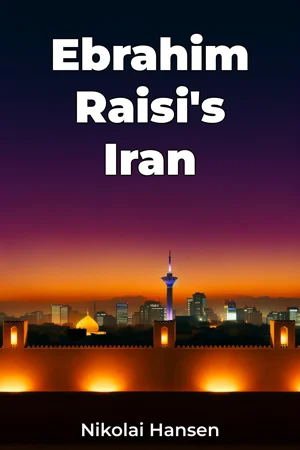
"Ebrahim Raisi's Iran" examines the profound transformation of Iranian domestic and foreign policy under the leadership of its eighth president, offering readers a detailed analysis of how this shift impacts global geopolitics and regional stability in the Middle East. The book systematically explores three core themes: Raisi's consolidation of power within Iran's complex political system, his economic vision amid international sanctions, and Iran's evolving diplomatic strategy in an increasingly multipolar world. These intersecting narratives reveal how Iran's domestic governance directly influences its international relations and strategic positioning. Drawing from diplomatic cables, policy documents, and interviews with regional experts, the work provides essential context about Iran's political structure, including the relationship between elected officials and the Supreme Leader. This foundation helps readers understand the constraints and opportunities that shape Raisi's decision-making process. The central argument posits that Raisi's presidency represents a pivotal shift in Iran's approach to both internal governance and international relations, marking a departure from the moderate policies of his predecessors toward a more assertive stance aligned with revolutionary principles. The book's structure progresses through several key phases: First, it analyzes Raisi's rise to power and his political background. Second, it examines his economic policies, particularly regarding sanctions resistance and regional trade partnerships. Finally, it explores Iran's diplomatic initiatives under his leadership, including relations with China, Russia, and Western powers. Supporting evidence comes from extensive primary sources, including government documents, economic data, and diplomatic correspondence. The analysis incorporates perspectives from Iranian policy makers, international observers, and economic analysts to provide a comprehensive view of policy impacts. The work connects political science, economics, and international relations, demonstrating how these disciplines interact in shaping Iran's trajectory. It particularly emphasizes the intersection of religious authority with modern governance systems and economic policy. The book employs a scholarly yet accessible approach, utilizing clear language and structured analysis to make complex political concepts understandable to general readers while maintaining academic rigor. It addresses both immediate policy implications and longer-term strategic considerations. Written for policy makers, analysts, and informed readers interested in Middle Eastern politics and international relations, this work provides practical insights for understanding and engaging with contemporary Iran. It maintains objectivity while examining controversial aspects of Iranian governance and international relations. The analysis acknowledges both the scope and limitations of available information about Iran's internal decision-making processes, clearly stating when conclusions are drawn from limited data. It addresses ongoing debates about Iran's nuclear program, human rights record, and regional military involvement without taking partisan positions. This work is particularly relevant for readers seeking to understand how Iran's domestic and foreign policies affect global energy markets, regional security arrangements, and international diplomatic initiatives. It provides context for current events while analyzing longer-term trends and potential future developments. The book maintains a balanced perspective, examining both criticism and support for Raisi's policies while focusing on verifiable facts and documented outcomes. It avoids sensationalism while addressing significant policy shifts and their implications for international relations.
"Ebrahim Raisi's Iran" examines the profound transformation of Iranian domestic and foreign policy under the leadership of its eighth president, offering readers a detailed analysis of how this shift impacts global geopolitics and regional stability in the Middle East. The book systematically explores three core themes: Raisi's consolidation of power within Iran's complex political system, his economic vision amid international sanctions, and Iran's evolving diplomatic strategy in an increasingly multipolar world. These intersecting narratives reveal how Iran's domestic governance directly influences its international relations and strategic positioning. Drawing from diplomatic cables, policy documents, and interviews with regional experts, the work provides essential context about Iran's political structure, including the relationship between elected officials and the Supreme Leader. This foundation helps readers understand the constraints and opportunities that shape Raisi's decision-making process. The central argument posits that Raisi's presidency represents a pivotal shift in Iran's approach to both internal governance and international relations, marking a departure from the moderate policies of his predecessors toward a more assertive stance aligned with revolutionary principles. The book's structure progresses through several key phases: First, it analyzes Raisi's rise to power and his political background. Second, it examines his economic policies, particularly regarding sanctions resistance and regional trade partnerships. Finally, it explores Iran's diplomatic initiatives under his leadership, including relations with China, Russia, and Western powers. Supporting evidence comes from extensive primary sources, including government documents, economic data, and diplomatic correspondence. The analysis incorporates perspectives from Iranian policy makers, international observers, and economic analysts to provide a comprehensive view of policy impacts. The work connects political science, economics, and international relations, demonstrating how these disciplines interact in shaping Iran's trajectory. It particularly emphasizes the intersection of religious authority with modern governance systems and economic policy. The book employs a scholarly yet accessible approach, utilizing clear language and structured analysis to make complex political concepts understandable to general readers while maintaining academic rigor. It addresses both immediate policy implications and longer-term strategic considerations. Written for policy makers, analysts, and informed readers interested in Middle Eastern politics and international relations, this work provides practical insights for understanding and engaging with contemporary Iran. It maintains objectivity while examining controversial aspects of Iranian governance and international relations. The analysis acknowledges both the scope and limitations of available information about Iran's internal decision-making processes, clearly stating when conclusions are drawn from limited data. It addresses ongoing debates about Iran's nuclear program, human rights record, and regional military involvement without taking partisan positions. This work is particularly relevant for readers seeking to understand how Iran's domestic and foreign policies affect global energy markets, regional security arrangements, and international diplomatic initiatives. It provides context for current events while analyzing longer-term trends and potential future developments. The book maintains a balanced perspective, examining both criticism and support for Raisi's policies while focusing on verifiable facts and documented outcomes. It avoids sensationalism while addressing significant policy shifts and their implications for international relations.
"Ebrahim Raisi's Iran" offers a comprehensive analysis of Iran's dramatic political transformation under its eighth president, examining how his leadership marks a significant shift from moderate policies to a more assertive stance aligned with revolutionary principles. The book meticulously explores three interconnected themes: Raisi's power consolidation within Iran's complex political system, his economic vision amid international sanctions, and Iran's evolving diplomatic strategy in an increasingly multipolar world. Drawing from diplomatic cables, policy documents, and expert interviews, the book provides unprecedented insights into Iran's political structure and decision-making processes. Particularly noteworthy is its examination of Iran's strategic pivot toward stronger relationships with China and Russia, while managing Western tensions over its nuclear program and sanctions resistance. The analysis demonstrates how Raisi's domestic governance directly influences Iran's international relations and regional stability in the Middle East. The book progresses logically from Raisi's rise to power through his economic policies and diplomatic initiatives, maintaining scholarly rigor while remaining accessible to general readers interested in Middle Eastern politics and international relations. By connecting political science, economics, and international relations, it offers a unique perspective on how religious authority intersects with modern governance systems and economic policy, making it an invaluable resource for policy makers, analysts, and informed readers seeking to understand contemporary Iran's role in global geopolitics.
Book Details
ISBN
9788233950507
Publisher
Publifye AS
Your Licenses
You don't own any licenses for this book
Purchase a license below to unlock this book and download the EPUB.
Purchase License
Select a tier to unlock this book
Need bulk licensing?
Contact us for enterprise agreements.