
About This Book
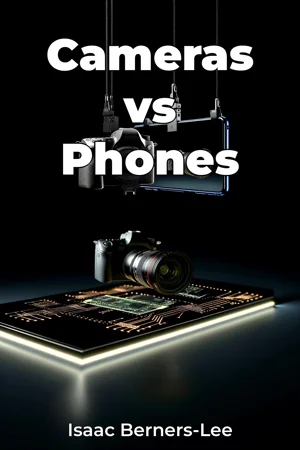
"Cameras vs Phones" examines the evolving landscape of modern photography, where traditional digital cameras and smartphones increasingly overlap in capabilities while maintaining distinct advantages in specific scenarios. The book provides a detailed analysis of how these technologies shape contemporary image-making practices. The text begins by addressing the fundamental shift in photography since smartphones became the primary imaging device for most people. It traces the parallel development of digital camera technology and mobile phone cameras, explaining how each has influenced the other's evolution and the overall democratization of photography. Three main sections form the core of the book. The first explores the technical capabilities of both platforms, including sensor sizes, lens systems, computational photography, and image processing. The second section analyzes real-world applications, examining where each device excels: digital cameras in professional settings, controlled lighting, and specialized photography; smartphones in spontaneous capture, social sharing, and accessibility. The final section looks toward future developments and the potential convergence or divergence of these technologies. The book's central thesis argues that rather than one technology replacing the other, we are entering an era of specialized use cases where both platforms serve distinct purposes in the photographic ecosystem. This position is supported by extensive technical data, professional photographer interviews, and market research from major camera manufacturers and smartphone companies. Research presented includes comparative image quality studies, user behavior analysis, and industry sales data from 2010-2023. The text incorporates findings from professional photography organizations, technical imaging laboratories, and contemporary photographers who use both platforms professionally. Interdisciplinary connections link to computer science through computational photography, social psychology in examining how different cameras affect human behavior and interaction, and business studies in analyzing market trends and consumer choices. The book maintains an objective, analytical tone while remaining accessible to both photography enthusiasts and technical readers. It avoids taking sides in the "cameras versus phones" debate, instead providing evidence-based analysis of each platform's strengths and limitations. Target readers include photography enthusiasts, professional photographers adapting to changing technology, and technology professionals interested in imaging systems. The content serves both as a practical guide for choosing tools for specific photographic needs and as an analysis of current imaging technology trends. Practical applications include detailed guidance on when to use each platform, techniques for maximizing their respective capabilities, and workflows for integrating both tools effectively. The text addresses common misconceptions about both technologies while providing evidence-based recommendations for various photographic scenarios. The scope encompasses current consumer and prosumer photography equipment, with intentional focus on technologies available to most users rather than specialized industrial or scientific imaging systems. The book acknowledges ongoing debates about the future of dedicated cameras and the role of computational photography in modern image-making. Real-world applications are emphasized throughout, with specific examples from photojournalism, wedding photography, street photography, and social media content creation. The text includes case studies of professional photographers who have successfully integrated both platforms into their workflow, providing concrete examples of hybrid approaches to modern photography.
"Cameras vs Phones" examines the evolving landscape of modern photography, where traditional digital cameras and smartphones increasingly overlap in capabilities while maintaining distinct advantages in specific scenarios. The book provides a detailed analysis of how these technologies shape contemporary image-making practices. The text begins by addressing the fundamental shift in photography since smartphones became the primary imaging device for most people. It traces the parallel development of digital camera technology and mobile phone cameras, explaining how each has influenced the other's evolution and the overall democratization of photography. Three main sections form the core of the book. The first explores the technical capabilities of both platforms, including sensor sizes, lens systems, computational photography, and image processing. The second section analyzes real-world applications, examining where each device excels: digital cameras in professional settings, controlled lighting, and specialized photography; smartphones in spontaneous capture, social sharing, and accessibility. The final section looks toward future developments and the potential convergence or divergence of these technologies. The book's central thesis argues that rather than one technology replacing the other, we are entering an era of specialized use cases where both platforms serve distinct purposes in the photographic ecosystem. This position is supported by extensive technical data, professional photographer interviews, and market research from major camera manufacturers and smartphone companies. Research presented includes comparative image quality studies, user behavior analysis, and industry sales data from 2010-2023. The text incorporates findings from professional photography organizations, technical imaging laboratories, and contemporary photographers who use both platforms professionally. Interdisciplinary connections link to computer science through computational photography, social psychology in examining how different cameras affect human behavior and interaction, and business studies in analyzing market trends and consumer choices. The book maintains an objective, analytical tone while remaining accessible to both photography enthusiasts and technical readers. It avoids taking sides in the "cameras versus phones" debate, instead providing evidence-based analysis of each platform's strengths and limitations. Target readers include photography enthusiasts, professional photographers adapting to changing technology, and technology professionals interested in imaging systems. The content serves both as a practical guide for choosing tools for specific photographic needs and as an analysis of current imaging technology trends. Practical applications include detailed guidance on when to use each platform, techniques for maximizing their respective capabilities, and workflows for integrating both tools effectively. The text addresses common misconceptions about both technologies while providing evidence-based recommendations for various photographic scenarios. The scope encompasses current consumer and prosumer photography equipment, with intentional focus on technologies available to most users rather than specialized industrial or scientific imaging systems. The book acknowledges ongoing debates about the future of dedicated cameras and the role of computational photography in modern image-making. Real-world applications are emphasized throughout, with specific examples from photojournalism, wedding photography, street photography, and social media content creation. The text includes case studies of professional photographers who have successfully integrated both platforms into their workflow, providing concrete examples of hybrid approaches to modern photography.
"Cameras vs Phones" offers a comprehensive exploration of the dynamic relationship between traditional digital cameras and smartphone photography in our modern era. The book delves into how these two technologies have evolved in parallel, each influencing the other's development while serving distinct purposes in contemporary image-making. Through detailed analysis and real-world examples, it demonstrates how both platforms continue to shape the democratization of photography while maintaining their unique advantages in specific scenarios. The text progresses methodically through three main sections, beginning with a thorough examination of technical capabilities, including sensor technologies and computational photography. It then moves into practical applications, highlighting how digital cameras excel in professional settings and controlled environments, while smartphones dominate in spontaneous capture and social sharing. Drawing from extensive research spanning 2010-2023, including professional photographer interviews and market data, the book provides evidence-based insights into the strengths and limitations of each platform. What makes this book particularly valuable is its objective, analytical approach to addressing the often-contentious debate between traditional cameras and smartphones. Rather than advocating for one platform over the other, it presents practical guidance for photographers of all levels to maximize both technologies' potential. Through case studies and real-world applications in various photography genres, from photojournalism to social media content creation, readers gain a clear understanding of how to effectively integrate both tools into their photographic practice.
Book Details
ISBN
9788233950262
Publisher
Publifye AS
Your Licenses
You don't own any licenses for this book
Purchase a license below to unlock this book and download the EPUB.
Purchase License
Select a tier to unlock this book
Need bulk licensing?
Contact us for enterprise agreements.