
About This Book
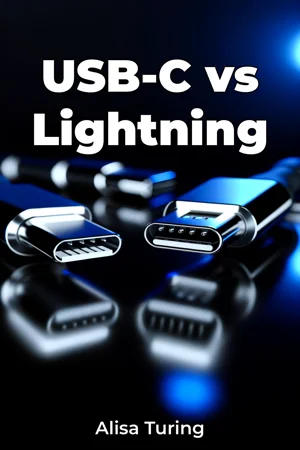
"USB-C vs Lightning: Understanding the Future of Digital Connectivity" presents a detailed technical analysis of two dominant connector standards that shape how we interact with modern devices. The book opens with a critical question: As digital devices become central to daily life, how do connector choices impact user experience, device functionality, and future technological advancement? The work systematically examines three core areas: technical specifications, market adoption patterns, and future implications. It begins with a comprehensive breakdown of USB-C and Lightning connectors' physical and electrical characteristics, followed by real-world performance comparisons and compatibility analyses. Providing essential context, the book traces the evolution of device connectivity from the original USB standard through proprietary connectors to current options. This historical perspective helps readers understand how market forces, technical requirements, and user needs have shaped connector development. The central thesis argues that connector choice significantly influences device ecosystem development, user experience, and industry innovation. This argument is supported by extensive technical documentation, market research, and case studies from major device manufacturers. The content is structured in three main sections: Technical Foundations, Market Impact, and Future Implications. The Technical Foundations section details power delivery capabilities, data transfer speeds, and physical durability. Market Impact examines adoption rates, manufacturing costs, and ecosystem development. Future Implications explores emerging technologies, industry standards, and potential convergence scenarios. Research evidence includes laboratory testing data, industry specifications, market analysis reports, and documentation from standards organizations. The book incorporates findings from electrical engineering studies, consumer behavior research, and industry trend analyses. The work connects to multiple disciplines, including electrical engineering, industrial design, and business strategy. These intersections provide readers with a comprehensive understanding of how connector standards influence product development, market dynamics, and user behavior. The book's unique approach lies in its vendor-neutral analysis, presenting objective comparisons based on measurable parameters rather than brand preferences. The writing style maintains technical accuracy while remaining accessible to readers with basic technical knowledge. Target readers include technology professionals, product designers, and informed consumers seeking to understand the technical and practical implications of connector choices. The content is particularly relevant for those involved in product development, IT procurement, or technical decision-making. The scope encompasses current connector specifications, market dynamics, and near-future developments, while acknowledging that rapid technological change may affect long-term projections. The book addresses practical considerations such as device compatibility, charging capabilities, and data transfer requirements. Real-world applications include guidance for device selection, infrastructure planning, and future-proofing technology investments. The work also examines ongoing debates regarding universal standards, proprietary technologies, and environmental impact of connector proliferation. Through detailed analysis and evidence-based comparisons, this book provides readers with the knowledge needed to understand and evaluate connector technologies in an increasingly connected world. It serves as both a technical reference and a strategic guide for navigating the evolving landscape of device connectivity.
"USB-C vs Lightning: Understanding the Future of Digital Connectivity" presents a detailed technical analysis of two dominant connector standards that shape how we interact with modern devices. The book opens with a critical question: As digital devices become central to daily life, how do connector choices impact user experience, device functionality, and future technological advancement? The work systematically examines three core areas: technical specifications, market adoption patterns, and future implications. It begins with a comprehensive breakdown of USB-C and Lightning connectors' physical and electrical characteristics, followed by real-world performance comparisons and compatibility analyses. Providing essential context, the book traces the evolution of device connectivity from the original USB standard through proprietary connectors to current options. This historical perspective helps readers understand how market forces, technical requirements, and user needs have shaped connector development. The central thesis argues that connector choice significantly influences device ecosystem development, user experience, and industry innovation. This argument is supported by extensive technical documentation, market research, and case studies from major device manufacturers. The content is structured in three main sections: Technical Foundations, Market Impact, and Future Implications. The Technical Foundations section details power delivery capabilities, data transfer speeds, and physical durability. Market Impact examines adoption rates, manufacturing costs, and ecosystem development. Future Implications explores emerging technologies, industry standards, and potential convergence scenarios. Research evidence includes laboratory testing data, industry specifications, market analysis reports, and documentation from standards organizations. The book incorporates findings from electrical engineering studies, consumer behavior research, and industry trend analyses. The work connects to multiple disciplines, including electrical engineering, industrial design, and business strategy. These intersections provide readers with a comprehensive understanding of how connector standards influence product development, market dynamics, and user behavior. The book's unique approach lies in its vendor-neutral analysis, presenting objective comparisons based on measurable parameters rather than brand preferences. The writing style maintains technical accuracy while remaining accessible to readers with basic technical knowledge. Target readers include technology professionals, product designers, and informed consumers seeking to understand the technical and practical implications of connector choices. The content is particularly relevant for those involved in product development, IT procurement, or technical decision-making. The scope encompasses current connector specifications, market dynamics, and near-future developments, while acknowledging that rapid technological change may affect long-term projections. The book addresses practical considerations such as device compatibility, charging capabilities, and data transfer requirements. Real-world applications include guidance for device selection, infrastructure planning, and future-proofing technology investments. The work also examines ongoing debates regarding universal standards, proprietary technologies, and environmental impact of connector proliferation. Through detailed analysis and evidence-based comparisons, this book provides readers with the knowledge needed to understand and evaluate connector technologies in an increasingly connected world. It serves as both a technical reference and a strategic guide for navigating the evolving landscape of device connectivity.
"USB-C vs Lightning: Understanding the Future of Digital Connectivity" offers a comprehensive exploration of the two dominant connector standards shaping modern device interactions. The book systematically analyzes these technologies through three crucial lenses: technical specifications, market dynamics, and future implications, providing readers with both practical insights and strategic understanding of digital connectivity standards. The book begins with a detailed examination of each connector's physical and electrical characteristics, comparing power delivery capabilities, data transfer speeds, and durability. Historical context traces the evolution from early USB standards to current options, illuminating how market forces and user needs have influenced connector development. Notable technical comparisons reveal the significant differences in charging capabilities and data throughput between USB-C and Lightning connectors, supported by laboratory testing data and industry specifications. Through its vendor-neutral approach, the work stands out by offering objective, measurement-based comparisons rather than brand-centric analyses. The content progresses logically from technical foundations through market impact to future implications, making complex engineering concepts accessible to readers with basic technical knowledge. This structured approach, combined with real-world case studies and practical applications, makes it an invaluable resource for technology professionals, product designers, and informed consumers navigating the evolving landscape of device connectivity.
Book Details
ISBN
9788233950231
Publisher
Publifye AS
Your Licenses
You don't own any licenses for this book
Purchase a license below to unlock this book and download the EPUB.
Purchase License
Select a tier to unlock this book
Need bulk licensing?
Contact us for enterprise agreements.