
About This Book
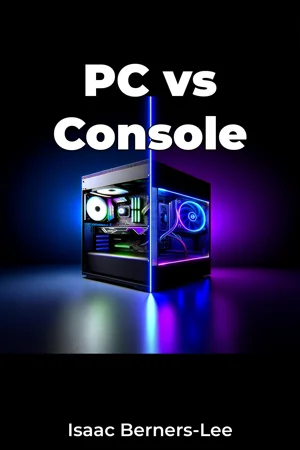
"PC vs Console" delves into the technical, cultural, and economic dynamics that shape modern gaming platforms, offering readers a comprehensive analysis of how these systems cater to distinct gaming preferences and lifestyles. Starting with the fundamental question of why gamers often align themselves exclusively with either PC or console gaming, this book examines the technological and social factors that influence gaming platform choices. The book presents three core areas of comparison: hardware capabilities and customization, gaming economics and accessibility, and community dynamics. Through detailed technical analysis, it explores how PC architecture allows for continuous upgradeability while consoles offer standardized, optimized performance. The economic section evaluates the total cost of ownership, including initial investments, game pricing, and long-term maintenance, providing readers with practical insights for making informed gaming decisions. Drawing from gaming industry data spanning four decades, the book traces the evolution of both platforms from the 1980s to present day. This historical context helps readers understand how technological advancements have shaped current gaming preferences and market dynamics. The analysis incorporates research from gaming industry reports, consumer behavior studies, and technical specifications to support its comparisons. The central thesis argues that the choice between PC and console gaming reflects broader patterns in how individuals interact with technology, rather than simple performance metrics. This perspective is supported by examining how each platform serves different user priorities, from modding communities in PC gaming to the plug-and-play convenience of consoles. The content is structured in four main sections: technical analysis, economic considerations, social aspects, and future trends. Each section provides detailed comparisons backed by current market data and expert insights from game developers, hardware manufacturers, and industry analysts. The book includes case studies of major game releases that demonstrate how different platforms handle identical content. Interdisciplinary connections are made to computer science, consumer psychology, and social anthropology, explaining how gaming platforms influence and reflect broader technological and social trends. The research methodology combines quantitative performance metrics with qualitative user experience studies, offering a balanced analytical approach. The writing maintains an analytical tone while remaining accessible to readers with basic technical knowledge. Technical concepts are explained thoroughly but clearly, making the content accessible to both gaming enthusiasts and technology professionals. This approach makes the book valuable for various readers, from casual gamers making platform decisions to industry professionals seeking comprehensive market analysis. The book addresses several ongoing debates in gaming, including the convergence of gaming platforms, the impact of cloud gaming, and the future of hardware-based gaming. It examines these topics through objective analysis rather than advocating for either platform. For practical application, readers will find detailed guides on platform selection based on specific gaming needs, budget considerations, and technical requirements. The book includes sections on optimizing gaming experiences on both platforms and understanding the trade-offs involved in platform choices. While focusing primarily on mainstream gaming markets in North America, Europe, and Asia, the book acknowledges regional variations in gaming preferences and market penetration. It also considers emerging markets and their potential influence on future gaming platform development. By maintaining objectivity and supporting arguments with concrete data, this book serves as a comprehensive resource for understanding the distinct advantages and limitations of each gaming platform, helping readers make informed decisions about their gaming investments.
"PC vs Console" delves into the technical, cultural, and economic dynamics that shape modern gaming platforms, offering readers a comprehensive analysis of how these systems cater to distinct gaming preferences and lifestyles. Starting with the fundamental question of why gamers often align themselves exclusively with either PC or console gaming, this book examines the technological and social factors that influence gaming platform choices. The book presents three core areas of comparison: hardware capabilities and customization, gaming economics and accessibility, and community dynamics. Through detailed technical analysis, it explores how PC architecture allows for continuous upgradeability while consoles offer standardized, optimized performance. The economic section evaluates the total cost of ownership, including initial investments, game pricing, and long-term maintenance, providing readers with practical insights for making informed gaming decisions. Drawing from gaming industry data spanning four decades, the book traces the evolution of both platforms from the 1980s to present day. This historical context helps readers understand how technological advancements have shaped current gaming preferences and market dynamics. The analysis incorporates research from gaming industry reports, consumer behavior studies, and technical specifications to support its comparisons. The central thesis argues that the choice between PC and console gaming reflects broader patterns in how individuals interact with technology, rather than simple performance metrics. This perspective is supported by examining how each platform serves different user priorities, from modding communities in PC gaming to the plug-and-play convenience of consoles. The content is structured in four main sections: technical analysis, economic considerations, social aspects, and future trends. Each section provides detailed comparisons backed by current market data and expert insights from game developers, hardware manufacturers, and industry analysts. The book includes case studies of major game releases that demonstrate how different platforms handle identical content. Interdisciplinary connections are made to computer science, consumer psychology, and social anthropology, explaining how gaming platforms influence and reflect broader technological and social trends. The research methodology combines quantitative performance metrics with qualitative user experience studies, offering a balanced analytical approach. The writing maintains an analytical tone while remaining accessible to readers with basic technical knowledge. Technical concepts are explained thoroughly but clearly, making the content accessible to both gaming enthusiasts and technology professionals. This approach makes the book valuable for various readers, from casual gamers making platform decisions to industry professionals seeking comprehensive market analysis. The book addresses several ongoing debates in gaming, including the convergence of gaming platforms, the impact of cloud gaming, and the future of hardware-based gaming. It examines these topics through objective analysis rather than advocating for either platform. For practical application, readers will find detailed guides on platform selection based on specific gaming needs, budget considerations, and technical requirements. The book includes sections on optimizing gaming experiences on both platforms and understanding the trade-offs involved in platform choices. While focusing primarily on mainstream gaming markets in North America, Europe, and Asia, the book acknowledges regional variations in gaming preferences and market penetration. It also considers emerging markets and their potential influence on future gaming platform development. By maintaining objectivity and supporting arguments with concrete data, this book serves as a comprehensive resource for understanding the distinct advantages and limitations of each gaming platform, helping readers make informed decisions about their gaming investments.
"PC vs Console" presents a thorough examination of the gaming industry's two dominant platforms, exploring their technical capabilities, economic implications, and cultural impact. The book dissects the age-old debate between PC and console gaming by analyzing three core aspects: hardware flexibility versus standardized performance, total cost of ownership including games and maintenance, and the distinct community cultures that have evolved around each platform. Through extensive research spanning four decades of gaming history, the book reveals fascinating insights about how technological advancements have shaped gaming preferences. For instance, while PCs offer unlimited upgradeability and customization options, consoles provide a streamlined, plug-and-play experience that appeals to different user priorities. The economic analysis delves into hidden costs and long-term value propositions of both platforms, helping readers make informed decisions about their gaming investments. The book progresses logically through four main sections, moving from technical comparisons to economic considerations, social dynamics, and future trends. It maintains an objective stance throughout, supporting arguments with concrete data from industry reports and expert insights from game developers and hardware manufacturers. Rather than advocating for either platform, it demonstrates how the choice between PC and console gaming often reflects broader patterns in how individuals interact with technology, making it an invaluable resource for both gaming enthusiasts and industry professionals.
Book Details
ISBN
9788233950149
Publisher
Publifye AS
Your Licenses
You don't own any licenses for this book
Purchase a license below to unlock this book and download the EPUB.
Purchase License
Select a tier to unlock this book
Need bulk licensing?
Contact us for enterprise agreements.