
About This Book
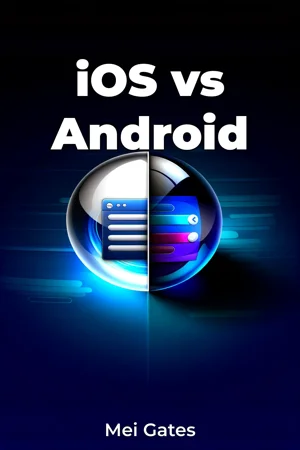
"iOS vs Android" presents a comprehensive analysis of the two dominant mobile operating systems that power over 99% of today's smartphones. The book examines how these platforms shape modern digital interaction and influence consumer technology choices through their distinct approaches to software, hardware integration, and user experience. The text begins by tracing the parallel evolution of iOS and Android from their respective launches in 2007 and 2008, documenting how they grew from simple phone operating systems into sophisticated platforms that manage countless aspects of daily life. This historical foundation sets the stage for understanding current market dynamics and future trajectories. Core chapters explore three fundamental areas: system architecture, ecosystem development, and user experience design. The architectural analysis covers iOS's closed, tightly controlled framework versus Android's open-source foundation, explaining how these foundational choices impact security, customization, and performance. The ecosystem section examines app marketplaces, developer tools, and revenue models, providing concrete data on market shares, app downloads, and developer earnings across both platforms. The book presents original research combining user behavior studies, developer surveys, and performance metrics to create a factual comparison framework. Technical specifications are balanced with real-world usage patterns, offering readers both theoretical understanding and practical insights. Security analysis includes detailed examinations of each platform's approach to data privacy, malware prevention, and update distribution. Key interdisciplinary connections are made to economics (platform business models), psychology (user interface design principles), and computer science (operating system architecture). These connections help readers understand how mobile operating systems influence broader technological and social trends. The writing maintains a technical yet accessible tone, using clear examples and case studies to illustrate complex concepts. While technical specifications and system architectures are discussed in detail, explanations are crafted to benefit both technology professionals and informed general readers. Target readers include technology professionals, business strategists, app developers, and technology enthusiasts seeking deeper understanding of mobile platforms. The book serves as both a current reference and a framework for evaluating future developments in mobile computing. Practical applications include guidance for: - Organizations making mobile deployment decisions - Developers planning cross-platform strategies - Consumers evaluating device purchases - Business leaders understanding platform economics The text addresses current debates including privacy concerns, antitrust investigations, and the impact of platform policies on innovation. However, it maintains neutrality while presenting verifiable data and multiple perspectives on controversial issues. Limitations are clearly stated: the book focuses on consumer applications rather than enterprise deployments, and while technical specifications are current at publication, the rapid pace of software updates means some details will evolve. The comparison framework examines: - Security models and implementation - Performance metrics and hardware integration - Developer tools and platform capabilities - Monetization strategies and market dynamics - User interface guidelines and design philosophies Throughout, the book emphasizes how understanding these operating systems reveals broader patterns in technology evolution, digital economy dynamics, and user behavior in mobile computing. This systematic analysis provides readers with tools to evaluate future developments in mobile platforms and their impact on technology markets.
"iOS vs Android" presents a comprehensive analysis of the two dominant mobile operating systems that power over 99% of today's smartphones. The book examines how these platforms shape modern digital interaction and influence consumer technology choices through their distinct approaches to software, hardware integration, and user experience. The text begins by tracing the parallel evolution of iOS and Android from their respective launches in 2007 and 2008, documenting how they grew from simple phone operating systems into sophisticated platforms that manage countless aspects of daily life. This historical foundation sets the stage for understanding current market dynamics and future trajectories. Core chapters explore three fundamental areas: system architecture, ecosystem development, and user experience design. The architectural analysis covers iOS's closed, tightly controlled framework versus Android's open-source foundation, explaining how these foundational choices impact security, customization, and performance. The ecosystem section examines app marketplaces, developer tools, and revenue models, providing concrete data on market shares, app downloads, and developer earnings across both platforms. The book presents original research combining user behavior studies, developer surveys, and performance metrics to create a factual comparison framework. Technical specifications are balanced with real-world usage patterns, offering readers both theoretical understanding and practical insights. Security analysis includes detailed examinations of each platform's approach to data privacy, malware prevention, and update distribution. Key interdisciplinary connections are made to economics (platform business models), psychology (user interface design principles), and computer science (operating system architecture). These connections help readers understand how mobile operating systems influence broader technological and social trends. The writing maintains a technical yet accessible tone, using clear examples and case studies to illustrate complex concepts. While technical specifications and system architectures are discussed in detail, explanations are crafted to benefit both technology professionals and informed general readers. Target readers include technology professionals, business strategists, app developers, and technology enthusiasts seeking deeper understanding of mobile platforms. The book serves as both a current reference and a framework for evaluating future developments in mobile computing. Practical applications include guidance for: - Organizations making mobile deployment decisions - Developers planning cross-platform strategies - Consumers evaluating device purchases - Business leaders understanding platform economics The text addresses current debates including privacy concerns, antitrust investigations, and the impact of platform policies on innovation. However, it maintains neutrality while presenting verifiable data and multiple perspectives on controversial issues. Limitations are clearly stated: the book focuses on consumer applications rather than enterprise deployments, and while technical specifications are current at publication, the rapid pace of software updates means some details will evolve. The comparison framework examines: - Security models and implementation - Performance metrics and hardware integration - Developer tools and platform capabilities - Monetization strategies and market dynamics - User interface guidelines and design philosophies Throughout, the book emphasizes how understanding these operating systems reveals broader patterns in technology evolution, digital economy dynamics, and user behavior in mobile computing. This systematic analysis provides readers with tools to evaluate future developments in mobile platforms and their impact on technology markets.
"iOS vs Android" delivers a comprehensive exploration of the world's two dominant mobile operating systems, examining how these platforms have evolved from simple phone software into sophisticated ecosystems that shape modern digital life. Through a balanced analysis of system architecture, ecosystem development, and user experience design, the book reveals how fundamental differences between iOS's closed framework and Android's open-source approach influence everything from security features to user customization options. The book progresses systematically through technical and practical aspects of both platforms, combining original research with real-world usage patterns. It examines crucial elements like app marketplaces, developer tools, and revenue models while presenting concrete data on market shares and developer earnings. What makes this analysis particularly valuable is its interdisciplinary approach, connecting mobile operating systems to broader concepts in economics, psychology, and computer science. Written in an accessible yet technically precise style, the book serves multiple audiences by explaining complex concepts through clear examples and case studies. It provides practical guidance for organizations making deployment decisions, developers planning cross-platform strategies, and consumers evaluating device purchases. While maintaining neutrality on controversial issues like privacy concerns and antitrust investigations, the book offers a robust framework for understanding how these platforms continue to shape the future of mobile computing and digital interaction.
Book Details
ISBN
9788233950057
Publisher
Publifye AS
Your Licenses
You don't own any licenses for this book
Purchase a license below to unlock this book and download the EPUB.
Purchase License
Select a tier to unlock this book
Need bulk licensing?
Contact us for enterprise agreements.