
About This Book
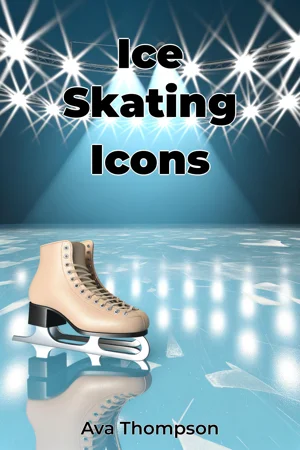
"Ice Skating Icons" chronicles the evolution of competitive figure skating through the lives and achievements of the athletes who transformed the sport from its early days to the present era. From the first indoor ice rinks of the 1800s to the technical mastery of modern competition, this comprehensive exploration reveals how determined individuals pushed the boundaries of human capability on ice. The book examines three pivotal periods in figure skating history: the emergence of formal competition in the early 20th century, the revolution of athletic elements in the 1970s and 1980s, and the scoring system reformation following the 2002 Olympics. Through detailed profiles of notable skaters, readers discover how each generation built upon previous achievements to advance the sport's technical and artistic elements. Drawing from extensive archival research, interviews with former champions, and coaching insights, the text provides an analytical framework for understanding the sport's development. The narrative explores how changes in technology, from blade design to ice preparation techniques, enabled increasingly complex jumps and spins. It also addresses the cultural impact of figure skating, examining its role in international diplomacy and its influence on fashion and entertainment. The book is structured chronologically, beginning with the foundational figures who standardized skating techniques. Subsequent chapters detail the introduction of required elements, the integration of ballet and modern dance influences, and the rising importance of technical precision. The work culminates in an analysis of contemporary skating, where athletes combine athletic prowess with artistic expression. Statistical data from competition records, training methodologies, and performance analyses support the book's examination of how skating techniques evolved. The research incorporates biomechanical studies explaining the physics of jumping and spinning, while also considering the psychological aspects of competitive performance. The content connects multiple disciplines, including sports science, performing arts, and physics. These intersections demonstrate how figure skating serves as a unique blend of athletic skill and artistic expression. The book also explores the role of medicine and physical therapy in extending skaters' careers and preventing injuries. Written in an analytical yet accessible style, the text balances technical information with biographical narratives. While maintaining scholarly rigor, it presents complex concepts in terms appropriate for both skating enthusiasts and general sports readers. The target audience includes coaches, athletes, sports historians, and anyone interested in the development of competitive athletics. The book addresses ongoing debates within the skating community, including discussions about the balance between technical difficulty and artistic merit, age requirements for competition, and the impact of new scoring systems on choreographic creativity. Practical applications include training insights, performance preparation strategies, and historical perspectives valuable to current competitors and coaches. The work also provides context for spectators seeking to understand scoring criteria and technical elements in modern competition. The scope encompasses both individual and pair skating, though it primarily focuses on singles competition where the most significant technical advances have occurred. While touching on ice dancing and synchronized skating, these disciplines receive focused attention only where they influenced the broader development of figure skating. This methodical examination of figure skating's evolution offers readers a thorough understanding of how the sport developed into its current form, while providing insights into its potential future direction.
"Ice Skating Icons" chronicles the evolution of competitive figure skating through the lives and achievements of the athletes who transformed the sport from its early days to the present era. From the first indoor ice rinks of the 1800s to the technical mastery of modern competition, this comprehensive exploration reveals how determined individuals pushed the boundaries of human capability on ice. The book examines three pivotal periods in figure skating history: the emergence of formal competition in the early 20th century, the revolution of athletic elements in the 1970s and 1980s, and the scoring system reformation following the 2002 Olympics. Through detailed profiles of notable skaters, readers discover how each generation built upon previous achievements to advance the sport's technical and artistic elements. Drawing from extensive archival research, interviews with former champions, and coaching insights, the text provides an analytical framework for understanding the sport's development. The narrative explores how changes in technology, from blade design to ice preparation techniques, enabled increasingly complex jumps and spins. It also addresses the cultural impact of figure skating, examining its role in international diplomacy and its influence on fashion and entertainment. The book is structured chronologically, beginning with the foundational figures who standardized skating techniques. Subsequent chapters detail the introduction of required elements, the integration of ballet and modern dance influences, and the rising importance of technical precision. The work culminates in an analysis of contemporary skating, where athletes combine athletic prowess with artistic expression. Statistical data from competition records, training methodologies, and performance analyses support the book's examination of how skating techniques evolved. The research incorporates biomechanical studies explaining the physics of jumping and spinning, while also considering the psychological aspects of competitive performance. The content connects multiple disciplines, including sports science, performing arts, and physics. These intersections demonstrate how figure skating serves as a unique blend of athletic skill and artistic expression. The book also explores the role of medicine and physical therapy in extending skaters' careers and preventing injuries. Written in an analytical yet accessible style, the text balances technical information with biographical narratives. While maintaining scholarly rigor, it presents complex concepts in terms appropriate for both skating enthusiasts and general sports readers. The target audience includes coaches, athletes, sports historians, and anyone interested in the development of competitive athletics. The book addresses ongoing debates within the skating community, including discussions about the balance between technical difficulty and artistic merit, age requirements for competition, and the impact of new scoring systems on choreographic creativity. Practical applications include training insights, performance preparation strategies, and historical perspectives valuable to current competitors and coaches. The work also provides context for spectators seeking to understand scoring criteria and technical elements in modern competition. The scope encompasses both individual and pair skating, though it primarily focuses on singles competition where the most significant technical advances have occurred. While touching on ice dancing and synchronized skating, these disciplines receive focused attention only where they influenced the broader development of figure skating. This methodical examination of figure skating's evolution offers readers a thorough understanding of how the sport developed into its current form, while providing insights into its potential future direction.
"Ice Skating Icons" presents a fascinating journey through the evolution of competitive figure skating, chronicling how this elegant sport transformed from its humble beginnings in 1800s indoor rinks to the technically sophisticated discipline we know today. The book masterfully weaves together three crucial periods that shaped modern figure skating: the birth of formal competition in the early 20th century, the athletic revolution of the 1970s and 1980s, and the fundamental changes in scoring following the 2002 Olympics. Through meticulous research and firsthand accounts from champions and coaches, the book reveals how technological advances in blade design and ice preparation enabled increasingly complex jumps and spins. The narrative expertly balances technical aspects with human stories, exploring how each generation of skaters built upon previous achievements to advance both the athletic and artistic elements of the sport. Readers gain unique insights into the physics of jumping and spinning, while also understanding the psychological demands of competitive performance. The chronological progression takes readers from the foundational figures who standardized skating techniques through to contemporary athletes who combine supreme athletic prowess with artistic expression. What sets this book apart is its multidisciplinary approach, connecting sports science, performing arts, and physics while remaining accessible to both enthusiasts and general readers. The exploration of ongoing debates within the skating community, including the balance between technical difficulty and artistic merit, provides valuable context for understanding the sport's current state and future direction.
Book Details
ISBN
9788233947125
Publisher
Publifye AS
Your Licenses
You don't own any licenses for this book
Purchase a license below to unlock this book and download the EPUB.
Purchase License
Select a tier to unlock this book
Need bulk licensing?
Contact us for enterprise agreements.