
About This Book
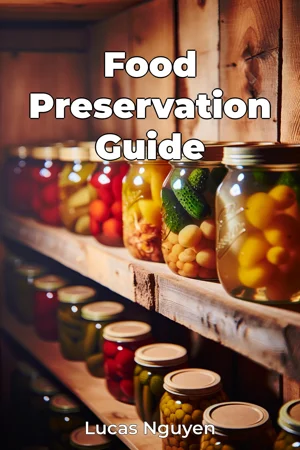
In an era where food security and self-sufficiency have become increasingly important, "Food Preservation Guide" presents a comprehensive examination of time-tested and modern preservation techniques that enable individuals to maintain long-term food supplies. This practical reference work addresses the fundamental question: How can we effectively preserve food without compromising its nutritional value and safety? The book systematically explores three primary preservation methods: dehydration, canning, and fermentation, while also covering emerging techniques such as freeze-drying and pressure preservation. These methods are presented within the context of both historical development and current food safety standards, providing readers with a thorough understanding of how preservation techniques have evolved and why specific procedures must be followed. The work is structured in four main sections, beginning with the scientific principles behind food spoilage and preservation. This foundation explains the role of moisture, bacteria, enzymes, and oxidation in food deterioration, enabling readers to understand why particular preservation methods are effective. The second section details specific preservation techniques, including step-by-step protocols, equipment requirements, and troubleshooting guides. The third section addresses storage methods and conditions, while the fourth covers food selection and preparation for optimal preservation results. Throughout the text, the author incorporates research from food science laboratories, agricultural extension services, and historical preservation practices. This evidence-based approach is supplemented with data from the USDA and FDA regarding food safety standards and verified preservation methods. The work also draws from microbiology and chemistry to explain the underlying processes of preservation. The book connects preservation techniques to broader fields including environmental science, discussing energy efficiency of different methods; economics, examining cost-effectiveness of home preservation; and nutrition, analyzing nutrient retention across various preservation techniques. These interdisciplinary connections provide context for making informed preservation choices. Written in a clear, instructional style, the text balances technical accuracy with accessibility, making it suitable for both novice home preservers and experienced practitioners. Each chapter includes detailed charts, temperature tables, and processing times, along with clear safety warnings and quality control measures. The target audience includes home food preservers, small-scale farmers, preparedness-minded individuals, and those interested in traditional food practices. The book serves both as a beginner's guide and a reference for experienced preservers seeking to expand their knowledge. While maintaining scientific rigor, the book acknowledges ongoing debates in food preservation, such as the safety of certain traditional methods versus modern approaches, and addresses these controversies with current research and established guidelines. It also examines the environmental impact of different preservation methods and their role in reducing food waste. The scope encompasses both small-batch home preservation and scaling techniques for larger operations, though it primarily focuses on methods applicable to home and small community settings. The work specifically addresses common preservation challenges in various climates and storage conditions, providing solutions for different environmental contexts. The practical applications extend beyond basic food storage, including sections on creating emergency food supplies, developing seasonal preservation schedules, and building sustainable food preservation systems. The book also addresses economic considerations, helping readers evaluate the cost-effectiveness of different preservation methods and equipment investments. This comprehensive guide fills a crucial gap in current food preservation literature by combining traditional wisdom with modern food safety science, providing readers with reliable, tested methods for long-term food storage and security.
In an era where food security and self-sufficiency have become increasingly important, "Food Preservation Guide" presents a comprehensive examination of time-tested and modern preservation techniques that enable individuals to maintain long-term food supplies. This practical reference work addresses the fundamental question: How can we effectively preserve food without compromising its nutritional value and safety? The book systematically explores three primary preservation methods: dehydration, canning, and fermentation, while also covering emerging techniques such as freeze-drying and pressure preservation. These methods are presented within the context of both historical development and current food safety standards, providing readers with a thorough understanding of how preservation techniques have evolved and why specific procedures must be followed. The work is structured in four main sections, beginning with the scientific principles behind food spoilage and preservation. This foundation explains the role of moisture, bacteria, enzymes, and oxidation in food deterioration, enabling readers to understand why particular preservation methods are effective. The second section details specific preservation techniques, including step-by-step protocols, equipment requirements, and troubleshooting guides. The third section addresses storage methods and conditions, while the fourth covers food selection and preparation for optimal preservation results. Throughout the text, the author incorporates research from food science laboratories, agricultural extension services, and historical preservation practices. This evidence-based approach is supplemented with data from the USDA and FDA regarding food safety standards and verified preservation methods. The work also draws from microbiology and chemistry to explain the underlying processes of preservation. The book connects preservation techniques to broader fields including environmental science, discussing energy efficiency of different methods; economics, examining cost-effectiveness of home preservation; and nutrition, analyzing nutrient retention across various preservation techniques. These interdisciplinary connections provide context for making informed preservation choices. Written in a clear, instructional style, the text balances technical accuracy with accessibility, making it suitable for both novice home preservers and experienced practitioners. Each chapter includes detailed charts, temperature tables, and processing times, along with clear safety warnings and quality control measures. The target audience includes home food preservers, small-scale farmers, preparedness-minded individuals, and those interested in traditional food practices. The book serves both as a beginner's guide and a reference for experienced preservers seeking to expand their knowledge. While maintaining scientific rigor, the book acknowledges ongoing debates in food preservation, such as the safety of certain traditional methods versus modern approaches, and addresses these controversies with current research and established guidelines. It also examines the environmental impact of different preservation methods and their role in reducing food waste. The scope encompasses both small-batch home preservation and scaling techniques for larger operations, though it primarily focuses on methods applicable to home and small community settings. The work specifically addresses common preservation challenges in various climates and storage conditions, providing solutions for different environmental contexts. The practical applications extend beyond basic food storage, including sections on creating emergency food supplies, developing seasonal preservation schedules, and building sustainable food preservation systems. The book also addresses economic considerations, helping readers evaluate the cost-effectiveness of different preservation methods and equipment investments. This comprehensive guide fills a crucial gap in current food preservation literature by combining traditional wisdom with modern food safety science, providing readers with reliable, tested methods for long-term food storage and security.
"Food Preservation Guide" offers a comprehensive exploration of traditional and modern food preservation techniques, focusing on the critical intersection of food security, safety, and self-sufficiency. This authoritative resource systematically examines three primary preservation methods—dehydration, canning, and fermentation—while also covering emerging techniques like freeze-drying and pressure preservation. The book uniquely bridges historical wisdom with contemporary food science, providing readers with both the "how" and "why" behind effective preservation practices. The guide progresses logically from fundamental scientific principles of food spoilage to specific preservation techniques, followed by detailed storage methods and food selection guidelines. Readers will discover practical insights into the roles of moisture, bacteria, enzymes, and oxidation in food deterioration, accompanied by precise processing times, temperature tables, and safety protocols. The book's evidence-based approach incorporates research from food science laboratories and regulatory agencies like the USDA and FDA, ensuring reliable and safe preservation methods. What sets this guide apart is its holistic approach to food preservation, addressing not only technical aspects but also environmental impact, cost-effectiveness, and nutritional considerations. Whether you're a novice home preserver or an experienced practitioner, the clear, instructional style makes complex concepts accessible while maintaining scientific accuracy. The book includes practical applications for various climates and storage conditions, helping readers develop sustainable preservation systems and emergency food supplies.
Book Details
ISBN
9788233946975
Publisher
Publifye AS
Your Licenses
You don't own any licenses for this book
Purchase a license below to unlock this book and download the EPUB.
Purchase License
Select a tier to unlock this book
Need bulk licensing?
Contact us for enterprise agreements.