
About This Book
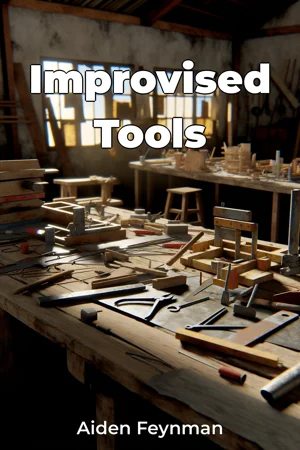
"Improvised Tools" presents a systematic approach to creating functional tools and devices from readily available materials in challenging environments, addressing the crucial gap between survival needs and limited resources. This comprehensive guide combines engineering principles with practical survival skills, offering readers a foundation in tool improvisation that could prove essential in emergency situations. The book explores three fundamental areas: material identification and assessment, basic engineering principles for improvised construction, and specific tool-making techniques. These topics form the core of a survival-based approach to engineering, emphasizing resourcefulness and adaptability in various scenarios. Drawing from historical examples, including military field engineering and indigenous technologies, the work establishes a context for modern improvisation techniques. The text builds upon basic physics and mechanical principles, making these concepts accessible to readers without formal engineering backgrounds while maintaining technical accuracy. The central thesis argues that understanding fundamental tool-making principles, combined with knowledge of material properties, enables individuals to create essential implements in resource-limited situations. This argument is supported by detailed technical illustrations, material property tables, and step-by-step construction guides for various tools. The content progresses through logical phases: first establishing material science basics, then exploring simple mechanical principles, and finally presenting specific tool-making projects. Each chapter includes practical exercises, safety considerations, and troubleshooting guides. The work culminates in complex projects that combine multiple concepts and techniques. Research backing the book's methodology comes from engineering studies, survival case studies, and documented field experiences. The author draws from archaeological records of historical tool-making techniques, modern materials science, and contemporary survival training programs to validate the presented methods. The work connects multiple disciplines, including materials science, mechanical engineering, and environmental science. These intersections provide readers with a holistic understanding of tool creation in various contexts. The book's approach uniquely combines technical precision with practical applicability, distinguishing it from both purely theoretical engineering texts and basic survival guides. Written in a technical yet accessible style, the text maintains a methodical approach while providing clear, actionable instructions. The target audience includes emergency preparedness enthusiasts, outdoor professionals, engineering students, and anyone interested in understanding tool-making fundamentals. The scope encompasses basic hand tools through intermediate mechanical devices, focusing on items that can be created with minimal specialized equipment. While addressing modern materials and techniques, the book acknowledges limitations in available resources during survival scenarios. Real-world applications range from wilderness survival to urban emergency preparedness, with techniques applicable in both primitive and modern contexts. The work addresses ongoing debates in the survival community regarding the balance between technical knowledge and practical skills, offering evidence-based solutions that bridge this divide. The book maintains scientific rigor while remaining practical, providing readers with both theoretical understanding and hands-on capabilities. Each chapter builds upon previous knowledge, creating a comprehensive framework for understanding tool improvisation in various situations. "Improvised Tools" fills a vital niche in survival literature by providing detailed, technically accurate information about tool creation while remaining accessible to readers with varying technical backgrounds. It serves as both a practical manual and a theoretical guide to understanding the principles behind tool design and construction in challenging circumstances.
"Improvised Tools" presents a systematic approach to creating functional tools and devices from readily available materials in challenging environments, addressing the crucial gap between survival needs and limited resources. This comprehensive guide combines engineering principles with practical survival skills, offering readers a foundation in tool improvisation that could prove essential in emergency situations. The book explores three fundamental areas: material identification and assessment, basic engineering principles for improvised construction, and specific tool-making techniques. These topics form the core of a survival-based approach to engineering, emphasizing resourcefulness and adaptability in various scenarios. Drawing from historical examples, including military field engineering and indigenous technologies, the work establishes a context for modern improvisation techniques. The text builds upon basic physics and mechanical principles, making these concepts accessible to readers without formal engineering backgrounds while maintaining technical accuracy. The central thesis argues that understanding fundamental tool-making principles, combined with knowledge of material properties, enables individuals to create essential implements in resource-limited situations. This argument is supported by detailed technical illustrations, material property tables, and step-by-step construction guides for various tools. The content progresses through logical phases: first establishing material science basics, then exploring simple mechanical principles, and finally presenting specific tool-making projects. Each chapter includes practical exercises, safety considerations, and troubleshooting guides. The work culminates in complex projects that combine multiple concepts and techniques. Research backing the book's methodology comes from engineering studies, survival case studies, and documented field experiences. The author draws from archaeological records of historical tool-making techniques, modern materials science, and contemporary survival training programs to validate the presented methods. The work connects multiple disciplines, including materials science, mechanical engineering, and environmental science. These intersections provide readers with a holistic understanding of tool creation in various contexts. The book's approach uniquely combines technical precision with practical applicability, distinguishing it from both purely theoretical engineering texts and basic survival guides. Written in a technical yet accessible style, the text maintains a methodical approach while providing clear, actionable instructions. The target audience includes emergency preparedness enthusiasts, outdoor professionals, engineering students, and anyone interested in understanding tool-making fundamentals. The scope encompasses basic hand tools through intermediate mechanical devices, focusing on items that can be created with minimal specialized equipment. While addressing modern materials and techniques, the book acknowledges limitations in available resources during survival scenarios. Real-world applications range from wilderness survival to urban emergency preparedness, with techniques applicable in both primitive and modern contexts. The work addresses ongoing debates in the survival community regarding the balance between technical knowledge and practical skills, offering evidence-based solutions that bridge this divide. The book maintains scientific rigor while remaining practical, providing readers with both theoretical understanding and hands-on capabilities. Each chapter builds upon previous knowledge, creating a comprehensive framework for understanding tool improvisation in various situations. "Improvised Tools" fills a vital niche in survival literature by providing detailed, technically accurate information about tool creation while remaining accessible to readers with varying technical backgrounds. It serves as both a practical manual and a theoretical guide to understanding the principles behind tool design and construction in challenging circumstances.
"Improvised Tools" is a groundbreaking guide that bridges the gap between survival needs and engineering principles, teaching readers how to create functional tools from available materials in challenging situations. The book uniquely combines technical knowledge with practical application, making complex engineering concepts accessible to readers of all backgrounds while maintaining scientific accuracy. Through a systematic approach, it covers essential aspects of tool improvisation, from basic material science to advanced mechanical principles. The content progresses logically, beginning with fundamental material identification and assessment before advancing to engineering principles and specific tool-making techniques. Drawing from diverse sources, including military field engineering, archaeological records, and indigenous technologies, the book presents validated methods for creating everything from simple hand tools to intermediate mechanical devices. Each chapter includes practical exercises and detailed safety considerations, allowing readers to build confidence through hands-on experience. What sets this work apart is its comprehensive integration of multiple disciplines, including materials science, mechanical engineering, and environmental science, all presented through the lens of practical survival applications. The book's approach balances technical precision with real-world usability, making it valuable for both emergency preparedness enthusiasts and engineering students. Through detailed technical illustrations, material property tables, and step-by-step construction guides, readers gain both theoretical understanding and practical skills essential for tool improvisation in resource-limited environments.
Book Details
ISBN
9788233946913
Publisher
Publifye AS
Your Licenses
You don't own any licenses for this book
Purchase a license below to unlock this book and download the EPUB.
Purchase License
Select a tier to unlock this book
Need bulk licensing?
Contact us for enterprise agreements.