
About This Book
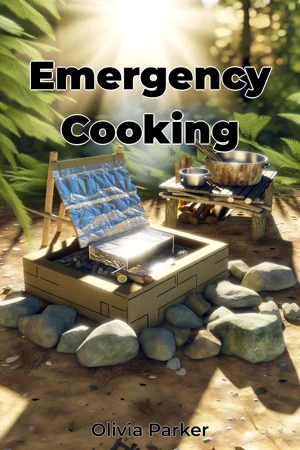
"Emergency Cooking" addresses a critical yet often overlooked aspect of survival preparedness: how to prepare nutritious meals when modern conveniences are unavailable. This comprehensive guide transforms everyday items into functional cooking tools and teaches adaptable cooking methods for crisis situations. The book centers on three fundamental principles: resource optimization, improvisational cooking techniques, and nutritional awareness during emergencies. These elements form the foundation for maintaining sustenance during power outages, natural disasters, or other situations where standard cooking methods are compromised. Drawing from historical practices of cooking without modern amenities and incorporating contemporary survival expertise, the book presents tested methods for food preparation under challenging conditions. It examines traditional cooking techniques from various cultures that remain relevant for emergency situations, while also addressing modern dietary requirements and food safety concerns. The core message emphasizes that effective emergency cooking requires both knowledge and practice before crisis situations arise. This preparation enables individuals to maintain proper nutrition and food safety standards even in adverse conditions. The content progresses through several key sections: First, it catalogs common household items that can serve as cooking implements, from using aluminum foil as a cooking surface to creating heat-reflective ovens from cardboard and metal. Second, it details various heat sources and cooking methods, including solar cooking, containment heating, and safe indoor cooking alternatives. Finally, it provides practical meal planning strategies that account for limited resources and potential dietary restrictions. Supporting evidence comes from extensive testing of various methods, input from survival experts, and documented experiences from disaster situations. The book includes scientific explanations of cooking processes and food safety principles, ensuring readers understand not just how but why certain methods work. The work connects multiple disciplines, including food science, nutrition, and emergency management. It incorporates principles of heat transfer and basic chemistry to explain cooking processes, while addressing psychological aspects of maintaining morale through food preparation during crises. The book employs a practical, step-by-step approach, with clear illustrations and diagrams demonstrating each technique. The writing style maintains a direct, instructional tone while remaining accessible to readers without technical backgrounds. Target readers include emergency preparedness enthusiasts, outdoor recreation participants, and individuals seeking self-reliance skills. The content serves both urban and rural audiences, addressing varying levels of resource availability and living situations. Within the health and fitness genre, the book uniquely positions itself at the intersection of survival skills and practical nutrition. It emphasizes maintaining dietary health during emergencies rather than focusing solely on basic survival. The scope covers both short-term emergency situations and extended periods without modern conveniences, though it primarily focuses on scenarios lasting days to weeks. The book acknowledges limitations of different methods and provides multiple alternatives for various situations. Practical applications include immediate use in camping and outdoor recreation, preparation for power outages or natural disasters, and development of general self-reliance skills. Each technique is presented with multiple variations to accommodate different resource availability levels. The book addresses ongoing debates about food safety in emergency situations and challenges common misconceptions about emergency cooking methods. It provides evidence-based recommendations while acknowledging when certain popular but unsafe methods should be avoided. This guide serves as a practical resource for developing essential skills that may become crucial in emergency situations, emphasizing the importance of practice and preparation in advance of actual need.
"Emergency Cooking" addresses a critical yet often overlooked aspect of survival preparedness: how to prepare nutritious meals when modern conveniences are unavailable. This comprehensive guide transforms everyday items into functional cooking tools and teaches adaptable cooking methods for crisis situations. The book centers on three fundamental principles: resource optimization, improvisational cooking techniques, and nutritional awareness during emergencies. These elements form the foundation for maintaining sustenance during power outages, natural disasters, or other situations where standard cooking methods are compromised. Drawing from historical practices of cooking without modern amenities and incorporating contemporary survival expertise, the book presents tested methods for food preparation under challenging conditions. It examines traditional cooking techniques from various cultures that remain relevant for emergency situations, while also addressing modern dietary requirements and food safety concerns. The core message emphasizes that effective emergency cooking requires both knowledge and practice before crisis situations arise. This preparation enables individuals to maintain proper nutrition and food safety standards even in adverse conditions. The content progresses through several key sections: First, it catalogs common household items that can serve as cooking implements, from using aluminum foil as a cooking surface to creating heat-reflective ovens from cardboard and metal. Second, it details various heat sources and cooking methods, including solar cooking, containment heating, and safe indoor cooking alternatives. Finally, it provides practical meal planning strategies that account for limited resources and potential dietary restrictions. Supporting evidence comes from extensive testing of various methods, input from survival experts, and documented experiences from disaster situations. The book includes scientific explanations of cooking processes and food safety principles, ensuring readers understand not just how but why certain methods work. The work connects multiple disciplines, including food science, nutrition, and emergency management. It incorporates principles of heat transfer and basic chemistry to explain cooking processes, while addressing psychological aspects of maintaining morale through food preparation during crises. The book employs a practical, step-by-step approach, with clear illustrations and diagrams demonstrating each technique. The writing style maintains a direct, instructional tone while remaining accessible to readers without technical backgrounds. Target readers include emergency preparedness enthusiasts, outdoor recreation participants, and individuals seeking self-reliance skills. The content serves both urban and rural audiences, addressing varying levels of resource availability and living situations. Within the health and fitness genre, the book uniquely positions itself at the intersection of survival skills and practical nutrition. It emphasizes maintaining dietary health during emergencies rather than focusing solely on basic survival. The scope covers both short-term emergency situations and extended periods without modern conveniences, though it primarily focuses on scenarios lasting days to weeks. The book acknowledges limitations of different methods and provides multiple alternatives for various situations. Practical applications include immediate use in camping and outdoor recreation, preparation for power outages or natural disasters, and development of general self-reliance skills. Each technique is presented with multiple variations to accommodate different resource availability levels. The book addresses ongoing debates about food safety in emergency situations and challenges common misconceptions about emergency cooking methods. It provides evidence-based recommendations while acknowledging when certain popular but unsafe methods should be avoided. This guide serves as a practical resource for developing essential skills that may become crucial in emergency situations, emphasizing the importance of practice and preparation in advance of actual need.
"Emergency Cooking" offers a vital perspective on survival preparedness by focusing on the critical skill of preparing nutritious meals without modern conveniences. This comprehensive guide bridges the gap between basic survival skills and practical nutrition, teaching readers how to transform everyday household items into functional cooking tools while maintaining food safety standards during crisis situations. The book builds its approach on three core principles: maximizing available resources, developing improvisational cooking techniques, and maintaining nutritional awareness during emergencies. It progresses logically from identifying alternative cooking implements (like creating heat-reflective ovens from cardboard and metal) to exploring various heating methods such as solar cooking and containment heating. The guide draws from both historical practices and modern survival expertise, making it relevant for contemporary emergency situations. What sets this book apart is its practical, science-based approach to emergency food preparation, backed by extensive testing and expert input. Rather than focusing solely on basic survival, it emphasizes maintaining proper nutrition and food safety during challenging circumstances. The content serves both urban and rural audiences, making it invaluable for emergency preparedness enthusiasts and those seeking self-reliance skills. Through clear illustrations and step-by-step instructions, readers learn not just how to cook in emergencies, but why certain methods work, enabling them to adapt these skills to various crisis scenarios.
Book Details
ISBN
9788233946876
Publisher
Publifye AS
Your Licenses
You don't own any licenses for this book
Purchase a license below to unlock this book and download the EPUB.
Purchase License
Select a tier to unlock this book
Need bulk licensing?
Contact us for enterprise agreements.