
About This Book
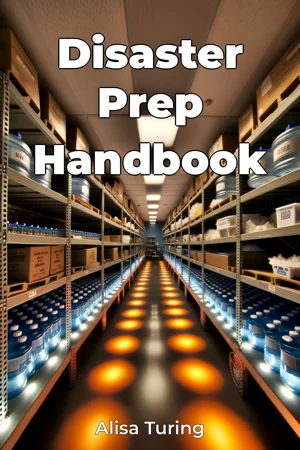
In an era where natural disasters, pandemics, and societal disruptions have become increasingly frequent, the "Disaster Prep Handbook" provides a systematic approach to personal and family emergency preparedness. This comprehensive guide transforms complex emergency management principles into practical, actionable steps for everyday citizens. The book addresses three fundamental pillars of disaster preparedness: risk assessment, resource management, and response planning. Through a methodical examination of historical disasters and contemporary threats, readers learn to evaluate potential hazards specific to their geographic location, living situation, and personal circumstances. This analysis forms the foundation for developing tailored preparation strategies. Building on decades of emergency management research and real-world case studies, the handbook integrates insights from multiple disciplines, including meteorology, public health, and infrastructure engineering. The content draws from established protocols used by FEMA, Red Cross, and international disaster response organizations, adapting professional-grade preparation techniques for household implementation. The book's core argument maintains that effective disaster preparedness requires a balanced approach combining knowledge, skills, and resources. Rather than promoting extreme scenarios or fear-based planning, it focuses on rational, scalable preparations that fit within readers' everyday lives and budgets. Structured in three major sections, the handbook first guides readers through threat assessment and basic preparedness. The second section details specific preparation strategies for different disaster types, including natural disasters, technological emergencies, and biological threats. The final section covers long-term sustainability and community resilience. Throughout the text, the authors present evidence-based recommendations supported by disaster response data, survival case studies, and expert interviews. Special attention is given to lessons learned from recent global events, including the COVID-19 pandemic, major hurricanes, and widespread power grid failures. The handbook connects emergency preparedness to related fields such as environmental science, psychology, and urban planning. These interdisciplinary perspectives help readers understand both the physical and social dynamics of disasters, leading to more robust preparation strategies. Written in a clear, instructional style, the book maintains a professional tone while ensuring accessibility for general readers. Technical concepts are explained through practical examples and step-by-step guides, making complex preparedness principles easy to understand and implement. The target audience includes urban and suburban families, individual householders, and community organizers seeking reliable preparation strategies. The content is particularly relevant for those living in areas prone to specific natural disasters or those wanting to establish basic emergency readiness. The scope encompasses both immediate emergency response and long-term resilience building, though it intentionally focuses on civilian-level preparation rather than professional emergency response protocols. The handbook addresses common preparedness myths and controversies, providing evidence-based clarification of effective versus ineffective strategies. Practical applications include detailed checklists for emergency supplies, templates for family communication plans, and guidance for creating sustainable food and water storage systems. The book also covers often-overlooked aspects of preparedness, such as financial readiness and maintaining important documents. The content acknowledges ongoing debates in emergency preparedness, such as the balance between individual and community preparation, and the role of government versus personal responsibility in disaster readiness. These topics are addressed objectively, allowing readers to make informed decisions based on their circumstances and beliefs. Through its systematic approach and comprehensive coverage, the "Disaster Prep Handbook" serves as a practical guide for converting preparedness knowledge into actionable safety measures, ensuring readers can protect themselves and their families during emergencies.
In an era where natural disasters, pandemics, and societal disruptions have become increasingly frequent, the "Disaster Prep Handbook" provides a systematic approach to personal and family emergency preparedness. This comprehensive guide transforms complex emergency management principles into practical, actionable steps for everyday citizens. The book addresses three fundamental pillars of disaster preparedness: risk assessment, resource management, and response planning. Through a methodical examination of historical disasters and contemporary threats, readers learn to evaluate potential hazards specific to their geographic location, living situation, and personal circumstances. This analysis forms the foundation for developing tailored preparation strategies. Building on decades of emergency management research and real-world case studies, the handbook integrates insights from multiple disciplines, including meteorology, public health, and infrastructure engineering. The content draws from established protocols used by FEMA, Red Cross, and international disaster response organizations, adapting professional-grade preparation techniques for household implementation. The book's core argument maintains that effective disaster preparedness requires a balanced approach combining knowledge, skills, and resources. Rather than promoting extreme scenarios or fear-based planning, it focuses on rational, scalable preparations that fit within readers' everyday lives and budgets. Structured in three major sections, the handbook first guides readers through threat assessment and basic preparedness. The second section details specific preparation strategies for different disaster types, including natural disasters, technological emergencies, and biological threats. The final section covers long-term sustainability and community resilience. Throughout the text, the authors present evidence-based recommendations supported by disaster response data, survival case studies, and expert interviews. Special attention is given to lessons learned from recent global events, including the COVID-19 pandemic, major hurricanes, and widespread power grid failures. The handbook connects emergency preparedness to related fields such as environmental science, psychology, and urban planning. These interdisciplinary perspectives help readers understand both the physical and social dynamics of disasters, leading to more robust preparation strategies. Written in a clear, instructional style, the book maintains a professional tone while ensuring accessibility for general readers. Technical concepts are explained through practical examples and step-by-step guides, making complex preparedness principles easy to understand and implement. The target audience includes urban and suburban families, individual householders, and community organizers seeking reliable preparation strategies. The content is particularly relevant for those living in areas prone to specific natural disasters or those wanting to establish basic emergency readiness. The scope encompasses both immediate emergency response and long-term resilience building, though it intentionally focuses on civilian-level preparation rather than professional emergency response protocols. The handbook addresses common preparedness myths and controversies, providing evidence-based clarification of effective versus ineffective strategies. Practical applications include detailed checklists for emergency supplies, templates for family communication plans, and guidance for creating sustainable food and water storage systems. The book also covers often-overlooked aspects of preparedness, such as financial readiness and maintaining important documents. The content acknowledges ongoing debates in emergency preparedness, such as the balance between individual and community preparation, and the role of government versus personal responsibility in disaster readiness. These topics are addressed objectively, allowing readers to make informed decisions based on their circumstances and beliefs. Through its systematic approach and comprehensive coverage, the "Disaster Prep Handbook" serves as a practical guide for converting preparedness knowledge into actionable safety measures, ensuring readers can protect themselves and their families during emergencies.
The "Disaster Prep Handbook" serves as a comprehensive guide to personal and family emergency preparedness, transforming complex emergency management principles into practical, actionable steps for everyday citizens. The book's unique strength lies in its systematic approach to preparedness through three fundamental pillars: risk assessment, resource management, and response planning, making it accessible to both urban and suburban families seeking reliable preparation strategies. Drawing from established protocols used by organizations like FEMA and the Red Cross, the handbook presents evidence-based recommendations supported by real-world case studies and expert insights. The content progresses logically through three major sections, beginning with threat assessment and basic preparedness, moving to specific strategies for different disaster types, and concluding with long-term sustainability and community resilience. Rather than promoting fear-based planning, the book emphasizes rational, scalable preparations that fit within readers' everyday lives and budgets. What sets this guide apart is its interdisciplinary approach, connecting emergency preparedness to environmental science, psychology, and urban planning. The book includes practical applications such as detailed checklists for emergency supplies, templates for family communication plans, and guidance for creating sustainable storage systems. Special attention is given to recent global events, including the COVID-19 pandemic and major natural disasters, providing readers with current and relevant preparation strategies that reflect modern challenges and solutions.
Book Details
ISBN
9788233946777
Publisher
Publifye AS
Your Licenses
You don't own any licenses for this book
Purchase a license below to unlock this book and download the EPUB.
Purchase License
Select a tier to unlock this book
Need bulk licensing?
Contact us for enterprise agreements.