
About This Book
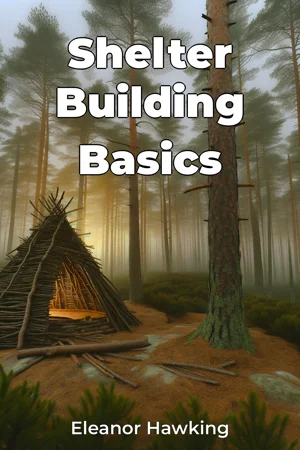
"Shelter Building Basics" addresses a fundamental question faced by outdoor enthusiasts and survival experts alike: How can one construct reliable emergency shelter using only available materials in any environment? This comprehensive guide bridges the gap between basic camping knowledge and advanced survival skills, offering practical solutions for shelter construction across diverse landscapes and climate conditions. The book presents three core topics: material selection and assessment, construction techniques for different environments, and long-term shelter sustainability. These elements form the foundation of successful shelter building, whether in dense forests, arid deserts, or snow-covered terrain. Understanding these principles can mean the difference between comfort and crisis in challenging outdoor situations. Drawing from indigenous shelter-building traditions and modern survival research, the text explores how human shelter construction has evolved while maintaining core principles that remain relevant today. Readers require basic outdoor experience but no advanced technical knowledge, as the book builds systematically from fundamental concepts to complex applications. The central thesis maintains that effective shelter building relies on understanding environmental factors and material properties rather than memorizing rigid construction templates. This adaptive approach enables readers to create suitable shelters in any situation using available resources. The content progresses through four main sections: initial site selection and assessment, material gathering and evaluation, construction techniques for various shelter types, and maintenance and improvement strategies. Each chapter includes detailed illustrations, material charts, and step-by-step instructions, supported by case studies of real-world applications in different climates. Research draws from wilderness survival records, architectural principles, and environmental science, incorporating data from field testing and experienced survival instructors. The methodology combines traditional knowledge with modern materials science, offering readers both time-tested and contemporary solutions. The book connects strongly with environmental science, architecture, and anthropology, demonstrating how shelter building integrates principles from multiple disciplines. These connections provide readers with a deeper understanding of not just how to build shelters, but why certain techniques work in specific situations. The text employs a methodical, instructional approach while maintaining an accessible tone. Technical concepts are explained through practical examples and real-world scenarios, making complex principles understandable to readers at various skill levels. Primary audiences include outdoor enthusiasts, wilderness guides, emergency preparedness groups, and anyone interested in self-reliance skills. The content serves both as a practical manual and a reference guide for understanding shelter fundamentals. The book addresses current debates in the survival community regarding traditional versus modern materials and techniques, offering balanced perspectives supported by evidence-based research. It acknowledges the environmental impact of shelter building and promotes responsible practices that minimize ecological disruption. Practical applications extend beyond wilderness survival to include temporary housing solutions, humanitarian aid situations, and sustainable building practices. The principles presented can be adapted for various scenarios, from weekend camping to emergency preparedness. Coverage spans multiple climate zones and terrain types while focusing specifically on shelters that can be constructed by individuals or small groups using manual tools. The book addresses limitations of different construction methods and materials, helping readers make informed decisions based on their circumstances. The work maintains objectivity by presenting tested methods and documented results rather than relying on anecdotal evidence. It emphasizes the importance of practice and preparation while acknowledging that each shelter-building situation presents unique challenges requiring adaptive solutions.
"Shelter Building Basics" addresses a fundamental question faced by outdoor enthusiasts and survival experts alike: How can one construct reliable emergency shelter using only available materials in any environment? This comprehensive guide bridges the gap between basic camping knowledge and advanced survival skills, offering practical solutions for shelter construction across diverse landscapes and climate conditions. The book presents three core topics: material selection and assessment, construction techniques for different environments, and long-term shelter sustainability. These elements form the foundation of successful shelter building, whether in dense forests, arid deserts, or snow-covered terrain. Understanding these principles can mean the difference between comfort and crisis in challenging outdoor situations. Drawing from indigenous shelter-building traditions and modern survival research, the text explores how human shelter construction has evolved while maintaining core principles that remain relevant today. Readers require basic outdoor experience but no advanced technical knowledge, as the book builds systematically from fundamental concepts to complex applications. The central thesis maintains that effective shelter building relies on understanding environmental factors and material properties rather than memorizing rigid construction templates. This adaptive approach enables readers to create suitable shelters in any situation using available resources. The content progresses through four main sections: initial site selection and assessment, material gathering and evaluation, construction techniques for various shelter types, and maintenance and improvement strategies. Each chapter includes detailed illustrations, material charts, and step-by-step instructions, supported by case studies of real-world applications in different climates. Research draws from wilderness survival records, architectural principles, and environmental science, incorporating data from field testing and experienced survival instructors. The methodology combines traditional knowledge with modern materials science, offering readers both time-tested and contemporary solutions. The book connects strongly with environmental science, architecture, and anthropology, demonstrating how shelter building integrates principles from multiple disciplines. These connections provide readers with a deeper understanding of not just how to build shelters, but why certain techniques work in specific situations. The text employs a methodical, instructional approach while maintaining an accessible tone. Technical concepts are explained through practical examples and real-world scenarios, making complex principles understandable to readers at various skill levels. Primary audiences include outdoor enthusiasts, wilderness guides, emergency preparedness groups, and anyone interested in self-reliance skills. The content serves both as a practical manual and a reference guide for understanding shelter fundamentals. The book addresses current debates in the survival community regarding traditional versus modern materials and techniques, offering balanced perspectives supported by evidence-based research. It acknowledges the environmental impact of shelter building and promotes responsible practices that minimize ecological disruption. Practical applications extend beyond wilderness survival to include temporary housing solutions, humanitarian aid situations, and sustainable building practices. The principles presented can be adapted for various scenarios, from weekend camping to emergency preparedness. Coverage spans multiple climate zones and terrain types while focusing specifically on shelters that can be constructed by individuals or small groups using manual tools. The book addresses limitations of different construction methods and materials, helping readers make informed decisions based on their circumstances. The work maintains objectivity by presenting tested methods and documented results rather than relying on anecdotal evidence. It emphasizes the importance of practice and preparation while acknowledging that each shelter-building situation presents unique challenges requiring adaptive solutions.
"Shelter Building Basics" offers a comprehensive exploration of emergency shelter construction, seamlessly blending traditional wisdom with modern survival techniques. This practical guide transforms complex shelter-building principles into accessible knowledge, focusing on three fundamental aspects: selecting appropriate materials, mastering construction techniques for various environments, and ensuring long-term shelter sustainability. The book stands out for its adaptive approach, teaching readers to understand environmental factors and material properties rather than merely following rigid construction templates. The text progresses logically through four main sections, beginning with site selection and moving through material gathering, construction techniques, and maintenance strategies. Drawing from indigenous knowledge and contemporary survival research, it presents fascinating insights into how shelter-building methods have evolved while maintaining core principles. For instance, readers learn how traditional techniques can be adapted using modern materials, and how environmental factors influence shelter design across different climates, from dense forests to arid deserts. What makes this guide particularly valuable is its blend of theoretical knowledge and practical application, supported by detailed illustrations, material charts, and real-world case studies. The book bridges the gap between basic camping knowledge and advanced survival skills, making it accessible to outdoor enthusiasts while providing depth for more experienced practitioners. By incorporating principles from environmental science, architecture, and anthropology, it offers a holistic understanding of shelter building that goes beyond mere construction techniques to embrace sustainable practices and ecological responsibility.
Book Details
ISBN
9788233946722
Publisher
Publifye AS
Your Licenses
You don't own any licenses for this book
Purchase a license below to unlock this book and download the EPUB.
Purchase License
Select a tier to unlock this book
Need bulk licensing?
Contact us for enterprise agreements.