
About This Book
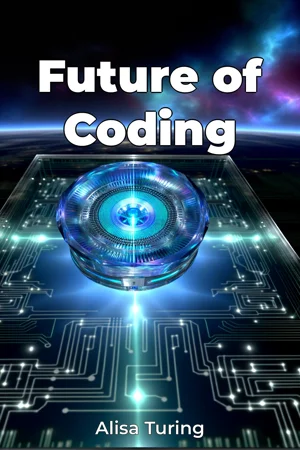
"Future of Coding" examines the transformative intersection of quantum computing, artificial intelligence, and software development, revealing how these technologies are reshaping the fundamental nature of programming. The book addresses the critical question: How will the convergence of quantum computing and AI-driven development tools alter the landscape of software creation over the next decade? The work explores three primary themes: the evolution of quantum programming paradigms, the integration of AI-assisted coding systems, and the emergence of hybrid development environments that combine classical and quantum approaches. These topics are particularly relevant as organizations worldwide grapple with the transition from traditional programming methods to quantum-ready infrastructures. The book provides historical context by tracing the evolution of programming from early assembly languages to current high-level abstractions, establishing a framework for understanding the quantum transition. Readers require a basic understanding of classical programming concepts and familiarity with fundamental computer science principles. The central thesis argues that the future of coding lies in the symbiotic relationship between human developers, AI systems, and quantum computing platforms. This relationship will necessitate a fundamental shift in how we approach algorithm design, debugging, and system optimization. The content is structured in three main sections. The first examines quantum computing principles and their impact on programming methodologies. The second explores AI-driven development tools, including advanced code completion systems and automated testing frameworks. The final section synthesizes these concepts, presenting a roadmap for integrating quantum and AI technologies into existing development workflows. The book draws from research conducted at leading quantum computing laboratories, interviews with AI system architects, and case studies from early adopters of quantum programming tools. It includes data from IBM's quantum computing program and Google's AI-assisted development initiatives. Interdisciplinary connections link computer science with physics, particularly in quantum mechanics and information theory. The book also explores connections with cognitive science in understanding how AI systems can augment human programming capabilities. The work distinguishes itself through its practical approach to quantum programming concepts, making complex topics accessible through concrete examples and real-world applications. The writing maintains a technical yet approachable tone, balancing academic rigor with practical utility. Target readers include software developers, computer science professionals, and technology strategists preparing for the quantum computing transition. The content serves both as a technical guide and a strategic planning resource. The book acknowledges current limitations in quantum hardware and AI capabilities, focusing on near-term applications while preparing readers for future developments. It addresses ongoing debates about the role of AI in programming, quantum supremacy claims, and the timeline for practical quantum computing applications. Practical applications include guidance for developing quantum-resistant security protocols, implementing hybrid classical-quantum algorithms, and leveraging AI-assisted development tools effectively. The book provides code examples in both traditional and quantum programming languages, accompanied by detailed explanations and best practices. Current controversies addressed include the debate over quantum computing's timeline to practical utility, the impact of AI on programming jobs, and security implications of quantum computing for current cryptographic systems. The scope encompasses near-term developments (5-10 years) while providing foundational knowledge for longer-term advances. The book maintains objectivity when discussing competing quantum computing approaches and AI development methodologies, presenting evidence-based analyses rather than speculative predictions.
"Future of Coding" examines the transformative intersection of quantum computing, artificial intelligence, and software development, revealing how these technologies are reshaping the fundamental nature of programming. The book addresses the critical question: How will the convergence of quantum computing and AI-driven development tools alter the landscape of software creation over the next decade? The work explores three primary themes: the evolution of quantum programming paradigms, the integration of AI-assisted coding systems, and the emergence of hybrid development environments that combine classical and quantum approaches. These topics are particularly relevant as organizations worldwide grapple with the transition from traditional programming methods to quantum-ready infrastructures. The book provides historical context by tracing the evolution of programming from early assembly languages to current high-level abstractions, establishing a framework for understanding the quantum transition. Readers require a basic understanding of classical programming concepts and familiarity with fundamental computer science principles. The central thesis argues that the future of coding lies in the symbiotic relationship between human developers, AI systems, and quantum computing platforms. This relationship will necessitate a fundamental shift in how we approach algorithm design, debugging, and system optimization. The content is structured in three main sections. The first examines quantum computing principles and their impact on programming methodologies. The second explores AI-driven development tools, including advanced code completion systems and automated testing frameworks. The final section synthesizes these concepts, presenting a roadmap for integrating quantum and AI technologies into existing development workflows. The book draws from research conducted at leading quantum computing laboratories, interviews with AI system architects, and case studies from early adopters of quantum programming tools. It includes data from IBM's quantum computing program and Google's AI-assisted development initiatives. Interdisciplinary connections link computer science with physics, particularly in quantum mechanics and information theory. The book also explores connections with cognitive science in understanding how AI systems can augment human programming capabilities. The work distinguishes itself through its practical approach to quantum programming concepts, making complex topics accessible through concrete examples and real-world applications. The writing maintains a technical yet approachable tone, balancing academic rigor with practical utility. Target readers include software developers, computer science professionals, and technology strategists preparing for the quantum computing transition. The content serves both as a technical guide and a strategic planning resource. The book acknowledges current limitations in quantum hardware and AI capabilities, focusing on near-term applications while preparing readers for future developments. It addresses ongoing debates about the role of AI in programming, quantum supremacy claims, and the timeline for practical quantum computing applications. Practical applications include guidance for developing quantum-resistant security protocols, implementing hybrid classical-quantum algorithms, and leveraging AI-assisted development tools effectively. The book provides code examples in both traditional and quantum programming languages, accompanied by detailed explanations and best practices. Current controversies addressed include the debate over quantum computing's timeline to practical utility, the impact of AI on programming jobs, and security implications of quantum computing for current cryptographic systems. The scope encompasses near-term developments (5-10 years) while providing foundational knowledge for longer-term advances. The book maintains objectivity when discussing competing quantum computing approaches and AI development methodologies, presenting evidence-based analyses rather than speculative predictions.
"Future of Coding" explores the revolutionary convergence of quantum computing, artificial intelligence, and software development, offering a comprehensive look at how these technologies are fundamentally changing the programming landscape. The book uniquely bridges the gap between current programming practices and emerging quantum-AI hybrid approaches, making complex concepts accessible through practical examples and real-world applications. The work progresses through three main sections, beginning with quantum computing principles and their programming implications, followed by an examination of AI-driven development tools, and concluding with a practical roadmap for integration. Drawing from IBM's quantum computing program and Google's AI initiatives, it presents compelling evidence of how the symbiotic relationship between human developers, AI systems, and quantum platforms is already taking shape. The book stands out for its balanced approach to controversial topics, including quantum computing's practical timeline and AI's impact on programming careers. Through a combination of technical insights and strategic guidance, the book serves both as an educational resource and a forward-looking guide for software developers and technology strategists. It addresses critical aspects such as quantum-resistant security protocols and hybrid classical-quantum algorithms, while maintaining an objective stance on competing methodologies. The content is particularly valuable for professionals preparing for the quantum computing transition, offering concrete strategies for adapting to this evolving landscape while acknowledging current technological limitations.
Book Details
ISBN
9788233946685
Publisher
Publifye AS
Your Licenses
You don't own any licenses for this book
Purchase a license below to unlock this book and download the EPUB.
Purchase License
Select a tier to unlock this book
Need bulk licensing?
Contact us for enterprise agreements.