
About This Book
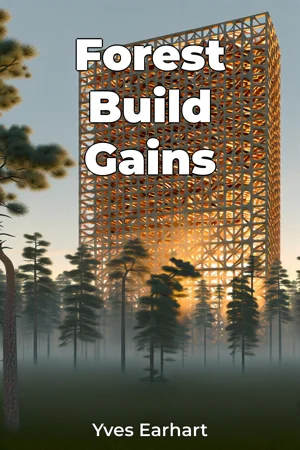
"Forest Build Gains" presents a data-driven analysis of wood construction's role in addressing both climate change and economic efficiency in modern architecture. Through comprehensive research and case studies, the book examines how timber construction methods are reshaping sustainable building practices. The work centers on three key areas: carbon sequestration in wooden structures, operational energy efficiency, and the economic advantages of wood-based construction. Drawing from multiple environmental impact studies, the book demonstrates how wooden buildings can store between 30-50% more carbon than conventional concrete structures of similar size. This finding forms the foundation for exploring broader implications in climate change mitigation strategies. The historical context traces wood's evolution as a building material, from traditional timber frame construction to modern engineered wood products like cross-laminated timber (CLT) and mass timber systems. The book provides technical background on these materials' properties, helping readers understand their structural capabilities and environmental benefits. The central thesis argues that widespread adoption of wood-based construction techniques in urban development could reduce global construction-related carbon emissions by up to 31% by 2050, while simultaneously creating economic advantages through reduced construction time and lower energy costs. Structured in four main sections, the book first establishes the scientific basis for wood's environmental benefits, including its carbon storage capacity and reduced manufacturing emissions compared to steel and concrete. The second section analyzes operational energy efficiency, presenting thermal performance data from buildings across different climate zones. The third part examines economic implications, featuring cost-benefit analyses from recent construction projects. The final section outlines implementation strategies for architects, developers, and policymakers. The research draws from multiple sources, including environmental impact assessments, building performance studies, and economic analyses from projects in North America, Europe, and Asia. The book incorporates data from forestry management studies to address sustainability concerns about timber sourcing. Interdisciplinary connections link architecture with environmental science, economics, and public policy. The text explores how these intersections influence building codes, urban planning decisions, and climate action policies. The book distinguishes itself through its quantitative approach, providing specific metrics for environmental and economic benefits rather than general sustainability claims. It maintains an academic tone while remaining accessible to professionals and informed general readers. Written for architects, urban planners, developers, and environmental policy makers, the content serves both as a practical guide and a research-based reference. The book addresses common misconceptions about wooden buildings' durability and fire resistance, presenting current testing data and modern building techniques. The scope encompasses both new construction and renovation projects, though it focuses primarily on commercial and multi-story residential buildings. While acknowledging regional variations in building practices and regulations, the book provides broadly applicable principles and strategies. Practical applications include detailed guidelines for material selection, construction techniques, and cost optimization. Case studies feature successful projects that demonstrate the principles in action, including specific metrics on carbon reduction and energy savings. The work addresses ongoing debates about forest management and wood sourcing sustainability, presenting evidence-based solutions for responsible resource management while maintaining construction industry demands. Throughout its analysis, the book maintains a balanced perspective, acknowledging both the benefits and challenges of increased wood construction while providing data-supported solutions for common concerns.
"Forest Build Gains" presents a data-driven analysis of wood construction's role in addressing both climate change and economic efficiency in modern architecture. Through comprehensive research and case studies, the book examines how timber construction methods are reshaping sustainable building practices. The work centers on three key areas: carbon sequestration in wooden structures, operational energy efficiency, and the economic advantages of wood-based construction. Drawing from multiple environmental impact studies, the book demonstrates how wooden buildings can store between 30-50% more carbon than conventional concrete structures of similar size. This finding forms the foundation for exploring broader implications in climate change mitigation strategies. The historical context traces wood's evolution as a building material, from traditional timber frame construction to modern engineered wood products like cross-laminated timber (CLT) and mass timber systems. The book provides technical background on these materials' properties, helping readers understand their structural capabilities and environmental benefits. The central thesis argues that widespread adoption of wood-based construction techniques in urban development could reduce global construction-related carbon emissions by up to 31% by 2050, while simultaneously creating economic advantages through reduced construction time and lower energy costs. Structured in four main sections, the book first establishes the scientific basis for wood's environmental benefits, including its carbon storage capacity and reduced manufacturing emissions compared to steel and concrete. The second section analyzes operational energy efficiency, presenting thermal performance data from buildings across different climate zones. The third part examines economic implications, featuring cost-benefit analyses from recent construction projects. The final section outlines implementation strategies for architects, developers, and policymakers. The research draws from multiple sources, including environmental impact assessments, building performance studies, and economic analyses from projects in North America, Europe, and Asia. The book incorporates data from forestry management studies to address sustainability concerns about timber sourcing. Interdisciplinary connections link architecture with environmental science, economics, and public policy. The text explores how these intersections influence building codes, urban planning decisions, and climate action policies. The book distinguishes itself through its quantitative approach, providing specific metrics for environmental and economic benefits rather than general sustainability claims. It maintains an academic tone while remaining accessible to professionals and informed general readers. Written for architects, urban planners, developers, and environmental policy makers, the content serves both as a practical guide and a research-based reference. The book addresses common misconceptions about wooden buildings' durability and fire resistance, presenting current testing data and modern building techniques. The scope encompasses both new construction and renovation projects, though it focuses primarily on commercial and multi-story residential buildings. While acknowledging regional variations in building practices and regulations, the book provides broadly applicable principles and strategies. Practical applications include detailed guidelines for material selection, construction techniques, and cost optimization. Case studies feature successful projects that demonstrate the principles in action, including specific metrics on carbon reduction and energy savings. The work addresses ongoing debates about forest management and wood sourcing sustainability, presenting evidence-based solutions for responsible resource management while maintaining construction industry demands. Throughout its analysis, the book maintains a balanced perspective, acknowledging both the benefits and challenges of increased wood construction while providing data-supported solutions for common concerns.
"Forest Build Gains" presents a groundbreaking exploration of timber construction's dual role in combating climate change and enhancing economic efficiency in modern architecture. Through rigorous analysis and real-world case studies, the book reveals how wooden buildings can store up to 50% more carbon than their concrete counterparts, while potentially reducing global construction-related carbon emissions by 31% by 2050. The book progresses systematically through four main sections, beginning with the scientific foundations of wood's environmental benefits and carbon storage capacity. It then delves into operational energy efficiency across different climate zones, followed by detailed economic analyses of construction projects, and concludes with practical implementation strategies. The evolution of timber construction is thoroughly examined, from traditional methods to cutting-edge technologies like cross-laminated timber (CLT) and mass timber systems, providing readers with a comprehensive understanding of both historical context and modern applications. What sets this work apart is its data-driven approach to sustainable architecture, offering specific metrics rather than general claims. The book addresses crucial concerns about wooden buildings' durability and fire resistance while providing evidence-based solutions for sustainable forest management. Written for professionals in architecture, urban planning, and environmental policy, it serves as both a practical guide and an authoritative reference, balancing technical expertise with accessibility to inform the future of sustainable construction.
Book Details
ISBN
9788233946395
Publisher
Publifye AS
Your Licenses
You don't own any licenses for this book
Purchase a license below to unlock this book and download the EPUB.
Purchase License
Select a tier to unlock this book
Need bulk licensing?
Contact us for enterprise agreements.