
About This Book
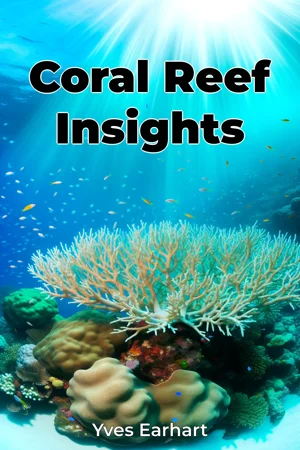
"Coral Reef Insights" examines the intricate biological systems that have shaped marine ecosystems for millions of years, offering a detailed analysis of how coral reefs—which occupy less than 1% of the ocean floor—support nearly 25% of all marine species. The book presents three core themes: the biological mechanisms of coral growth and reef formation, the complex symbiotic relationships within reef ecosystems, and the current challenges threatening these marine communities. Through detailed research and long-term studies, readers gain understanding of both the resilience and vulnerability of these systems. Beginning with coral polyp biology, the text explores the calcium carbonate deposition process that creates reef structures, incorporating recent findings from marine biology laboratories worldwide. The book examines how environmental factors, including temperature, light penetration, and water chemistry, influence coral growth rates and reef development. The central argument posits that coral reefs serve as indicator systems for ocean health, reflecting broader changes in marine environments. This perspective is supported by extensive data from the Great Barrier Reef, Caribbean systems, and Indo-Pacific regions, incorporating satellite imagery, chemical analysis, and long-term population studies of reef organisms. The content progresses through three major sections: First, the fundamental biology of coral species and reef formation; second, the ecological relationships and biodiversity within reef systems; and third, the anthropogenic and natural threats facing these ecosystems. Each section integrates current research with historical data to demonstrate changes over time. The book connects marine biology with climatology, oceanography, and environmental science, demonstrating how atmospheric carbon dioxide levels affect ocean acidification and subsequent coral calcification rates. These interdisciplinary links provide context for understanding broader environmental changes. Research evidence includes data from coral core samples, genetic studies of symbiotic zooxanthellae, and marine population surveys. The methodology combines traditional reef monitoring with advanced techniques such as satellite temperature mapping and chemical analysis of ocean acidification. Written in an academic yet accessible style, the text balances technical detail with clear explanations suitable for both researchers and informed general readers. The book serves marine biology students, environmental scientists, and conservation professionals while remaining accessible to interested non-specialists. The scope encompasses both shallow and deep-water coral systems, though it focuses primarily on tropical reef ecosystems where human impact and climate effects are most pronounced. The book addresses current debates in coral reef science, including the effectiveness of various conservation strategies and the potential for coral adaptation to changing conditions. Practical applications include protocols for reef monitoring, conservation planning, and coastal management. The book provides frameworks for assessing reef health and implementing protection measures, making it valuable for marine park managers and environmental policy makers. The text maintains objectivity when discussing controversial topics such as reef restoration methods and the balance between coastal development and marine protection. It presents multiple perspectives on conservation approaches while remaining grounded in peer-reviewed research and documented case studies. This comprehensive examination of coral reef ecosystems offers readers the tools to understand these complex systems and contribute to their preservation, whether through research, policy-making, or informed environmental stewardship.
"Coral Reef Insights" examines the intricate biological systems that have shaped marine ecosystems for millions of years, offering a detailed analysis of how coral reefs—which occupy less than 1% of the ocean floor—support nearly 25% of all marine species. The book presents three core themes: the biological mechanisms of coral growth and reef formation, the complex symbiotic relationships within reef ecosystems, and the current challenges threatening these marine communities. Through detailed research and long-term studies, readers gain understanding of both the resilience and vulnerability of these systems. Beginning with coral polyp biology, the text explores the calcium carbonate deposition process that creates reef structures, incorporating recent findings from marine biology laboratories worldwide. The book examines how environmental factors, including temperature, light penetration, and water chemistry, influence coral growth rates and reef development. The central argument posits that coral reefs serve as indicator systems for ocean health, reflecting broader changes in marine environments. This perspective is supported by extensive data from the Great Barrier Reef, Caribbean systems, and Indo-Pacific regions, incorporating satellite imagery, chemical analysis, and long-term population studies of reef organisms. The content progresses through three major sections: First, the fundamental biology of coral species and reef formation; second, the ecological relationships and biodiversity within reef systems; and third, the anthropogenic and natural threats facing these ecosystems. Each section integrates current research with historical data to demonstrate changes over time. The book connects marine biology with climatology, oceanography, and environmental science, demonstrating how atmospheric carbon dioxide levels affect ocean acidification and subsequent coral calcification rates. These interdisciplinary links provide context for understanding broader environmental changes. Research evidence includes data from coral core samples, genetic studies of symbiotic zooxanthellae, and marine population surveys. The methodology combines traditional reef monitoring with advanced techniques such as satellite temperature mapping and chemical analysis of ocean acidification. Written in an academic yet accessible style, the text balances technical detail with clear explanations suitable for both researchers and informed general readers. The book serves marine biology students, environmental scientists, and conservation professionals while remaining accessible to interested non-specialists. The scope encompasses both shallow and deep-water coral systems, though it focuses primarily on tropical reef ecosystems where human impact and climate effects are most pronounced. The book addresses current debates in coral reef science, including the effectiveness of various conservation strategies and the potential for coral adaptation to changing conditions. Practical applications include protocols for reef monitoring, conservation planning, and coastal management. The book provides frameworks for assessing reef health and implementing protection measures, making it valuable for marine park managers and environmental policy makers. The text maintains objectivity when discussing controversial topics such as reef restoration methods and the balance between coastal development and marine protection. It presents multiple perspectives on conservation approaches while remaining grounded in peer-reviewed research and documented case studies. This comprehensive examination of coral reef ecosystems offers readers the tools to understand these complex systems and contribute to their preservation, whether through research, policy-making, or informed environmental stewardship.
"Coral Reef Insights" presents a comprehensive exploration of one of Earth's most fascinating and vital marine ecosystems. This engaging examination reveals how coral reefs, despite occupying less than 1% of the ocean floor, serve as home to an astounding quarter of all marine species, making them crucial indicators of overall ocean health. The book masterfully weaves together three interconnected themes: coral biology and reef formation, complex ecological relationships, and pressing environmental challenges. Through a carefully structured progression, readers journey from the microscopic world of coral polyps to the grand scale of global marine ecosystems. The text illuminates fascinating processes like calcium carbonate deposition and the intricate symbiotic relationships between corals and zooxanthellae, while incorporating cutting-edge research from the Great Barrier Reef, Caribbean, and Indo-Pacific regions. Advanced research techniques, including satellite imaging and chemical analysis, provide readers with a modern understanding of these ancient systems. The book distinguishes itself by bridging the gap between academic research and practical conservation, making complex marine biology concepts accessible to both scientists and informed enthusiasts. By connecting coral reef health to broader environmental issues like ocean acidification and climate change, it offers valuable insights for conservation professionals, students, and policymakers. The integration of traditional reef monitoring methods with contemporary research approaches provides a comprehensive framework for understanding and protecting these vital marine ecosystems.
Book Details
ISBN
9788233946272
Publisher
Publifye AS
Your Licenses
You don't own any licenses for this book
Purchase a license below to unlock this book and download the EPUB.
Purchase License
Select a tier to unlock this book
Need bulk licensing?
Contact us for enterprise agreements.