
About This Book
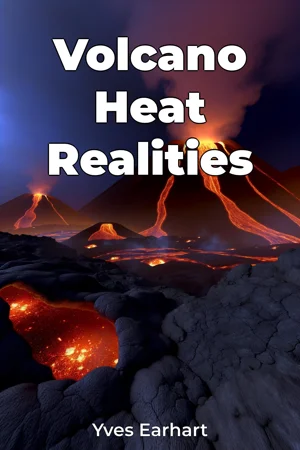
"Volcano Heat Realities" investigates the intricate relationships between volcanic systems, tectonic processes, and geothermal dynamics that continuously reshape Earth's surface. Drawing from recent geological research and field studies, this comprehensive examination reveals how these forces interact to create and modify our planet's topography. The book presents three core themes: the mechanics of magma movement through the Earth's crust, the relationship between volcanic activity and plate tectonics, and the role of heat transfer in volcanic systems. These interconnected processes form the foundation for understanding both active volcanoes and ancient volcanic structures that have shaped our current landscapes. Beginning with fundamental concepts in volcanology, the text progresses through increasingly complex geological processes. The first section establishes basic principles of rock mechanics and magma composition, providing readers with essential knowledge for understanding subsequent chapters. The second section explores how tectonic forces influence volcanic activity, examining case studies from various geological settings worldwide. The final section analyzes heat flow patterns in volcanic systems and their effects on surrounding environments. Supporting evidence comes from multiple sources, including seismic data, satellite imagery, and chemical analysis of volcanic rocks. The book incorporates findings from recent scientific expeditions to active volcanic regions, presenting current understanding of magmatic processes. Technical data is presented alongside practical interpretations, making complex concepts accessible to both geology students and interested general readers. The work connects traditional geological concepts with modern applications in geothermal energy development, hazard assessment, and climate science. These connections demonstrate the practical relevance of volcanic studies to contemporary environmental and energy challenges. The text maintains a balanced perspective on controversial topics such as volcanic prediction methods and the role of volcanism in climate change. Written in a structured, technical style that emphasizes clarity, the book provides detailed explanations while avoiding unnecessary jargon. Each chapter includes relevant diagrams, maps, and photographs that illustrate key concepts. Technical terms are carefully defined and contextualized to ensure comprehension. The target audience includes undergraduate geology students, environmental scientists, and professionals working in related fields such as civil engineering or natural resource management. The book assumes basic knowledge of earth sciences but provides sufficient background information for readers from other scientific disciplines. Research methodology sections detail various techniques used in volcanic studies, from traditional field mapping to modern remote sensing technologies. This approach helps readers understand how scientists gather and interpret data about volcanic systems. The book also addresses limitations in current monitoring technologies and areas where additional research is needed. Practical applications focus on hazard assessment, geothermal resource evaluation, and land-use planning in volcanic regions. Case studies demonstrate how understanding volcanic processes aids in risk management and resource utilization. The text examines both successful and unsuccessful approaches to volcanic monitoring and prediction, providing balanced analysis of current capabilities and limitations. The scope encompasses both active and extinct volcanic systems worldwide, though it focuses primarily on subaerial volcanism rather than submarine volcanic activity. This limitation allows for more detailed treatment of accessible volcanic features and their implications for surface processes. The book addresses ongoing debates in volcanology, including discussions about magma chamber dynamics and the reliability of various monitoring techniques. These topics are presented objectively, acknowledging areas of scientific uncertainty while explaining the evidence supporting current theories.
"Volcano Heat Realities" investigates the intricate relationships between volcanic systems, tectonic processes, and geothermal dynamics that continuously reshape Earth's surface. Drawing from recent geological research and field studies, this comprehensive examination reveals how these forces interact to create and modify our planet's topography. The book presents three core themes: the mechanics of magma movement through the Earth's crust, the relationship between volcanic activity and plate tectonics, and the role of heat transfer in volcanic systems. These interconnected processes form the foundation for understanding both active volcanoes and ancient volcanic structures that have shaped our current landscapes. Beginning with fundamental concepts in volcanology, the text progresses through increasingly complex geological processes. The first section establishes basic principles of rock mechanics and magma composition, providing readers with essential knowledge for understanding subsequent chapters. The second section explores how tectonic forces influence volcanic activity, examining case studies from various geological settings worldwide. The final section analyzes heat flow patterns in volcanic systems and their effects on surrounding environments. Supporting evidence comes from multiple sources, including seismic data, satellite imagery, and chemical analysis of volcanic rocks. The book incorporates findings from recent scientific expeditions to active volcanic regions, presenting current understanding of magmatic processes. Technical data is presented alongside practical interpretations, making complex concepts accessible to both geology students and interested general readers. The work connects traditional geological concepts with modern applications in geothermal energy development, hazard assessment, and climate science. These connections demonstrate the practical relevance of volcanic studies to contemporary environmental and energy challenges. The text maintains a balanced perspective on controversial topics such as volcanic prediction methods and the role of volcanism in climate change. Written in a structured, technical style that emphasizes clarity, the book provides detailed explanations while avoiding unnecessary jargon. Each chapter includes relevant diagrams, maps, and photographs that illustrate key concepts. Technical terms are carefully defined and contextualized to ensure comprehension. The target audience includes undergraduate geology students, environmental scientists, and professionals working in related fields such as civil engineering or natural resource management. The book assumes basic knowledge of earth sciences but provides sufficient background information for readers from other scientific disciplines. Research methodology sections detail various techniques used in volcanic studies, from traditional field mapping to modern remote sensing technologies. This approach helps readers understand how scientists gather and interpret data about volcanic systems. The book also addresses limitations in current monitoring technologies and areas where additional research is needed. Practical applications focus on hazard assessment, geothermal resource evaluation, and land-use planning in volcanic regions. Case studies demonstrate how understanding volcanic processes aids in risk management and resource utilization. The text examines both successful and unsuccessful approaches to volcanic monitoring and prediction, providing balanced analysis of current capabilities and limitations. The scope encompasses both active and extinct volcanic systems worldwide, though it focuses primarily on subaerial volcanism rather than submarine volcanic activity. This limitation allows for more detailed treatment of accessible volcanic features and their implications for surface processes. The book addresses ongoing debates in volcanology, including discussions about magma chamber dynamics and the reliability of various monitoring techniques. These topics are presented objectively, acknowledging areas of scientific uncertainty while explaining the evidence supporting current theories.
"Volcano Heat Realities" offers a comprehensive exploration of Earth's volcanic systems, focusing on the complex interplay between magma dynamics, tectonic processes, and heat transfer mechanisms. This authoritative work bridges fundamental geological concepts with cutting-edge research, presenting a detailed examination of how volcanic forces continually reshape our planet's surface. The book uniquely combines technical precision with accessibility, making complex volcanological concepts understandable for both geology students and professionals in related fields. The text progresses logically through three main themes, beginning with essential concepts of rock mechanics and magma composition before delving into more complex interactions between plate tectonics and volcanic activity. The final section examines heat flow patterns in volcanic systems, incorporating evidence from seismic data, satellite imagery, and chemical analysis of volcanic rocks. Throughout the book, real-world case studies and practical applications demonstrate the relevance of volcanic studies to contemporary challenges in hazard assessment, geothermal energy development, and climate science. What sets this book apart is its balanced approach to controversial topics and its integration of traditional geological concepts with modern applications. The inclusion of diverse research methodologies, from field mapping to remote sensing technologies, provides readers with a comprehensive understanding of how scientists study volcanic systems. While maintaining technical accuracy, the book successfully avoids unnecessary jargon, making it an invaluable resource for understanding the dynamic processes that drive volcanic activity and their implications for both natural systems and human society.
Book Details
ISBN
9788233946258
Publisher
Publifye AS
Your Licenses
You don't own any licenses for this book
Purchase a license below to unlock this book and download the EPUB.
Purchase License
Select a tier to unlock this book
Need bulk licensing?
Contact us for enterprise agreements.