
About This Book
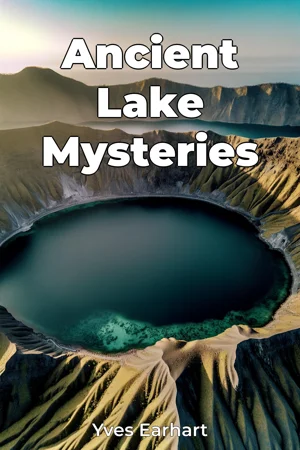
"Ancient Lake Mysteries" examines how isolated lakes serve as natural laboratories for understanding evolution, adaptation, and ecosystem dynamics. Through detailed analysis of geological records and contemporary limnological studies, this book reveals how these enclosed aquatic systems have shaped unique life forms and preserved biological histories spanning millions of years. The work focuses on three primary areas: the geological formation of isolated lakes, the evolutionary processes that drive species adaptation in these environments, and the complex ecological relationships that develop in closed aquatic systems. These topics intersect to demonstrate how isolated lakes function as independent worlds, offering insights into broader biological principles and environmental change. The book builds its foundation on extensive research from long-term studies of notable isolated lakes, including Lake Baikal, Lake Vostok, and crater lakes of Nicaragua. These case studies provide evidence of how geographical isolation leads to distinct evolutionary pathways and specialized organism development. Through core samples, sediment analysis, and modern monitoring techniques, the book presents data spanning thousands of years of ecological history. Each chapter progresses systematically through the formation, development, and current state of isolated lake systems. The initial sections address geological processes that create and maintain these lakes, followed by detailed examination of endemic species adaptation. The final portions explore current research methodologies and conservation challenges facing these unique ecosystems. The research methodology combines traditional limnological sampling with advanced genetic analysis and paleontological studies. This multi-disciplinary approach incorporates data from sediment cores, fossil records, and DNA analysis of current species, providing a comprehensive view of these ecosystems' development over time. The book connects biology with geology, chemistry, and climate science, demonstrating how these fields contribute to understanding isolated lake ecosystems. This interdisciplinary perspective helps readers grasp the complex interactions that shape these environments. Written in an academic yet accessible style, the text balances technical detail with clear explanations suitable for readers with a basic science background. It serves as a valuable resource for limnologists, evolutionary biologists, and environmental scientists while remaining accessible to informed general readers interested in natural history and ecosystem development. The work addresses current debates in the field, including questions about speciation rates in isolated environments and the impact of climate change on closed ecosystems. It presents competing theories where appropriate, allowing readers to understand the ongoing scientific discourse. The practical applications extend to conservation biology, water resource management, and climate change studies. The book demonstrates how understanding isolated lake systems can inform broader environmental protection strategies and ecosystem management practices. Particular attention is given to the limitations of current research methods and gaps in our understanding of these systems. The book acknowledges areas where further study is needed, providing direction for future research while maintaining focus on well-documented findings. The target audience includes professional scientists, graduate students, and environmental managers who require detailed understanding of aquatic ecosystem dynamics. The book also serves natural history enthusiasts seeking deeper knowledge of specialized biological systems. This comprehensive examination of isolated lake ecosystems contributes to our understanding of evolution, adaptation, and environmental change, while providing practical insights for conservation and ecosystem management.
"Ancient Lake Mysteries" examines how isolated lakes serve as natural laboratories for understanding evolution, adaptation, and ecosystem dynamics. Through detailed analysis of geological records and contemporary limnological studies, this book reveals how these enclosed aquatic systems have shaped unique life forms and preserved biological histories spanning millions of years. The work focuses on three primary areas: the geological formation of isolated lakes, the evolutionary processes that drive species adaptation in these environments, and the complex ecological relationships that develop in closed aquatic systems. These topics intersect to demonstrate how isolated lakes function as independent worlds, offering insights into broader biological principles and environmental change. The book builds its foundation on extensive research from long-term studies of notable isolated lakes, including Lake Baikal, Lake Vostok, and crater lakes of Nicaragua. These case studies provide evidence of how geographical isolation leads to distinct evolutionary pathways and specialized organism development. Through core samples, sediment analysis, and modern monitoring techniques, the book presents data spanning thousands of years of ecological history. Each chapter progresses systematically through the formation, development, and current state of isolated lake systems. The initial sections address geological processes that create and maintain these lakes, followed by detailed examination of endemic species adaptation. The final portions explore current research methodologies and conservation challenges facing these unique ecosystems. The research methodology combines traditional limnological sampling with advanced genetic analysis and paleontological studies. This multi-disciplinary approach incorporates data from sediment cores, fossil records, and DNA analysis of current species, providing a comprehensive view of these ecosystems' development over time. The book connects biology with geology, chemistry, and climate science, demonstrating how these fields contribute to understanding isolated lake ecosystems. This interdisciplinary perspective helps readers grasp the complex interactions that shape these environments. Written in an academic yet accessible style, the text balances technical detail with clear explanations suitable for readers with a basic science background. It serves as a valuable resource for limnologists, evolutionary biologists, and environmental scientists while remaining accessible to informed general readers interested in natural history and ecosystem development. The work addresses current debates in the field, including questions about speciation rates in isolated environments and the impact of climate change on closed ecosystems. It presents competing theories where appropriate, allowing readers to understand the ongoing scientific discourse. The practical applications extend to conservation biology, water resource management, and climate change studies. The book demonstrates how understanding isolated lake systems can inform broader environmental protection strategies and ecosystem management practices. Particular attention is given to the limitations of current research methods and gaps in our understanding of these systems. The book acknowledges areas where further study is needed, providing direction for future research while maintaining focus on well-documented findings. The target audience includes professional scientists, graduate students, and environmental managers who require detailed understanding of aquatic ecosystem dynamics. The book also serves natural history enthusiasts seeking deeper knowledge of specialized biological systems. This comprehensive examination of isolated lake ecosystems contributes to our understanding of evolution, adaptation, and environmental change, while providing practical insights for conservation and ecosystem management.
"Ancient Lake Mysteries" offers a fascinating exploration of isolated lakes as natural laboratories for studying evolution and ecosystem dynamics. These enclosed aquatic environments, functioning as independent worlds, provide unique insights into how species adapt and evolve over millions of years. The book masterfully weaves together evidence from iconic examples like Lake Baikal and Lake Vostok, demonstrating how geographical isolation creates distinct evolutionary pathways and specialized organisms. Through a multidisciplinary lens, the book progresses from the geological formation of isolated lakes to the intricate processes of species adaptation, culminating in an examination of modern conservation challenges. The research methodology combines traditional limnological sampling with cutting-edge genetic analysis and paleontological studies, offering readers a comprehensive view of these remarkable ecosystems. Core samples and sediment analysis reveal thousands of years of ecological history, while DNA studies illuminate current species development. The text bridges multiple scientific disciplines, including biology, geology, and climate science, making complex concepts accessible to readers with basic scientific knowledge. What sets this book apart is its thorough integration of long-term research data with contemporary environmental concerns, providing valuable insights for both academic understanding and practical conservation efforts. This approach makes it an invaluable resource for scientists, environmental managers, and natural history enthusiasts seeking to understand the broader implications of these unique aquatic systems for environmental protection and ecosystem management.
Book Details
ISBN
9788233946173
Publisher
Publifye AS
Your Licenses
You don't own any licenses for this book
Purchase a license below to unlock this book and download the EPUB.
Purchase License
Select a tier to unlock this book
Need bulk licensing?
Contact us for enterprise agreements.