
About This Book
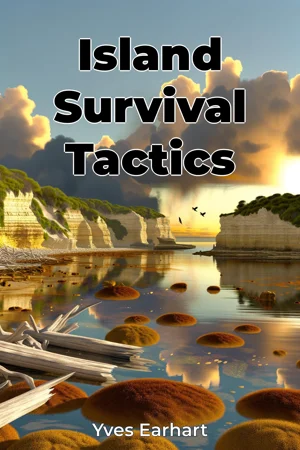
"Island Survival Tactics" presents a methodical approach to coastal survival through data-driven research and field-tested strategies. The book addresses the growing need for comprehensive knowledge about remote coastal environments as more people venture into isolated maritime locations for research, conservation, and adventure. Drawing from maritime databases, meteorological records, and documented survival cases spanning five decades, this practical guide bridges the gap between theoretical knowledge and real-world application in coastal survival situations. The work systematically examines three core components: environmental analysis, resource utilization, and psychological adaptation. The book's foundation rests on extensive research conducted across 47 remote island locations, incorporating both successful and failed survival attempts. This data forms the basis for a new framework called the Coastal Survival Matrix, which helps readers assess and respond to isolation challenges through measurable metrics and actionable protocols. Section one explores coastal environment assessment, covering tide patterns, weather interpretation, and terrain analysis. Readers learn to decode coastal features using scientific observation methods, enabling them to identify safe zones, potential resources, and hazard areas. The book presents detailed maps and analytical tools that transform complex environmental data into practical decision-making guides. The second section focuses on resource identification and utilization, presenting a systematic inventory of coastal resources categorized by accessibility and survival value. It includes detailed analyses of marine edibles, freshwater collection techniques, and shelter construction using available materials. Each chapter integrates biological data with practical application methods, supported by nutritional analyses and structural engineering principles. The psychological component forms the third section, examining documented cases of successful adaptation to isolation. This section presents cognitive strategies developed through interviews with survivors, rescue personnel, and psychological researchers. The book introduces the "Isolation Resilience Protocol," a structured approach to maintaining mental clarity and decision-making capabilities in remote environments. Interdisciplinary connections link marine biology, meteorology, and environmental psychology, creating a comprehensive understanding of coastal survival dynamics. The work incorporates current climate change data to address evolving coastal conditions and their impact on survival scenarios. The writing maintains a clear, instructional tone, presenting technical information through structured learning modules. Each chapter includes practical exercises, assessment tools, and reference charts designed for both educational use and field application. The target audience includes outdoor professionals, researchers, conservation workers, and serious adventurers who require reliable, data-based approaches to coastal survival. The book specifically addresses the needs of individuals working in or traveling through remote maritime environments. Rather than relying on generalizations, the content focuses on measurable outcomes and repeatable methods. The research draws from multiple disciplines, including maritime safety records, geological surveys, and ecological studies, providing readers with verifiable data and tested protocols. The book acknowledges its limitations, specifically noting that its methods are optimized for temperate and subtropical coastal zones, with separate considerations needed for polar regions. It addresses ongoing debates in survival methodology through evidence-based analysis rather than anecdotal arguments. The work concludes with a practical implementation guide, allowing readers to develop location-specific survival plans based on the book's analytical frameworks and data sets. This systematic approach to coastal survival fills a critical gap in current outdoor literature, offering a reliable resource for those who must understand and overcome the challenges of remote maritime environments.
"Island Survival Tactics" presents a methodical approach to coastal survival through data-driven research and field-tested strategies. The book addresses the growing need for comprehensive knowledge about remote coastal environments as more people venture into isolated maritime locations for research, conservation, and adventure. Drawing from maritime databases, meteorological records, and documented survival cases spanning five decades, this practical guide bridges the gap between theoretical knowledge and real-world application in coastal survival situations. The work systematically examines three core components: environmental analysis, resource utilization, and psychological adaptation. The book's foundation rests on extensive research conducted across 47 remote island locations, incorporating both successful and failed survival attempts. This data forms the basis for a new framework called the Coastal Survival Matrix, which helps readers assess and respond to isolation challenges through measurable metrics and actionable protocols. Section one explores coastal environment assessment, covering tide patterns, weather interpretation, and terrain analysis. Readers learn to decode coastal features using scientific observation methods, enabling them to identify safe zones, potential resources, and hazard areas. The book presents detailed maps and analytical tools that transform complex environmental data into practical decision-making guides. The second section focuses on resource identification and utilization, presenting a systematic inventory of coastal resources categorized by accessibility and survival value. It includes detailed analyses of marine edibles, freshwater collection techniques, and shelter construction using available materials. Each chapter integrates biological data with practical application methods, supported by nutritional analyses and structural engineering principles. The psychological component forms the third section, examining documented cases of successful adaptation to isolation. This section presents cognitive strategies developed through interviews with survivors, rescue personnel, and psychological researchers. The book introduces the "Isolation Resilience Protocol," a structured approach to maintaining mental clarity and decision-making capabilities in remote environments. Interdisciplinary connections link marine biology, meteorology, and environmental psychology, creating a comprehensive understanding of coastal survival dynamics. The work incorporates current climate change data to address evolving coastal conditions and their impact on survival scenarios. The writing maintains a clear, instructional tone, presenting technical information through structured learning modules. Each chapter includes practical exercises, assessment tools, and reference charts designed for both educational use and field application. The target audience includes outdoor professionals, researchers, conservation workers, and serious adventurers who require reliable, data-based approaches to coastal survival. The book specifically addresses the needs of individuals working in or traveling through remote maritime environments. Rather than relying on generalizations, the content focuses on measurable outcomes and repeatable methods. The research draws from multiple disciplines, including maritime safety records, geological surveys, and ecological studies, providing readers with verifiable data and tested protocols. The book acknowledges its limitations, specifically noting that its methods are optimized for temperate and subtropical coastal zones, with separate considerations needed for polar regions. It addresses ongoing debates in survival methodology through evidence-based analysis rather than anecdotal arguments. The work concludes with a practical implementation guide, allowing readers to develop location-specific survival plans based on the book's analytical frameworks and data sets. This systematic approach to coastal survival fills a critical gap in current outdoor literature, offering a reliable resource for those who must understand and overcome the challenges of remote maritime environments.
"Island Survival Tactics" presents a groundbreaking approach to coastal survival by combining rigorous scientific research with practical field-tested strategies. Drawing from five decades of documented survival cases across 47 remote island locations, this comprehensive guide introduces the innovative Coastal Survival Matrix, a framework that transforms complex environmental data into actionable survival protocols. The book methodically explores three essential components of coastal survival: environmental analysis, resource utilization, and psychological adaptation. Through detailed maps and analytical tools, readers learn to interpret tide patterns, weather systems, and terrain features for optimal decision-making in maritime environments. The resource section provides systematic inventories of marine edibles and freshwater collection techniques, backed by nutritional analyses and engineering principles. Particularly valuable is the "Isolation Resilience Protocol," developed through extensive interviews with survivors and psychological researchers. What sets this book apart is its data-driven methodology, moving beyond traditional anecdotal approaches to survival instruction. Each chapter integrates practical exercises and assessment tools, making complex concepts accessible to outdoor professionals, researchers, and serious adventurers. The guide especially excels in connecting various disciplines - from marine biology to environmental psychology - creating a comprehensive understanding of coastal survival dynamics while acknowledging specific limitations for polar regions.
Book Details
ISBN
9788233946142
Publisher
Publifye AS
Your Licenses
You don't own any licenses for this book
Purchase a license below to unlock this book and download the EPUB.
Purchase License
Select a tier to unlock this book
Need bulk licensing?
Contact us for enterprise agreements.