
About This Book
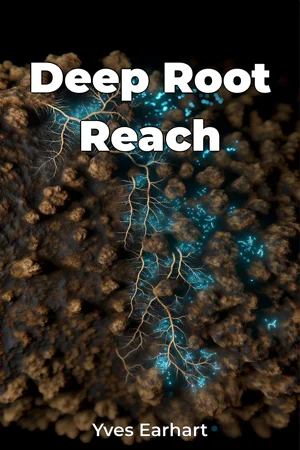
"Deep Root Reach" examines the hidden world beneath our feet, where complex root systems orchestrate the fundamental processes that sustain terrestrial life. Through detailed analysis of root architecture and function, this comprehensive work reveals how plants have evolved sophisticated mechanisms for resource acquisition and environmental adaptation. The book presents three core topics: root system morphology and its evolutionary development, the biochemical processes of nutrient absorption, and the dynamic interactions between roots and soil microorganisms. These subjects are crucial for understanding sustainable agriculture, ecosystem health, and plant survival strategies in changing climates. Drawing from decades of botanical research and recent technological advances in root imaging, the text bridges historical observations dating to the 19th century with current scientific understanding. The central thesis argues that root systems are far more sophisticated than previously recognized, demonstrating complex decision-making abilities in resource allocation and environmental response. The content progresses through systematic examination of root structures, beginning with anatomical features and extending to cellular mechanisms of nutrient transport. Key chapters explore hydraulic lift processes, mycorrhizal partnerships, and root communication networks. The work culminates in analyzing root adaptations to environmental stresses and their implications for agriculture and ecosystem management. Research evidence includes data from electron microscopy, isotope tracking studies, and long-term field observations. The book incorporates findings from major research institutions worldwide, featuring case studies of root behavior in diverse ecosystems, from tropical rainforests to arctic tundra. The interdisciplinary approach connects plant biology with soil science, microbiology, and climate science. This integration provides insights into carbon sequestration, sustainable agriculture, and ecosystem resilience. The text employs a methodical, research-based writing style, maintaining accessibility while preserving scientific rigor. Unique perspectives include new findings on root-fungal relationships, electric signaling between root systems, and the role of root exudates in shaping soil communities. The book challenges traditional views of roots as passive structures, presenting evidence for their active role in ecosystem engineering. Written for botanists, agricultural scientists, and advanced students in plant sciences, the book serves as both a comprehensive reference and a guide to practical applications. It addresses current debates in root biology, including the extent of plant intelligence and the impact of genetic modification on root development. The scope encompasses both theoretical foundations and practical implications, though it primarily focuses on vascular plants in terrestrial systems. Readers can apply the knowledge to agricultural practices, garden management, and ecosystem restoration projects. The work maintains scientific objectivity while addressing controversial topics such as the definition of plant intelligence and the impact of agricultural practices on root health. It provides a balanced examination of competing theories about root development and function, supported by current research data. Through its thorough examination of root systems, "Deep Root Reach" offers vital insights for addressing contemporary challenges in food security, ecosystem preservation, and climate change adaptation. The text demonstrates how understanding root biology is essential for developing sustainable solutions to these pressing global issues.
"Deep Root Reach" examines the hidden world beneath our feet, where complex root systems orchestrate the fundamental processes that sustain terrestrial life. Through detailed analysis of root architecture and function, this comprehensive work reveals how plants have evolved sophisticated mechanisms for resource acquisition and environmental adaptation. The book presents three core topics: root system morphology and its evolutionary development, the biochemical processes of nutrient absorption, and the dynamic interactions between roots and soil microorganisms. These subjects are crucial for understanding sustainable agriculture, ecosystem health, and plant survival strategies in changing climates. Drawing from decades of botanical research and recent technological advances in root imaging, the text bridges historical observations dating to the 19th century with current scientific understanding. The central thesis argues that root systems are far more sophisticated than previously recognized, demonstrating complex decision-making abilities in resource allocation and environmental response. The content progresses through systematic examination of root structures, beginning with anatomical features and extending to cellular mechanisms of nutrient transport. Key chapters explore hydraulic lift processes, mycorrhizal partnerships, and root communication networks. The work culminates in analyzing root adaptations to environmental stresses and their implications for agriculture and ecosystem management. Research evidence includes data from electron microscopy, isotope tracking studies, and long-term field observations. The book incorporates findings from major research institutions worldwide, featuring case studies of root behavior in diverse ecosystems, from tropical rainforests to arctic tundra. The interdisciplinary approach connects plant biology with soil science, microbiology, and climate science. This integration provides insights into carbon sequestration, sustainable agriculture, and ecosystem resilience. The text employs a methodical, research-based writing style, maintaining accessibility while preserving scientific rigor. Unique perspectives include new findings on root-fungal relationships, electric signaling between root systems, and the role of root exudates in shaping soil communities. The book challenges traditional views of roots as passive structures, presenting evidence for their active role in ecosystem engineering. Written for botanists, agricultural scientists, and advanced students in plant sciences, the book serves as both a comprehensive reference and a guide to practical applications. It addresses current debates in root biology, including the extent of plant intelligence and the impact of genetic modification on root development. The scope encompasses both theoretical foundations and practical implications, though it primarily focuses on vascular plants in terrestrial systems. Readers can apply the knowledge to agricultural practices, garden management, and ecosystem restoration projects. The work maintains scientific objectivity while addressing controversial topics such as the definition of plant intelligence and the impact of agricultural practices on root health. It provides a balanced examination of competing theories about root development and function, supported by current research data. Through its thorough examination of root systems, "Deep Root Reach" offers vital insights for addressing contemporary challenges in food security, ecosystem preservation, and climate change adaptation. The text demonstrates how understanding root biology is essential for developing sustainable solutions to these pressing global issues.
"Deep Root Reach" unveils the fascinating underground world of plant root systems, revealing their crucial role in sustaining life on Earth through complex mechanisms of resource acquisition and environmental adaptation. This comprehensive exploration challenges the traditional view of roots as simple structures, presenting compelling evidence of their sophisticated decision-making abilities and intricate relationships with soil ecosystems. The book progresses systematically from root anatomy to advanced concepts like hydraulic lift processes and mycorrhizal partnerships, integrating historical observations with cutting-edge research. Through detailed analysis of electron microscopy data and long-term field studies, readers discover remarkable findings about root-fungal relationships and underground communication networks. Particularly intriguing are the revelations about electric signaling between root systems and the active role of root exudates in shaping soil communities. Written for both scientists and advanced students, this work bridges theoretical understanding with practical applications in sustainable agriculture and ecosystem management. The interdisciplinary approach connects plant biology with soil science and climate research, offering valuable insights for addressing contemporary challenges in food security and environmental preservation. By examining root systems across diverse ecosystems, from rainforests to tundra, the book provides a comprehensive understanding of how these hidden networks contribute to ecosystem resilience and adaptation to changing environments.
Book Details
ISBN
9788233945824
Publisher
Publifye AS
Your Licenses
You don't own any licenses for this book
Purchase a license below to unlock this book and download the EPUB.
Purchase License
Select a tier to unlock this book
Need bulk licensing?
Contact us for enterprise agreements.