
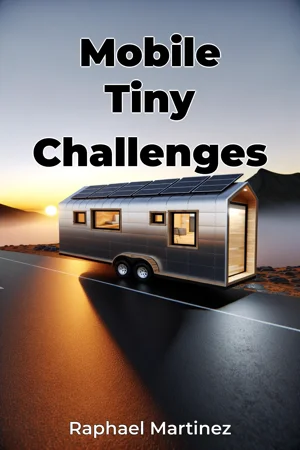
About This Book
"Mobile Tiny Challenges" addresses the growing movement of individuals choosing to live on the road, examining the complex interplay between mobility, safety, and practical living considerations in mobile tiny homes. This comprehensive guide bridges the gap between traditional housing knowledge and the specific demands of mobile living structures. The book focuses on three core areas: towing dynamics and regulatory compliance, structural engineering adaptations for mobile homes, and sustainable travel practices for long-term mobile living. These topics form the foundation for understanding the technical and practical aspects of safe, legal, and comfortable mobile home travel. Drawing from engineering principles, transportation regulations, and real-world experiences, the text presents detailed analyses of weight distribution, aerodynamics, and structural integrity requirements for mobile homes. The historical context spans from early recreational vehicles to modern tiny house movements, incorporating lessons learned from decades of mobile living evolution. The central thesis maintains that successful mobile tiny home living requires a systematic approach to both technical specifications and lifestyle adaptations. This argument is supported through detailed examinations of building codes, transportation laws, and engineering requirements across different regions and jurisdictions. The content progresses through logical phases: initial planning and regulatory understanding, structural considerations and modifications, and practical implementation strategies. Each section includes specific case studies, technical specifications, and regulatory guidelines. The book culminates in a comprehensive framework for mobile tiny home implementation, including checklists and decision-making tools. Research evidence draws from transportation department data, structural engineering studies, and documented experiences of mobile home owners. The methodology combines technical analysis with practical application, utilizing both quantitative data and qualitative insights from experienced mobile dwellers. The work connects engineering principles, environmental science, and social dynamics, demonstrating how mobile living intersects with sustainable practices, economic considerations, and community development. These interdisciplinary connections provide readers with a holistic understanding of mobile living implications. The book's unique approach lies in its integration of technical specifications with practical living solutions, offering readers both theoretical knowledge and applicable strategies. The writing style maintains a balanced technical-practical perspective, making complex information accessible while preserving technical accuracy. Written for both prospective mobile home owners and professionals in related fields, the content serves individuals seeking to understand the technical requirements of mobile living, as well as engineers and designers working in the mobile housing sector. The scope encompasses essential aspects of mobile tiny home implementation while acknowledging regional variations in regulations and requirements. The text addresses current debates regarding zoning laws, building codes, and the classification of mobile tiny homes within existing regulatory frameworks. Practical applications include detailed guides for: - Calculating load distributions and towing requirements - Implementing structural reinforcements for mobile conditions - Developing travel routes considering height, weight, and road restrictions - Managing utility systems during transit - Maintaining structural integrity in varying weather conditions The book acknowledges ongoing discussions about the classification of tiny homes in various jurisdictions and debates regarding appropriate building standards for mobile structures. It presents current regulations while noting the evolving nature of legal frameworks surrounding mobile tiny homes. This resource serves as a technical guide and practical manual for individuals and professionals navigating the complex landscape of mobile tiny home implementation, providing essential information for safe, legal, and practical mobile living solutions.
"Mobile Tiny Challenges" addresses the growing movement of individuals choosing to live on the road, examining the complex interplay between mobility, safety, and practical living considerations in mobile tiny homes. This comprehensive guide bridges the gap between traditional housing knowledge and the specific demands of mobile living structures. The book focuses on three core areas: towing dynamics and regulatory compliance, structural engineering adaptations for mobile homes, and sustainable travel practices for long-term mobile living. These topics form the foundation for understanding the technical and practical aspects of safe, legal, and comfortable mobile home travel. Drawing from engineering principles, transportation regulations, and real-world experiences, the text presents detailed analyses of weight distribution, aerodynamics, and structural integrity requirements for mobile homes. The historical context spans from early recreational vehicles to modern tiny house movements, incorporating lessons learned from decades of mobile living evolution. The central thesis maintains that successful mobile tiny home living requires a systematic approach to both technical specifications and lifestyle adaptations. This argument is supported through detailed examinations of building codes, transportation laws, and engineering requirements across different regions and jurisdictions. The content progresses through logical phases: initial planning and regulatory understanding, structural considerations and modifications, and practical implementation strategies. Each section includes specific case studies, technical specifications, and regulatory guidelines. The book culminates in a comprehensive framework for mobile tiny home implementation, including checklists and decision-making tools. Research evidence draws from transportation department data, structural engineering studies, and documented experiences of mobile home owners. The methodology combines technical analysis with practical application, utilizing both quantitative data and qualitative insights from experienced mobile dwellers. The work connects engineering principles, environmental science, and social dynamics, demonstrating how mobile living intersects with sustainable practices, economic considerations, and community development. These interdisciplinary connections provide readers with a holistic understanding of mobile living implications. The book's unique approach lies in its integration of technical specifications with practical living solutions, offering readers both theoretical knowledge and applicable strategies. The writing style maintains a balanced technical-practical perspective, making complex information accessible while preserving technical accuracy. Written for both prospective mobile home owners and professionals in related fields, the content serves individuals seeking to understand the technical requirements of mobile living, as well as engineers and designers working in the mobile housing sector. The scope encompasses essential aspects of mobile tiny home implementation while acknowledging regional variations in regulations and requirements. The text addresses current debates regarding zoning laws, building codes, and the classification of mobile tiny homes within existing regulatory frameworks. Practical applications include detailed guides for: - Calculating load distributions and towing requirements - Implementing structural reinforcements for mobile conditions - Developing travel routes considering height, weight, and road restrictions - Managing utility systems during transit - Maintaining structural integrity in varying weather conditions The book acknowledges ongoing discussions about the classification of tiny homes in various jurisdictions and debates regarding appropriate building standards for mobile structures. It presents current regulations while noting the evolving nature of legal frameworks surrounding mobile tiny homes. This resource serves as a technical guide and practical manual for individuals and professionals navigating the complex landscape of mobile tiny home implementation, providing essential information for safe, legal, and practical mobile living solutions.
"Mobile Tiny Challenges" delivers a comprehensive exploration of the technical and practical aspects of living in mobile tiny homes, addressing the growing trend of road-based living. The book uniquely combines engineering principles with real-world applications, making complex technical information accessible to both aspiring mobile home owners and industry professionals. Through its systematic approach, readers learn essential aspects of mobile living, from towing dynamics and structural engineering to sustainable travel practices. The text progresses logically from foundational planning and regulatory understanding to detailed technical specifications and implementation strategies. Notable insights include the critical relationship between weight distribution and towing safety, and how structural integrity requirements vary across different jurisdictions. Readers benefit from practical guides covering load calculations, structural reinforcements, and utility management during transit, all supported by real-world case studies and technical data from transportation departments and engineering studies. Throughout its chapters, the book maintains a balanced perspective between technical accuracy and practical application, incorporating valuable insights from experienced mobile dwellers. What sets this resource apart is its holistic treatment of mobile living, connecting engineering principles with environmental considerations and social dynamics. The inclusion of decision-making tools, checklists, and specific case studies makes it an invaluable guide for anyone serious about transitioning to mobile tiny home living while ensuring safety and regulatory compliance.
Book Details
ISBN
9788233945800
Publisher
Publifye AS
Your Licenses
You don't own any licenses for this book
Purchase a license below to unlock this book and download the EPUB.
Purchase License
Select a tier to unlock this book
Need bulk licensing?
Contact us for enterprise agreements.