
About This Book
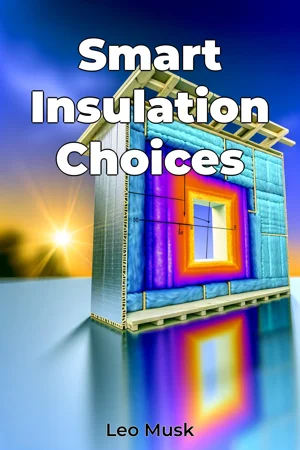
"Smart Insulation Choices" addresses a critical challenge in modern housing: how can tiny homes achieve optimal temperature regulation while maximizing limited space? This comprehensive guide examines the science and practical applications of thermal management in compact living spaces. The book centers on three fundamental aspects of tiny home temperature regulation: insulation effectiveness through R-value optimization, thermal bridging prevention strategies, and the dynamics of airflow management. These interconnected elements form the foundation for creating energy-efficient, comfortable small living spaces. Beginning with a historical perspective on housing insulation, the text traces the evolution from basic materials to current smart insulation technologies. Readers receive essential background in thermal physics principles, including heat transfer mechanisms and the relationship between surface area and energy efficiency in compact spaces. The central thesis maintains that effective temperature regulation in tiny homes requires an integrated approach combining material science, architectural design, and air management systems. This argument is particularly relevant as housing trends shift toward smaller, more sustainable living spaces. The book's structure progresses through three main sections. The first explores R-values in detail, examining various insulation materials and their performance characteristics. The second section addresses thermal bridging, presenting innovative solutions for common structural challenges. The final section covers airflow optimization, including natural ventilation strategies and mechanical systems scaled for tiny homes. Supporting evidence includes thermal imaging studies, energy consumption data from existing tiny homes, and comparative analysis of different insulation systems. The research incorporates findings from the Department of Energy's small housing studies and international tiny home projects. The work connects architecture, environmental science, and mechanical engineering, demonstrating how principles from each field contribute to effective thermal management. These interdisciplinary insights provide readers with a comprehensive understanding of temperature regulation systems. The book distinguishes itself through its focus on space-efficient solutions and the integration of traditional and modern insulation techniques. It presents detailed technical information while maintaining accessibility for both professionals and enthusiasts. Written in a methodical, instructional style, the text balances technical specificity with practical application. Each concept is explained through real-world examples and illustrated with detailed diagrams and thermal mapping visuals. The primary audience includes tiny home builders, architects specializing in small spaces, and homeowners planning compact living spaces. The content serves both as a planning guide and a technical reference for implementation. Following architectural and technical writing conventions, the book includes detailed specifications, construction guidelines, and performance metrics. It maintains scientific accuracy while providing actionable insights for practical application. The scope encompasses both new construction and retrofitting existing tiny homes, though it focuses primarily on residential applications under 400 square feet. The book addresses challenges specific to various climate zones and regional building requirements. Practical applications include step-by-step installation guides, material selection frameworks, and troubleshooting protocols for common thermal issues. Readers learn to calculate optimal insulation requirements and design effective ventilation systems for their specific needs. The text acknowledges ongoing debates about the most effective insulation materials for small spaces and addresses controversies surrounding minimum R-value requirements in different regions. It presents evidence-based recommendations while recognizing that optimal solutions may vary based on specific circumstances and local conditions.
"Smart Insulation Choices" addresses a critical challenge in modern housing: how can tiny homes achieve optimal temperature regulation while maximizing limited space? This comprehensive guide examines the science and practical applications of thermal management in compact living spaces. The book centers on three fundamental aspects of tiny home temperature regulation: insulation effectiveness through R-value optimization, thermal bridging prevention strategies, and the dynamics of airflow management. These interconnected elements form the foundation for creating energy-efficient, comfortable small living spaces. Beginning with a historical perspective on housing insulation, the text traces the evolution from basic materials to current smart insulation technologies. Readers receive essential background in thermal physics principles, including heat transfer mechanisms and the relationship between surface area and energy efficiency in compact spaces. The central thesis maintains that effective temperature regulation in tiny homes requires an integrated approach combining material science, architectural design, and air management systems. This argument is particularly relevant as housing trends shift toward smaller, more sustainable living spaces. The book's structure progresses through three main sections. The first explores R-values in detail, examining various insulation materials and their performance characteristics. The second section addresses thermal bridging, presenting innovative solutions for common structural challenges. The final section covers airflow optimization, including natural ventilation strategies and mechanical systems scaled for tiny homes. Supporting evidence includes thermal imaging studies, energy consumption data from existing tiny homes, and comparative analysis of different insulation systems. The research incorporates findings from the Department of Energy's small housing studies and international tiny home projects. The work connects architecture, environmental science, and mechanical engineering, demonstrating how principles from each field contribute to effective thermal management. These interdisciplinary insights provide readers with a comprehensive understanding of temperature regulation systems. The book distinguishes itself through its focus on space-efficient solutions and the integration of traditional and modern insulation techniques. It presents detailed technical information while maintaining accessibility for both professionals and enthusiasts. Written in a methodical, instructional style, the text balances technical specificity with practical application. Each concept is explained through real-world examples and illustrated with detailed diagrams and thermal mapping visuals. The primary audience includes tiny home builders, architects specializing in small spaces, and homeowners planning compact living spaces. The content serves both as a planning guide and a technical reference for implementation. Following architectural and technical writing conventions, the book includes detailed specifications, construction guidelines, and performance metrics. It maintains scientific accuracy while providing actionable insights for practical application. The scope encompasses both new construction and retrofitting existing tiny homes, though it focuses primarily on residential applications under 400 square feet. The book addresses challenges specific to various climate zones and regional building requirements. Practical applications include step-by-step installation guides, material selection frameworks, and troubleshooting protocols for common thermal issues. Readers learn to calculate optimal insulation requirements and design effective ventilation systems for their specific needs. The text acknowledges ongoing debates about the most effective insulation materials for small spaces and addresses controversies surrounding minimum R-value requirements in different regions. It presents evidence-based recommendations while recognizing that optimal solutions may vary based on specific circumstances and local conditions.
"Smart Insulation Choices" offers a comprehensive exploration of temperature regulation in tiny homes, addressing the unique challenges of maintaining comfort in compact living spaces. The book expertly weaves together the critical elements of thermal management: insulation effectiveness, thermal bridging prevention, and airflow optimization. Through a methodical approach, it demonstrates how these interconnected components work together to create energy-efficient, comfortable small dwellings. The text progresses logically from fundamental concepts to practical applications, beginning with a historical perspective on housing insulation before diving into modern solutions. Particularly fascinating is its examination of R-value optimization in limited spaces and innovative approaches to preventing thermal bridging. The book stands out for its integration of traditional wisdom with cutting-edge technology, supported by thermal imaging studies and real-world energy consumption data from existing tiny homes. Moving from theory to practice, the final sections provide detailed guidance for implementation, including step-by-step installation guides and material selection frameworks tailored for spaces under 400 square feet. What makes this resource especially valuable is its accessibility to both professionals and enthusiasts, combining technical precision with practical applications while addressing specific challenges across different climate zones. The book's interdisciplinary approach, connecting architecture, environmental science, and mechanical engineering, offers readers a complete toolkit for creating efficient, sustainable tiny home environments.
Book Details
ISBN
9788233945794
Publisher
Publifye AS
Your Licenses
You don't own any licenses for this book
Purchase a license below to unlock this book and download the EPUB.
Purchase License
Select a tier to unlock this book
Need bulk licensing?
Contact us for enterprise agreements.