
About This Book
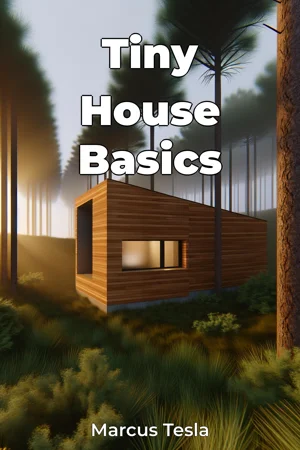
"Tiny House Basics" addresses the fundamental challenge facing modern homeowners: how to create functional, code-compliant living spaces in minimal square footage. This comprehensive guide examines the technical and practical aspects of small-scale residential construction, offering readers a structured approach to building efficient dwellings under 400 square feet. The book centers on three core principles: structural integrity, space optimization, and regulatory compliance. These elements form the foundation for successful tiny house construction, whether for permanent residences or mobile structures. The text demonstrates how traditional building standards can be adapted to smaller scales while maintaining safety and functionality. Historical context is provided through an examination of the small house movement's evolution, from post-war minimal housing to contemporary tiny house communities. This background establishes the framework for understanding current building practices and regulations that influence modern compact dwelling design. The main thesis argues that successful tiny house construction requires a systematic integration of architectural principles, engineering fundamentals, and creative space utilization. The book presents this through detailed technical specifications, architectural drawings, and step-by-step construction sequences. Content is structured in three main sections: foundation systems and structural requirements, interior space planning and utilities integration, and finishing techniques specific to small-scale construction. Each chapter builds upon previous information, creating a logical progression from basic concepts to advanced applications. The text incorporates research from building science institutes, case studies of successful tiny house projects, and data from architectural firms specializing in minimal footprint designs. This evidence-based approach supports all recommended construction methods and material choices. Interdisciplinary connections link architecture, environmental science, and social psychology, examining how compact living spaces affect human behavior and environmental impact. The book also explores the intersection of building technology and sustainable design principles. The unique approach lies in its focus on technical precision while maintaining accessibility for DIY builders and professionals alike. Rather than presenting idealized concepts, it provides practical, tested solutions for common construction challenges in small-scale buildings. Written in a technical yet comprehensible style, the text balances detailed specifications with clear explanations, making complex building concepts accessible to readers with varying levels of construction experience. The primary audience includes professional builders, architecture students, and serious DIY enthusiasts who require detailed technical information for small-scale construction projects. Secondary audiences include urban planners and sustainability advocates interested in alternative housing solutions. Following architectural reference conventions, the book includes technical drawings, material specifications, and building code citations. These elements are presented in a format familiar to construction and design professionals while remaining accessible to non-specialists. The scope covers residential structures under 400 square feet, focusing specifically on permanent foundations and mobile platforms. While addressing alternative construction methods, the book maintains emphasis on code-compliant techniques and industry-standard practices. Practical applications include detailed construction sequences, material selection guides, and troubleshooting methods for common challenges in small-scale building projects. Special attention is given to space-saving techniques and multi-functional design solutions. The text addresses ongoing debates in the construction industry regarding minimum habitable space requirements and building code interpretations for tiny houses. It presents current regulations and potential future developments in small-scale residential construction standards. This technical guide fills a crucial gap in construction literature by providing specific, detailed information for small dwelling construction while maintaining professional standards and regulatory compliance.
"Tiny House Basics" addresses the fundamental challenge facing modern homeowners: how to create functional, code-compliant living spaces in minimal square footage. This comprehensive guide examines the technical and practical aspects of small-scale residential construction, offering readers a structured approach to building efficient dwellings under 400 square feet. The book centers on three core principles: structural integrity, space optimization, and regulatory compliance. These elements form the foundation for successful tiny house construction, whether for permanent residences or mobile structures. The text demonstrates how traditional building standards can be adapted to smaller scales while maintaining safety and functionality. Historical context is provided through an examination of the small house movement's evolution, from post-war minimal housing to contemporary tiny house communities. This background establishes the framework for understanding current building practices and regulations that influence modern compact dwelling design. The main thesis argues that successful tiny house construction requires a systematic integration of architectural principles, engineering fundamentals, and creative space utilization. The book presents this through detailed technical specifications, architectural drawings, and step-by-step construction sequences. Content is structured in three main sections: foundation systems and structural requirements, interior space planning and utilities integration, and finishing techniques specific to small-scale construction. Each chapter builds upon previous information, creating a logical progression from basic concepts to advanced applications. The text incorporates research from building science institutes, case studies of successful tiny house projects, and data from architectural firms specializing in minimal footprint designs. This evidence-based approach supports all recommended construction methods and material choices. Interdisciplinary connections link architecture, environmental science, and social psychology, examining how compact living spaces affect human behavior and environmental impact. The book also explores the intersection of building technology and sustainable design principles. The unique approach lies in its focus on technical precision while maintaining accessibility for DIY builders and professionals alike. Rather than presenting idealized concepts, it provides practical, tested solutions for common construction challenges in small-scale buildings. Written in a technical yet comprehensible style, the text balances detailed specifications with clear explanations, making complex building concepts accessible to readers with varying levels of construction experience. The primary audience includes professional builders, architecture students, and serious DIY enthusiasts who require detailed technical information for small-scale construction projects. Secondary audiences include urban planners and sustainability advocates interested in alternative housing solutions. Following architectural reference conventions, the book includes technical drawings, material specifications, and building code citations. These elements are presented in a format familiar to construction and design professionals while remaining accessible to non-specialists. The scope covers residential structures under 400 square feet, focusing specifically on permanent foundations and mobile platforms. While addressing alternative construction methods, the book maintains emphasis on code-compliant techniques and industry-standard practices. Practical applications include detailed construction sequences, material selection guides, and troubleshooting methods for common challenges in small-scale building projects. Special attention is given to space-saving techniques and multi-functional design solutions. The text addresses ongoing debates in the construction industry regarding minimum habitable space requirements and building code interpretations for tiny houses. It presents current regulations and potential future developments in small-scale residential construction standards. This technical guide fills a crucial gap in construction literature by providing specific, detailed information for small dwelling construction while maintaining professional standards and regulatory compliance.
"Tiny House Basics" delivers a comprehensive exploration of small-scale residential construction, focusing on creating functional living spaces under 400 square feet while adhering to building codes and structural requirements. The book expertly bridges the gap between traditional construction methods and the unique challenges of tiny house building, making it an invaluable resource for both professionals and DIY enthusiasts. The guide is methodically organized into three main sections, progressing from foundation systems and structural requirements through interior space planning and utilities, to specialized finishing techniques. What sets this book apart is its technical precision combined with practical accessibility, offering detailed specifications and architectural drawings alongside clear explanations of complex building concepts. The integration of research from building science institutes and real-world case studies provides evidence-based support for all construction methods and material choices. The book uniquely addresses the intersection of architectural principles, engineering fundamentals, and creative space utilization, while maintaining a strong focus on code compliance and safety standards. Readers benefit from comprehensive coverage of space-saving techniques, multi-functional design solutions, and detailed construction sequences. By connecting architecture with environmental science and social psychology, the guide also explores how compact living spaces influence human behavior and environmental impact, making it relevant for urban planners and sustainability advocates as well as builders.
Book Details
ISBN
9788233945763
Publisher
Publifye AS
Your Licenses
You don't own any licenses for this book
Purchase a license below to unlock this book and download the EPUB.
Purchase License
Select a tier to unlock this book
Need bulk licensing?
Contact us for enterprise agreements.