
About This Book
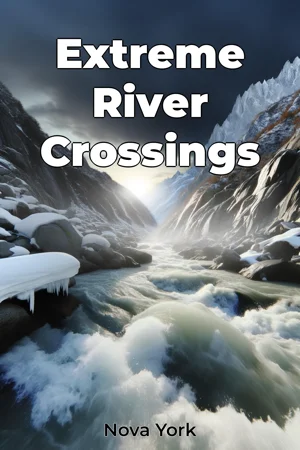
"Extreme River Crossings" addresses a critical gap in outdoor safety literature by examining the science and practice of fording rivers in mountainous terrain, where a single crossing decision can mean the difference between success and catastrophe. The book methodically dissects the complexities of river crossings through three primary lenses: hydrodynamic analysis, equipment optimization, and documented case studies. By combining technical expertise with practical field experience, it provides both theoretical understanding and actionable guidance for outdoor enthusiasts, rescue personnel, and expedition leaders. The work begins with a comprehensive examination of river mechanics, introducing readers to fundamental concepts of flow rates, water pressure dynamics, and substrate composition. These principles are presented through detailed diagrams and mathematical models, making complex physics accessible to non-technical readers while maintaining scientific accuracy. Central to the book's thesis is the assertion that safe river crossings require a systematic approach combining technical knowledge, proper gear selection, and decision-making frameworks. This argument is supported by extensive research, including analysis of incident reports from search and rescue operations across five continents and data from controlled testing environments. The content progresses through logical sections, starting with the science of water dynamics and geological factors affecting crossing points. It then moves to detailed equipment analyses, presenting empirical testing data for various gear configurations. The final section examines real-world applications through documented crossings, including both successful attempts and instructive failures. Research methodology includes collaboration with hydraulic engineers, mountain guides, and emergency response teams. The book incorporates data from weather stations, geological surveys, and extensive field testing, providing readers with evidence-based recommendations rather than anecdotal advice. The work connects multiple disciplines, including hydrology, meteorology, and materials science, demonstrating how these fields interact in practical application. This interdisciplinary approach helps readers understand the complete picture of river crossing dynamics. The book's unique contribution lies in its quantitative approach to a traditionally experience-based skill set. It introduces new analytical tools for assessing crossing conditions, including a proprietary flow-rate calculation method that accounts for multiple variables affecting water behavior in mountain environments. Written in a technical yet accessible style, the text balances detailed analysis with clear, actionable guidance. Each chapter includes practical exercises and decision-making scenarios, allowing readers to apply concepts immediately. The primary audience includes mountaineers, wilderness guides, search and rescue personnel, and outdoor education instructors. Secondary audiences include hydrologists and environmental scientists interested in practical applications of flow dynamics. The book adheres to established conventions of outdoor technical literature while introducing innovative analytical frameworks. It includes extensive references to current safety standards and protocols, placing new findings within accepted practice parameters. While focused specifically on mountain environments, the book acknowledges limitations in applying its principles to other contexts. It addresses ongoing debates about traditional versus modern crossing techniques, supporting arguments with empirical evidence rather than relying on conventional wisdom. Real-world applications are emphasized throughout, with specific protocols for assessment, technique selection, and group management during crossings. The work concludes with a forward-looking chapter on emerging technologies and methodologies in river crossing safety, setting the stage for future developments in the field.
"Extreme River Crossings" addresses a critical gap in outdoor safety literature by examining the science and practice of fording rivers in mountainous terrain, where a single crossing decision can mean the difference between success and catastrophe. The book methodically dissects the complexities of river crossings through three primary lenses: hydrodynamic analysis, equipment optimization, and documented case studies. By combining technical expertise with practical field experience, it provides both theoretical understanding and actionable guidance for outdoor enthusiasts, rescue personnel, and expedition leaders. The work begins with a comprehensive examination of river mechanics, introducing readers to fundamental concepts of flow rates, water pressure dynamics, and substrate composition. These principles are presented through detailed diagrams and mathematical models, making complex physics accessible to non-technical readers while maintaining scientific accuracy. Central to the book's thesis is the assertion that safe river crossings require a systematic approach combining technical knowledge, proper gear selection, and decision-making frameworks. This argument is supported by extensive research, including analysis of incident reports from search and rescue operations across five continents and data from controlled testing environments. The content progresses through logical sections, starting with the science of water dynamics and geological factors affecting crossing points. It then moves to detailed equipment analyses, presenting empirical testing data for various gear configurations. The final section examines real-world applications through documented crossings, including both successful attempts and instructive failures. Research methodology includes collaboration with hydraulic engineers, mountain guides, and emergency response teams. The book incorporates data from weather stations, geological surveys, and extensive field testing, providing readers with evidence-based recommendations rather than anecdotal advice. The work connects multiple disciplines, including hydrology, meteorology, and materials science, demonstrating how these fields interact in practical application. This interdisciplinary approach helps readers understand the complete picture of river crossing dynamics. The book's unique contribution lies in its quantitative approach to a traditionally experience-based skill set. It introduces new analytical tools for assessing crossing conditions, including a proprietary flow-rate calculation method that accounts for multiple variables affecting water behavior in mountain environments. Written in a technical yet accessible style, the text balances detailed analysis with clear, actionable guidance. Each chapter includes practical exercises and decision-making scenarios, allowing readers to apply concepts immediately. The primary audience includes mountaineers, wilderness guides, search and rescue personnel, and outdoor education instructors. Secondary audiences include hydrologists and environmental scientists interested in practical applications of flow dynamics. The book adheres to established conventions of outdoor technical literature while introducing innovative analytical frameworks. It includes extensive references to current safety standards and protocols, placing new findings within accepted practice parameters. While focused specifically on mountain environments, the book acknowledges limitations in applying its principles to other contexts. It addresses ongoing debates about traditional versus modern crossing techniques, supporting arguments with empirical evidence rather than relying on conventional wisdom. Real-world applications are emphasized throughout, with specific protocols for assessment, technique selection, and group management during crossings. The work concludes with a forward-looking chapter on emerging technologies and methodologies in river crossing safety, setting the stage for future developments in the field.
"Extreme River Crossings" presents a groundbreaking analysis of river fording in mountainous environments, combining scientific principles with practical field expertise to create a comprehensive guide for outdoor safety. This innovative work bridges the gap between theoretical knowledge and real-world application, making complex hydrodynamic concepts accessible to outdoor enthusiasts while maintaining technical accuracy. Through a systematic approach, the book transforms traditionally experience-based river crossing techniques into a quantifiable science. The book uniquely integrates multiple disciplines, from hydrology to materials science, progressing logically from fundamental water dynamics to equipment selection and real-world applications. It introduces readers to crucial concepts like flow rates, water pressure dynamics, and substrate composition, supported by extensive research across five continents and data from controlled testing environments. A standout feature is its proprietary flow-rate calculation method, specifically designed for mountain environments, which provides readers with concrete tools for assessing crossing conditions. The content is structured to serve both technical and practical needs, incorporating detailed diagrams, mathematical models, and case studies from both successful and failed crossing attempts. While primarily targeting mountaineers, wilderness guides, and rescue personnel, the book's thorough approach to safety and decision-making makes it valuable for anyone venturing into mountainous terrain. Each chapter builds upon the previous, culminating in practical exercises and scenarios that allow readers to immediately apply their learning, making complex concepts actionable in real-world situations.
Book Details
ISBN
9788233944933
Publisher
Publifye AS
Your Licenses
You don't own any licenses for this book
Purchase a license below to unlock this book and download the EPUB.
Purchase License
Select a tier to unlock this book
Need bulk licensing?
Contact us for enterprise agreements.