
About This Book
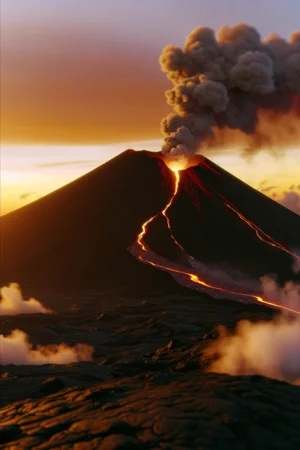
"Fierce Volcano Runs" presents a comprehensive examination of volcanic landscapes, combining geological analysis with practical safety protocols for both researchers and field professionals navigating active volcanic terrains. Opening with a stark reality check on the increasing volcanic activity across the Pacific Ring of Fire, this book bridges the gap between theoretical volcanology and practical field operations. The work focuses on three core areas: the geological composition of volcanic landscapes, real-time hazard assessment techniques, and evidence-based safety protocols for field operations. These topics form the foundation for understanding both the scientific significance of volcanic environments and the methodologies required for safe exploration. Drawing from recent geological surveys and decades of field research, the book presents detailed analyses of various volcanic formations, from shield volcanoes to stratovolcanoes, examining their distinct characteristics and behavioral patterns. The text incorporates data from the Global Volcanism Program and regional geological surveys, providing readers with current scientific understanding of volcanic systems. The central thesis maintains that effective volcanic field research requires an integrated approach combining geological knowledge, risk assessment capabilities, and standardized safety protocols. This argument is developed through systematic examination of case studies from major volcanic regions worldwide, including Hawaii, Iceland, and Indonesia. The book's structure progresses from fundamental concepts to practical applications. Initial chapters establish essential geological principles and volcanic formation processes. Middle sections detail field assessment methodologies and monitoring techniques. Final chapters focus on implementing safety protocols and emergency response procedures. Supporting evidence includes thermal imaging data, seismic readings, and documented field experiences from leading volcanologists. The work incorporates recent technological advances in volcanic monitoring, including drone-based survey techniques and real-time gas composition analysis. Interdisciplinary connections link volcanology with climate science, examining the impact of volcanic activity on global weather patterns, and with civil engineering, exploring infrastructure development in volcanic regions. The book also addresses the intersection of volcanic research with local community safety and disaster preparedness. The text maintains a technical yet accessible tone, suitable for both academic study and professional reference. While primarily targeted at field geologists, volcanic researchers, and safety coordinators, the content remains valuable for graduate students and environmental scientists working in related fields. Unique features include detailed mapping protocols for active volcanic zones, standardized risk assessment frameworks, and specific guidelines for equipment selection and maintenance in high-temperature environments. The book addresses current debates in the field, including varying approaches to predictive modeling of volcanic activity and evolving standards for field safety protocols. The scope encompasses both established and emerging knowledge in volcanology, while acknowledging limitations in current predictive capabilities and monitoring technologies. Real-world applications focus on practical field operations, from selecting appropriate protective equipment to implementing emergency evacuation procedures. Rather than sensationalizing volcanic phenomena, the text maintains a focused examination of geological processes and their implications for field research. This approach provides readers with reliable, evidence-based information necessary for both scientific understanding and operational safety in volcanic environments. The work concludes by examining ongoing challenges in volcanic research, including the need for improved early warning systems and enhanced international cooperation in monitoring active volcanic regions. This comprehensive treatment establishes "Fierce Volcano Runs" as a significant contribution to both the theoretical understanding and practical management of volcanic landscapes.
"Fierce Volcano Runs" presents a comprehensive examination of volcanic landscapes, combining geological analysis with practical safety protocols for both researchers and field professionals navigating active volcanic terrains. Opening with a stark reality check on the increasing volcanic activity across the Pacific Ring of Fire, this book bridges the gap between theoretical volcanology and practical field operations. The work focuses on three core areas: the geological composition of volcanic landscapes, real-time hazard assessment techniques, and evidence-based safety protocols for field operations. These topics form the foundation for understanding both the scientific significance of volcanic environments and the methodologies required for safe exploration. Drawing from recent geological surveys and decades of field research, the book presents detailed analyses of various volcanic formations, from shield volcanoes to stratovolcanoes, examining their distinct characteristics and behavioral patterns. The text incorporates data from the Global Volcanism Program and regional geological surveys, providing readers with current scientific understanding of volcanic systems. The central thesis maintains that effective volcanic field research requires an integrated approach combining geological knowledge, risk assessment capabilities, and standardized safety protocols. This argument is developed through systematic examination of case studies from major volcanic regions worldwide, including Hawaii, Iceland, and Indonesia. The book's structure progresses from fundamental concepts to practical applications. Initial chapters establish essential geological principles and volcanic formation processes. Middle sections detail field assessment methodologies and monitoring techniques. Final chapters focus on implementing safety protocols and emergency response procedures. Supporting evidence includes thermal imaging data, seismic readings, and documented field experiences from leading volcanologists. The work incorporates recent technological advances in volcanic monitoring, including drone-based survey techniques and real-time gas composition analysis. Interdisciplinary connections link volcanology with climate science, examining the impact of volcanic activity on global weather patterns, and with civil engineering, exploring infrastructure development in volcanic regions. The book also addresses the intersection of volcanic research with local community safety and disaster preparedness. The text maintains a technical yet accessible tone, suitable for both academic study and professional reference. While primarily targeted at field geologists, volcanic researchers, and safety coordinators, the content remains valuable for graduate students and environmental scientists working in related fields. Unique features include detailed mapping protocols for active volcanic zones, standardized risk assessment frameworks, and specific guidelines for equipment selection and maintenance in high-temperature environments. The book addresses current debates in the field, including varying approaches to predictive modeling of volcanic activity and evolving standards for field safety protocols. The scope encompasses both established and emerging knowledge in volcanology, while acknowledging limitations in current predictive capabilities and monitoring technologies. Real-world applications focus on practical field operations, from selecting appropriate protective equipment to implementing emergency evacuation procedures. Rather than sensationalizing volcanic phenomena, the text maintains a focused examination of geological processes and their implications for field research. This approach provides readers with reliable, evidence-based information necessary for both scientific understanding and operational safety in volcanic environments. The work concludes by examining ongoing challenges in volcanic research, including the need for improved early warning systems and enhanced international cooperation in monitoring active volcanic regions. This comprehensive treatment establishes "Fierce Volcano Runs" as a significant contribution to both the theoretical understanding and practical management of volcanic landscapes.
"Fierce Volcano Runs" delivers a comprehensive exploration of volcanic landscapes, seamlessly blending scientific understanding with practical field safety protocols. This authoritative guide focuses on the intricate relationship between geological analysis and operational safety in active volcanic environments, particularly relevant for those working along the Pacific Ring of Fire. The book uniquely combines cutting-edge research data from the Global Volcanism Program with decades of field experience, making complex volcanological concepts accessible to both researchers and field professionals. The text progresses logically from fundamental geological principles to real-world applications, examining various volcanic formations and their distinct characteristics. Notable insights include detailed analyses of different volcano types, from shield volcanoes to stratovolcanoes, and the implementation of modern monitoring techniques such as drone-based surveys and real-time gas composition analysis. The book stands out for its practical approach to safety protocols, providing specific guidelines for equipment selection and standardized risk assessment frameworks. Through systematic case studies from major volcanic regions including Hawaii, Iceland, and Indonesia, the book demonstrates how an integrated approach to volcanic research combines geological knowledge with practical safety measures. The content maintains a technical yet approachable tone, incorporating thermal imaging data and seismic readings while addressing current challenges in volcanic monitoring and prediction. This makes it an invaluable resource for field geologists, researchers, and safety coordinators working in volcanic environments.
Book Details
ISBN
9788233944919
Publisher
Publifye AS
Your Licenses
You don't own any licenses for this book
Purchase a license below to unlock this book and download the EPUB.
Purchase License
Select a tier to unlock this book
Need bulk licensing?
Contact us for enterprise agreements.