
About This Book
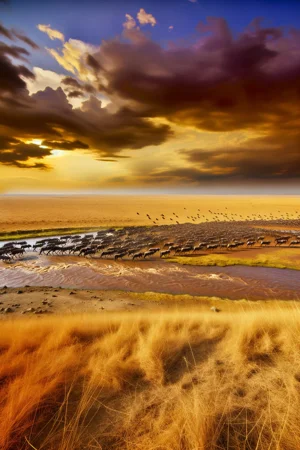
"Wild Plains Trek" begins with a stark reality: the world's great grasslands are experiencing unprecedented changes, affecting millions of migratory animals and the delicate ecosystems they inhabit. This comprehensive examination of open grassland ecosystems focuses primarily on the Serengeti and similar plains worldwide, offering readers detailed insights into these vital landscapes and their inhabitants. The book presents three core themes: the intricate dynamics of grassland ecosystems, the complex patterns of animal migration, and the ongoing conservation efforts that determine these regions' future. Through detailed analysis of long-term ecological studies and recent UNESCO site assessments, readers gain understanding of how these systems function and evolve. The narrative structure follows seasonal changes across the plains, beginning with the dry season and its challenges, moving through the dramatic migrations triggered by rainfall patterns, and concluding with an examination of human-wildlife coexistence. Each chapter integrates current research data with direct observations, providing readers with both scientific accuracy and engaging field perspectives. Key sections explore the endemic species that make these grasslands unique, from specialized grass varieties that withstand grazing pressure to the array of adapted insects, birds, and mammals. The book pays particular attention to keystone species, examining their roles in maintaining ecosystem balance and their responses to environmental changes. The research foundation draws from multiple sources: long-term field studies, satellite tracking data of migratory herds, soil composition analyses, and climate records. This multi-faceted approach allows readers to understand these ecosystems from both micro and macro perspectives, revealing patterns that emerge only through comprehensive study. The text connects ecological principles with climate science, zoology, and anthropology, demonstrating how human activities and cultural practices influence grassland dynamics. These interdisciplinary links help readers understand why conservation efforts must consider both natural and human factors to succeed. The writing maintains an accessible scientific tone, utilizing clear explanations of technical concepts while preserving the precision necessary for academic credibility. Detailed maps, migration patterns, and population data are presented through information-rich visualizations, making complex data comprehensible to general readers with basic scientific literacy. This book serves multiple audiences: conservation professionals will find current research and trending data useful for their work, while students and interested general readers will gain a thorough understanding of grassland ecology and conservation challenges. The content is particularly relevant for those interested in wildlife management, ecological research, and environmental protection. Real-world applications include protocols for grassland management, methods for monitoring wildlife populations, and strategies for balancing conservation with local community needs. The book addresses current debates in conservation biology, including the effectiveness of protected corridors versus traditional reserves, and the role of controlled burning in grassland management. The scope encompasses major grassland systems globally but uses the Serengeti as a primary case study, allowing for detailed examination while maintaining broader relevance. This focused approach enables readers to understand universal principles through specific, well-documented examples. Throughout the text, emphasis remains on evidence-based analysis rather than emotional appeals, presenting both successful conservation initiatives and ongoing challenges in grassland preservation. The book concludes with practical recommendations for grassland conservation, based on current research and proven management strategies.
"Wild Plains Trek" begins with a stark reality: the world's great grasslands are experiencing unprecedented changes, affecting millions of migratory animals and the delicate ecosystems they inhabit. This comprehensive examination of open grassland ecosystems focuses primarily on the Serengeti and similar plains worldwide, offering readers detailed insights into these vital landscapes and their inhabitants. The book presents three core themes: the intricate dynamics of grassland ecosystems, the complex patterns of animal migration, and the ongoing conservation efforts that determine these regions' future. Through detailed analysis of long-term ecological studies and recent UNESCO site assessments, readers gain understanding of how these systems function and evolve. The narrative structure follows seasonal changes across the plains, beginning with the dry season and its challenges, moving through the dramatic migrations triggered by rainfall patterns, and concluding with an examination of human-wildlife coexistence. Each chapter integrates current research data with direct observations, providing readers with both scientific accuracy and engaging field perspectives. Key sections explore the endemic species that make these grasslands unique, from specialized grass varieties that withstand grazing pressure to the array of adapted insects, birds, and mammals. The book pays particular attention to keystone species, examining their roles in maintaining ecosystem balance and their responses to environmental changes. The research foundation draws from multiple sources: long-term field studies, satellite tracking data of migratory herds, soil composition analyses, and climate records. This multi-faceted approach allows readers to understand these ecosystems from both micro and macro perspectives, revealing patterns that emerge only through comprehensive study. The text connects ecological principles with climate science, zoology, and anthropology, demonstrating how human activities and cultural practices influence grassland dynamics. These interdisciplinary links help readers understand why conservation efforts must consider both natural and human factors to succeed. The writing maintains an accessible scientific tone, utilizing clear explanations of technical concepts while preserving the precision necessary for academic credibility. Detailed maps, migration patterns, and population data are presented through information-rich visualizations, making complex data comprehensible to general readers with basic scientific literacy. This book serves multiple audiences: conservation professionals will find current research and trending data useful for their work, while students and interested general readers will gain a thorough understanding of grassland ecology and conservation challenges. The content is particularly relevant for those interested in wildlife management, ecological research, and environmental protection. Real-world applications include protocols for grassland management, methods for monitoring wildlife populations, and strategies for balancing conservation with local community needs. The book addresses current debates in conservation biology, including the effectiveness of protected corridors versus traditional reserves, and the role of controlled burning in grassland management. The scope encompasses major grassland systems globally but uses the Serengeti as a primary case study, allowing for detailed examination while maintaining broader relevance. This focused approach enables readers to understand universal principles through specific, well-documented examples. Throughout the text, emphasis remains on evidence-based analysis rather than emotional appeals, presenting both successful conservation initiatives and ongoing challenges in grassland preservation. The book concludes with practical recommendations for grassland conservation, based on current research and proven management strategies.
"Wild Plains Trek" offers a compelling exploration of the world's grassland ecosystems, focusing particularly on the Serengeti while drawing parallels to similar plains worldwide. The book weaves together three fundamental themes: grassland ecosystem dynamics, animal migration patterns, and critical conservation efforts, presenting a comprehensive view of these endangered landscapes through both scientific data and engaging field observations. Following the natural rhythm of seasonal changes, the narrative takes readers on a journey from the challenges of the dry season through the spectacular migrations triggered by rainfall patterns. The book's unique strength lies in its ability to connect complex ecological principles with real-world conservation challenges, utilizing detailed research from satellite tracking, soil analysis, and long-term field studies. Readers gain insights into the fascinating adaptations of endemic species, from specialized grasses to the diverse array of insects, birds, and mammals that call these plains home. Through accessible scientific language and information-rich visualizations, the book bridges the gap between academic research and practical conservation. It addresses crucial debates in wildlife management while maintaining a balanced, evidence-based approach to both conservation successes and challenges. Whether for conservation professionals seeking current research or general readers interested in grassland ecology, the book provides valuable insights into the delicate balance of these vital ecosystems and the urgent need for their preservation.
Book Details
ISBN
9788233944421
Publisher
Publifye AS
Your Licenses
You don't own any licenses for this book
Purchase a license below to unlock this book and download the EPUB.
Purchase License
Select a tier to unlock this book
Need bulk licensing?
Contact us for enterprise agreements.