
About This Book
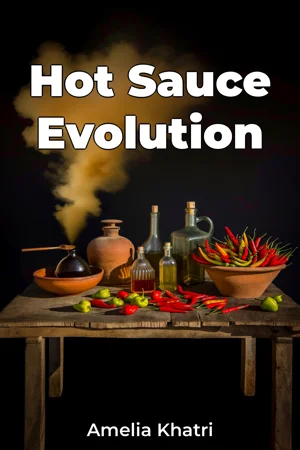
"Hot Sauce Evolution" traces the intricate journey of chili-based condiments from ancient Mesoamerican civilizations to modern global cuisine, examining how these fiery substances transformed from simple preservatives into cultural phenomena that generate billions in annual sales. The book presents three core themes: the scientific measurement of heat through the Scoville Scale and its impact on cultivation practices; the historical trade routes that spread chili varieties worldwide; and the cultural significance of regional hot sauce variations in different societies. These interconnected elements reveal how hot sauce transcended its humble origins to become a global culinary force. Beginning with the domestication of wild chilies by indigenous peoples around 6000 BCE, the narrative explores how early civilizations utilized capsaicin-rich fruits for both sustenance and medicine. The text delves into the Spanish colonization period, which catalyzed the global distribution of chilies through maritime trade networks, fundamentally altering cooking practices across Asia, Africa, and Europe. The book's central argument posits that hot sauce development parallels human migration and trade patterns, making it a unique lens through which to view cultural exchange and culinary evolution. This perspective is supported by extensive archaeological data, historical records, and modern market analyses. Structured in three main sections, the work first examines the scientific foundations of capsaicin and the development of heat measurement methods. The second section chronicles the geographical spread of chilies and emerging regional sauce traditions. The final section analyzes modern hot sauce culture, including craft production, commercial manufacturing, and social media's influence on extreme heat challenges. Research draws from archaeological findings, colonial-era trade documents, agricultural records, and contemporary market data. The analysis incorporates food science studies on capsaicin's effects on human physiology and taste perception, alongside anthropological research on cultural adaptation to spicy foods. The book connects multiple disciplines, including botany, chemistry, and economics, while exploring how hot sauce production influenced preservation techniques and international trade relationships. These connections demonstrate how a simple condiment shaped agricultural practices and cultural exchange. Written in an accessible academic style, the text combines scholarly research with engaging historical narratives and scientific explanations. This approach makes complex concepts understandable to both casual readers and food history enthusiasts. The target audience includes food history buffs, culinary professionals, and readers interested in cultural anthropology. The book serves as both a comprehensive reference and an engaging narrative of how hot sauce reflects broader historical patterns. Practical applications include insights for modern sauce makers, food industry professionals, and cultural researchers. The work addresses ongoing debates about authenticity in traditional recipes and the impact of commercialization on regional sauce varieties. The scope encompasses both historical development and contemporary trends, though it primarily focuses on documented traditions rather than modern experimental varieties. This limitation allows for deeper analysis of established sauce-making traditions and their cultural significance. While maintaining scholarly rigor, the book avoids technical jargon, making it accessible to general readers while providing sufficient depth for academic reference. It presents a balanced view of both traditional practices and modern innovations in hot sauce production and consumption.
"Hot Sauce Evolution" traces the intricate journey of chili-based condiments from ancient Mesoamerican civilizations to modern global cuisine, examining how these fiery substances transformed from simple preservatives into cultural phenomena that generate billions in annual sales. The book presents three core themes: the scientific measurement of heat through the Scoville Scale and its impact on cultivation practices; the historical trade routes that spread chili varieties worldwide; and the cultural significance of regional hot sauce variations in different societies. These interconnected elements reveal how hot sauce transcended its humble origins to become a global culinary force. Beginning with the domestication of wild chilies by indigenous peoples around 6000 BCE, the narrative explores how early civilizations utilized capsaicin-rich fruits for both sustenance and medicine. The text delves into the Spanish colonization period, which catalyzed the global distribution of chilies through maritime trade networks, fundamentally altering cooking practices across Asia, Africa, and Europe. The book's central argument posits that hot sauce development parallels human migration and trade patterns, making it a unique lens through which to view cultural exchange and culinary evolution. This perspective is supported by extensive archaeological data, historical records, and modern market analyses. Structured in three main sections, the work first examines the scientific foundations of capsaicin and the development of heat measurement methods. The second section chronicles the geographical spread of chilies and emerging regional sauce traditions. The final section analyzes modern hot sauce culture, including craft production, commercial manufacturing, and social media's influence on extreme heat challenges. Research draws from archaeological findings, colonial-era trade documents, agricultural records, and contemporary market data. The analysis incorporates food science studies on capsaicin's effects on human physiology and taste perception, alongside anthropological research on cultural adaptation to spicy foods. The book connects multiple disciplines, including botany, chemistry, and economics, while exploring how hot sauce production influenced preservation techniques and international trade relationships. These connections demonstrate how a simple condiment shaped agricultural practices and cultural exchange. Written in an accessible academic style, the text combines scholarly research with engaging historical narratives and scientific explanations. This approach makes complex concepts understandable to both casual readers and food history enthusiasts. The target audience includes food history buffs, culinary professionals, and readers interested in cultural anthropology. The book serves as both a comprehensive reference and an engaging narrative of how hot sauce reflects broader historical patterns. Practical applications include insights for modern sauce makers, food industry professionals, and cultural researchers. The work addresses ongoing debates about authenticity in traditional recipes and the impact of commercialization on regional sauce varieties. The scope encompasses both historical development and contemporary trends, though it primarily focuses on documented traditions rather than modern experimental varieties. This limitation allows for deeper analysis of established sauce-making traditions and their cultural significance. While maintaining scholarly rigor, the book avoids technical jargon, making it accessible to general readers while providing sufficient depth for academic reference. It presents a balanced view of both traditional practices and modern innovations in hot sauce production and consumption.
"Hot Sauce Evolution" presents a fascinating journey through time, exploring how chili-based condiments transformed from basic food preservatives into a global culinary phenomenon. The book masterfully weaves together three compelling narratives: the scientific development of heat measurement through the Scoville Scale, the historical trade routes that globalized chilies, and the rich cultural significance of regional hot sauce variations across different societies. Beginning with the domestication of wild chilies in 6000 BCE by indigenous Mesoamerican peoples, the narrative tracks how capsaicin-rich fruits became integral to both sustenance and medicine. The story takes a dramatic turn during the Spanish colonization period, when maritime trade networks carried chilies across continents, fundamentally reshaping cooking practices from Asia to Europe. The book reveals how hot sauce development mirrors human migration patterns, offering a unique lens through which to view cultural exchange and culinary evolution. Structured in three comprehensive sections, the work progresses from the scientific foundations of capsaicin to the geographical spread of chilies, before culminating in an analysis of modern hot sauce culture. Drawing from archaeological findings, colonial trade documents, and contemporary market data, the book presents its material in an accessible academic style that appeals to both casual readers and food history enthusiasts. This approach makes complex concepts digestible while maintaining scholarly integrity, offering valuable insights into how a simple condiment has shaped agricultural practices, preservation techniques, and international trade relationships throughout history.
Book Details
ISBN
9788233944278
Publisher
Publifye AS
Your Licenses
You don't own any licenses for this book
Purchase a license below to unlock this book and download the EPUB.
Purchase License
Select a tier to unlock this book
Need bulk licensing?
Contact us for enterprise agreements.