
About This Book
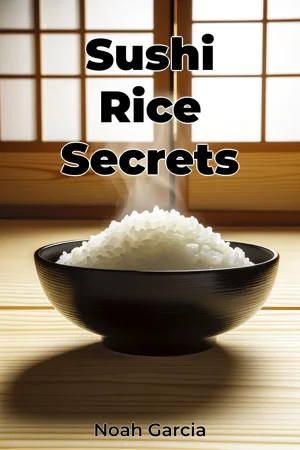
"Sushi Rice Secrets" unveils the precise methodology and cultural significance behind Japan's most fundamental culinary element - the art of preparing perfect rice. Through scientific analysis and historical documentation, this comprehensive guide bridges traditional Japanese rice-cooking techniques with modern nutritional understanding. The book centers on three core elements: the science of rice preparation, the cultural significance of proper rice handling, and the nutritional impact of various preparation methods. These interconnected aspects form the foundation for understanding why Japanese rice preparation has remained largely unchanged for centuries, while validating these methods through contemporary food science. Beginning with an examination of rice varieties, the text explores the molecular structure of different grains and their interaction with water, temperature, and seasoning agents. Detailed analysis of protein content, starch composition, and grain architecture provides readers with the scientific basis for traditional cooking methods. This technical foundation helps explain why specific temperatures, washing techniques, and resting periods are crucial for achieving optimal results. The cultural narrative traces rice preparation through Japanese history, from imperial kitchens to modern sushi establishments, demonstrating how current techniques evolved from centuries of refinement. Traditional methods are explained through both practical application and cultural context, including the significance of proper tools, water quality, and seasonal considerations. Structured in three main sections, the book progresses from fundamental principles to advanced techniques: Part One examines rice varieties and their characteristics, supported by agricultural research and chemical analysis. Part Two focuses on preparation methods, incorporating thermal imaging studies and pH measurements to validate traditional techniques. Part Three explores seasoning and preservation, including detailed analysis of vinegar combinations and their effects on rice structure. Research draws from multiple disciplines, including food science, chemistry, and agricultural studies, with data from Japanese culinary institutions and international rice research centers. The book includes findings from thermal imaging studies of rice cooking processes and electron microscope analysis of grain structure. The interdisciplinary approach connects culinary arts with chemistry, cultural anthropology, and nutrition science. This integration provides readers with a comprehensive understanding of both practical techniques and their scientific basis. Written in a methodical, instructional style, the text maintains accessibility while presenting technical information through clear explanations and practical applications. Each concept is supported by both traditional wisdom and laboratory analysis, creating a bridge between ancient practice and modern understanding. The book serves professional chefs, culinary students, and serious home cooks seeking to master Japanese rice preparation. It addresses ongoing debates about modernization versus traditional methods, using scientific evidence to evaluate both approaches. While focused primarily on sushi rice, the principles apply to broader rice preparation methods. The book acknowledges regional variations while maintaining focus on core Japanese techniques. Practical applications include detailed procedures for home and professional kitchens, with troubleshooting guides based on scientific principles. The scope intentionally concentrates on rice preparation rather than broader Japanese cuisine, allowing for thorough exploration of this fundamental element. This focused approach enables readers to develop a deep understanding of rice's role as the foundation of Japanese cooking. The book stands out through its integration of traditional knowledge with modern science, offering readers both practical skills and theoretical understanding. This dual approach validates time-honored methods while explaining their effectiveness through contemporary research.
"Sushi Rice Secrets" unveils the precise methodology and cultural significance behind Japan's most fundamental culinary element - the art of preparing perfect rice. Through scientific analysis and historical documentation, this comprehensive guide bridges traditional Japanese rice-cooking techniques with modern nutritional understanding. The book centers on three core elements: the science of rice preparation, the cultural significance of proper rice handling, and the nutritional impact of various preparation methods. These interconnected aspects form the foundation for understanding why Japanese rice preparation has remained largely unchanged for centuries, while validating these methods through contemporary food science. Beginning with an examination of rice varieties, the text explores the molecular structure of different grains and their interaction with water, temperature, and seasoning agents. Detailed analysis of protein content, starch composition, and grain architecture provides readers with the scientific basis for traditional cooking methods. This technical foundation helps explain why specific temperatures, washing techniques, and resting periods are crucial for achieving optimal results. The cultural narrative traces rice preparation through Japanese history, from imperial kitchens to modern sushi establishments, demonstrating how current techniques evolved from centuries of refinement. Traditional methods are explained through both practical application and cultural context, including the significance of proper tools, water quality, and seasonal considerations. Structured in three main sections, the book progresses from fundamental principles to advanced techniques: Part One examines rice varieties and their characteristics, supported by agricultural research and chemical analysis. Part Two focuses on preparation methods, incorporating thermal imaging studies and pH measurements to validate traditional techniques. Part Three explores seasoning and preservation, including detailed analysis of vinegar combinations and their effects on rice structure. Research draws from multiple disciplines, including food science, chemistry, and agricultural studies, with data from Japanese culinary institutions and international rice research centers. The book includes findings from thermal imaging studies of rice cooking processes and electron microscope analysis of grain structure. The interdisciplinary approach connects culinary arts with chemistry, cultural anthropology, and nutrition science. This integration provides readers with a comprehensive understanding of both practical techniques and their scientific basis. Written in a methodical, instructional style, the text maintains accessibility while presenting technical information through clear explanations and practical applications. Each concept is supported by both traditional wisdom and laboratory analysis, creating a bridge between ancient practice and modern understanding. The book serves professional chefs, culinary students, and serious home cooks seeking to master Japanese rice preparation. It addresses ongoing debates about modernization versus traditional methods, using scientific evidence to evaluate both approaches. While focused primarily on sushi rice, the principles apply to broader rice preparation methods. The book acknowledges regional variations while maintaining focus on core Japanese techniques. Practical applications include detailed procedures for home and professional kitchens, with troubleshooting guides based on scientific principles. The scope intentionally concentrates on rice preparation rather than broader Japanese cuisine, allowing for thorough exploration of this fundamental element. This focused approach enables readers to develop a deep understanding of rice's role as the foundation of Japanese cooking. The book stands out through its integration of traditional knowledge with modern science, offering readers both practical skills and theoretical understanding. This dual approach validates time-honored methods while explaining their effectiveness through contemporary research.
"Sushi Rice Secrets" masterfully bridges ancient Japanese culinary wisdom with modern scientific understanding, offering an unprecedented exploration of the art and science behind perfect rice preparation. This comprehensive guide delves into the intricate relationship between rice's molecular structure, traditional cooking methods, and cultural significance, explaining why Japanese rice preparation techniques have endured for centuries. Through a methodical approach combining food chemistry, cultural anthropology, and practical instruction, the book reveals fascinating insights about how different rice varieties interact with water and temperature at a molecular level. Readers discover why specific washing techniques and resting periods are crucial for optimal results, with these traditional methods validated through contemporary research including thermal imaging and electron microscope analysis. The text expertly weaves together scientific data from culinary institutions and international rice research centers while maintaining accessibility for both professional chefs and serious home cooks. The book's three-part structure progresses logically from fundamental principles of rice varieties and their characteristics to advanced preparation techniques and seasoning methods. While focused primarily on sushi rice, the knowledge presented extends to broader rice preparation methods, making it an invaluable resource for anyone seeking to master this cornerstone of Japanese cuisine. What sets this work apart is its unique ability to validate time-honored practices through modern scientific analysis, creating a compelling bridge between traditional wisdom and contemporary understanding.
Book Details
ISBN
9788233944216
Publisher
Publifye AS
Your Licenses
You don't own any licenses for this book
Purchase a license below to unlock this book and download the EPUB.
Purchase License
Select a tier to unlock this book
Need bulk licensing?
Contact us for enterprise agreements.