
About This Book
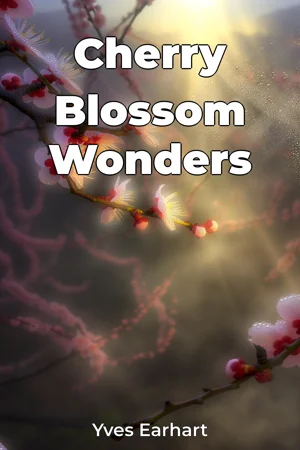
"Cherry Blossom Wonders" delves into the intricate relationship between cherry blossoms and human civilization, examining how these ephemeral flowers have shaped cultural narratives while revealing their complex biological mechanisms. Through a synthesis of botanical research and cultural anthropology, the book illuminates the multifaceted significance of cherry blossoms across continents and centuries. The work presents three core areas of investigation: the genetic and environmental factors governing cherry blossom blooming cycles, the cultural impact of cherry blossoms in both Eastern and Western societies, and the conservation challenges facing these species in an era of climate change. These interconnected themes provide readers with a comprehensive understanding of how science and culture converge in the study of these flowering trees. Drawing from extensive botanical studies conducted across Japan, North America, and Europe, the book details the precise environmental conditions that trigger flowering, the evolutionary adaptations that enable specific blooming patterns, and the genetic diversity among cherry blossom varieties. Current research data from leading horticultural institutes and long-term phenological studies support the scientific analysis. The cultural examination spans from ancient Japanese hanami traditions to modern international cherry blossom festivals, analyzing how these celebrations reflect deeper social values and environmental awareness. The book incorporates archaeological evidence, historical documents, and contemporary social studies to trace the evolution of cherry blossom significance across different societies. Through a methodical approach, the content progresses from fundamental botanical concepts to complex ecological interactions, ultimately addressing current conservation efforts and future challenges. Each chapter builds upon previous information, creating a logical framework for understanding both the scientific and cultural aspects of cherry blossoms. The work connects multiple disciplines, including genetics, climatology, and anthropology, demonstrating how cherry blossoms serve as a unique lens for studying global environmental changes and cultural adaptation. This interdisciplinary approach provides readers with tools to understand broader ecological patterns and their societal implications. Written in an accessible academic style, the book balances technical accuracy with engaging narrative elements, making complex botanical concepts comprehensible to educated general readers while maintaining scientific rigor. It serves both as a reference for researchers and an informative guide for nature enthusiasts. The target audience includes botanists, environmental scientists, cultural historians, and informed general readers interested in the intersection of nature and human society. The book provides practical insights for horticulturists, urban planners, and conservation professionals while remaining relevant to those interested in cultural studies. Current debates addressed include the impact of climate change on flowering patterns, the effectiveness of various conservation strategies, and the balance between tourism and environmental protection at major cherry blossom sites. The book presents multiple viewpoints while maintaining an evidence-based approach to these discussions. The scope encompasses both wild and cultivated cherry blossom species, focusing on major varieties found in temperate regions worldwide. While primarily examining contemporary research and cultural practices, the book includes historical context necessary for understanding current patterns and challenges. Real-world applications include guidelines for cherry tree cultivation, predictive models for bloom timing, and frameworks for sustainable tourism development around cherry blossom sites. These practical elements make the book valuable for both academic study and professional application in fields related to horticulture and cultural resource management.
"Cherry Blossom Wonders" delves into the intricate relationship between cherry blossoms and human civilization, examining how these ephemeral flowers have shaped cultural narratives while revealing their complex biological mechanisms. Through a synthesis of botanical research and cultural anthropology, the book illuminates the multifaceted significance of cherry blossoms across continents and centuries. The work presents three core areas of investigation: the genetic and environmental factors governing cherry blossom blooming cycles, the cultural impact of cherry blossoms in both Eastern and Western societies, and the conservation challenges facing these species in an era of climate change. These interconnected themes provide readers with a comprehensive understanding of how science and culture converge in the study of these flowering trees. Drawing from extensive botanical studies conducted across Japan, North America, and Europe, the book details the precise environmental conditions that trigger flowering, the evolutionary adaptations that enable specific blooming patterns, and the genetic diversity among cherry blossom varieties. Current research data from leading horticultural institutes and long-term phenological studies support the scientific analysis. The cultural examination spans from ancient Japanese hanami traditions to modern international cherry blossom festivals, analyzing how these celebrations reflect deeper social values and environmental awareness. The book incorporates archaeological evidence, historical documents, and contemporary social studies to trace the evolution of cherry blossom significance across different societies. Through a methodical approach, the content progresses from fundamental botanical concepts to complex ecological interactions, ultimately addressing current conservation efforts and future challenges. Each chapter builds upon previous information, creating a logical framework for understanding both the scientific and cultural aspects of cherry blossoms. The work connects multiple disciplines, including genetics, climatology, and anthropology, demonstrating how cherry blossoms serve as a unique lens for studying global environmental changes and cultural adaptation. This interdisciplinary approach provides readers with tools to understand broader ecological patterns and their societal implications. Written in an accessible academic style, the book balances technical accuracy with engaging narrative elements, making complex botanical concepts comprehensible to educated general readers while maintaining scientific rigor. It serves both as a reference for researchers and an informative guide for nature enthusiasts. The target audience includes botanists, environmental scientists, cultural historians, and informed general readers interested in the intersection of nature and human society. The book provides practical insights for horticulturists, urban planners, and conservation professionals while remaining relevant to those interested in cultural studies. Current debates addressed include the impact of climate change on flowering patterns, the effectiveness of various conservation strategies, and the balance between tourism and environmental protection at major cherry blossom sites. The book presents multiple viewpoints while maintaining an evidence-based approach to these discussions. The scope encompasses both wild and cultivated cherry blossom species, focusing on major varieties found in temperate regions worldwide. While primarily examining contemporary research and cultural practices, the book includes historical context necessary for understanding current patterns and challenges. Real-world applications include guidelines for cherry tree cultivation, predictive models for bloom timing, and frameworks for sustainable tourism development around cherry blossom sites. These practical elements make the book valuable for both academic study and professional application in fields related to horticulture and cultural resource management.
"Cherry Blossom Wonders" offers a fascinating exploration of how these delicate flowers have profoundly influenced human culture while harboring complex biological mysteries. This comprehensive work masterfully weaves together botanical science and cultural anthropology, examining everything from the precise genetic triggers of blooming cycles to the ancient tradition of hanami in Japan and modern conservation challenges. Through a carefully structured progression, the book reveals how cherry blossoms serve as a unique lens for understanding broader environmental patterns and cultural adaptations. Readers discover intriguing insights about the specific environmental conditions that trigger flowering and the remarkable genetic diversity among cherry blossom varieties, supported by current research from leading horticultural institutes worldwide. The cultural impact of these ephemeral blooms is equally compelling, spanning from ancient celebrations to contemporary international festivals that reflect evolving social values and environmental awareness. The book's interdisciplinary approach makes it particularly valuable for both scientific understanding and cultural appreciation. By connecting genetics, climatology, and anthropology, it presents a thorough examination of how cherry blossoms are responding to climate change and the conservation efforts being implemented to protect these beloved trees. The accessible academic style ensures that complex botanical concepts remain comprehensible to general readers while maintaining the scientific rigor necessary for researchers and professionals in the field.
Book Details
ISBN
9788233944193
Publisher
Publifye AS
Your Licenses
You don't own any licenses for this book
Purchase a license below to unlock this book and download the EPUB.
Purchase License
Select a tier to unlock this book
Need bulk licensing?
Contact us for enterprise agreements.