
About This Book
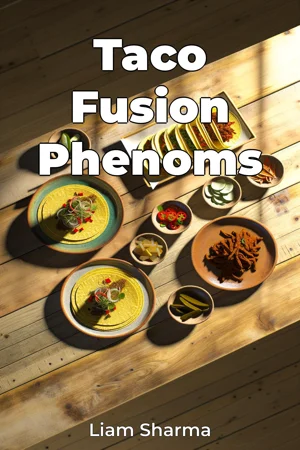
"Taco Fusion Phenoms" investigates how global culinary influences have transformed the traditional taco into a canvas for cultural exchange and gastronomic innovation. Through detailed analysis of ingredient combinations, cooking techniques, and cultural adaptations, this book maps the evolution of modern taco variations across continents. The work centers on three core themes: the impact of international trade routes on taco ingredient diversity, the role of cross-cultural culinary techniques in creating fusion variations, and the socioeconomic factors driving taco adaptation in different regions. These interconnected elements reveal how a simple corn tortilla has become a vehicle for global flavors and cooking methods. The book's foundation rests on extensive research into historical spice trade data, contemporary restaurant trends, and interviews with chefs pioneering fusion taco concepts. Traditional Mexican cooking techniques are examined alongside Asian, European, and Middle Eastern culinary practices, demonstrating how these methods combine to create new taco expressions. Structured in three main sections, the book first establishes the historical context of ingredient exchange along trade routes, particularly focusing on how spice trading patterns influenced regional taco variations. The second section analyzes modern fusion techniques, supported by data from culinary institutes and restaurant innovation centers. The final section presents case studies of successful taco fusion concepts, including detailed recipe development processes and adaptation strategies. Research methodology combines quantitative data from international food trade statistics, qualitative analysis of chef interviews, and documented recipe testing results. The book incorporates findings from food science laboratories regarding ingredient compatibility and flavor compound analysis. Interdisciplinary connections link culinary arts with cultural anthropology, agricultural economics, and food chemistry. These perspectives provide readers with a comprehensive understanding of how tacos reflect broader patterns in global food culture and trade relationships. The writing maintains an informative, research-based tone while remaining accessible to culinary professionals, food entrepreneurs, and serious home cooks. Technical concepts are explained through practical examples and clear illustrations of cooking techniques. Target readers include professional chefs, restaurant developers, food writers, and culinary students seeking to understand the principles behind successful fusion cuisine. The book serves as both a theoretical framework and practical guide for creating innovative taco concepts. The scope encompasses developments from 1990 to present day, focusing on documented fusion examples in major urban centers across North America, Asia, and Europe. While acknowledging traditional Mexican taco forms, the book emphasizes modern interpretations and future possibilities. Practical applications include detailed guides for ingredient pairing, technique adaptation, and menu development. Readers learn systematic approaches to creating fusion tacos that honor both traditional Mexican elements and incorporated cultural influences. Current debates addressed include authenticity versus innovation in Mexican cuisine, sustainable ingredient sourcing, and the role of social media in driving fusion food trends. The book takes a balanced approach to these topics, presenting multiple perspectives supported by market research and expert opinions. The work distinguishes itself through its data-driven analysis of successful fusion combinations and its systematic approach to recipe development. Rather than simply presenting recipes, it provides frameworks for understanding why certain combinations succeed and how to apply these principles to new concepts.
"Taco Fusion Phenoms" investigates how global culinary influences have transformed the traditional taco into a canvas for cultural exchange and gastronomic innovation. Through detailed analysis of ingredient combinations, cooking techniques, and cultural adaptations, this book maps the evolution of modern taco variations across continents. The work centers on three core themes: the impact of international trade routes on taco ingredient diversity, the role of cross-cultural culinary techniques in creating fusion variations, and the socioeconomic factors driving taco adaptation in different regions. These interconnected elements reveal how a simple corn tortilla has become a vehicle for global flavors and cooking methods. The book's foundation rests on extensive research into historical spice trade data, contemporary restaurant trends, and interviews with chefs pioneering fusion taco concepts. Traditional Mexican cooking techniques are examined alongside Asian, European, and Middle Eastern culinary practices, demonstrating how these methods combine to create new taco expressions. Structured in three main sections, the book first establishes the historical context of ingredient exchange along trade routes, particularly focusing on how spice trading patterns influenced regional taco variations. The second section analyzes modern fusion techniques, supported by data from culinary institutes and restaurant innovation centers. The final section presents case studies of successful taco fusion concepts, including detailed recipe development processes and adaptation strategies. Research methodology combines quantitative data from international food trade statistics, qualitative analysis of chef interviews, and documented recipe testing results. The book incorporates findings from food science laboratories regarding ingredient compatibility and flavor compound analysis. Interdisciplinary connections link culinary arts with cultural anthropology, agricultural economics, and food chemistry. These perspectives provide readers with a comprehensive understanding of how tacos reflect broader patterns in global food culture and trade relationships. The writing maintains an informative, research-based tone while remaining accessible to culinary professionals, food entrepreneurs, and serious home cooks. Technical concepts are explained through practical examples and clear illustrations of cooking techniques. Target readers include professional chefs, restaurant developers, food writers, and culinary students seeking to understand the principles behind successful fusion cuisine. The book serves as both a theoretical framework and practical guide for creating innovative taco concepts. The scope encompasses developments from 1990 to present day, focusing on documented fusion examples in major urban centers across North America, Asia, and Europe. While acknowledging traditional Mexican taco forms, the book emphasizes modern interpretations and future possibilities. Practical applications include detailed guides for ingredient pairing, technique adaptation, and menu development. Readers learn systematic approaches to creating fusion tacos that honor both traditional Mexican elements and incorporated cultural influences. Current debates addressed include authenticity versus innovation in Mexican cuisine, sustainable ingredient sourcing, and the role of social media in driving fusion food trends. The book takes a balanced approach to these topics, presenting multiple perspectives supported by market research and expert opinions. The work distinguishes itself through its data-driven analysis of successful fusion combinations and its systematic approach to recipe development. Rather than simply presenting recipes, it provides frameworks for understanding why certain combinations succeed and how to apply these principles to new concepts.
"Taco Fusion Phenoms" explores the fascinating evolution of tacos from traditional Mexican fare to a global culinary phenomenon, examining how international trade, cultural exchange, and innovative cooking techniques have transformed this humble dish. The book presents a comprehensive analysis of how the simple corn tortilla has become a canvas for worldwide flavors, supported by extensive research including chef interviews, trade data, and scientific studies of ingredient compatibility. Through three major sections, the book traces the historical impact of spice trade routes on taco development, analyzes modern fusion techniques, and presents detailed case studies of successful fusion concepts. Readers discover how traditional Mexican cooking methods blend with Asian, European, and Middle Eastern culinary practices to create exciting new variations. The research-based approach combines food science with cultural anthropology, offering practical insights into why certain fusion combinations work while others don't. What sets this book apart is its systematic approach to understanding and creating innovative taco concepts, making it valuable for both culinary professionals and serious home cooks. Rather than just providing recipes, it establishes frameworks for successful fusion development, supported by market research and expert perspectives. This comprehensive guide bridges the gap between theory and practice, offering readers the tools to understand and participate in the ongoing evolution of global taco culture.
Book Details
ISBN
9788233944124
Publisher
Publifye AS
Your Licenses
You don't own any licenses for this book
Purchase a license below to unlock this book and download the EPUB.
Purchase License
Select a tier to unlock this book
Need bulk licensing?
Contact us for enterprise agreements.