
About This Book
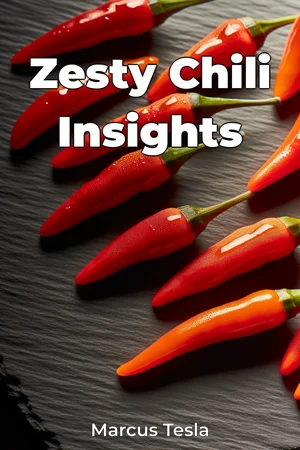
"Zesty Chili Insights" unravels the complex relationship between chili peppers' biology, cultivation methods, and their impact on human health and culinary applications. From the humble beginnings of wild capsicum species to their current status as a global culinary cornerstone, this book presents a comprehensive analysis supported by contemporary food science research. The book explores three primary areas: the botanical diversity and cultivation requirements of chili peppers, the biochemical basis of their distinct flavor profiles, and their documented effects on human physiology. These interconnected topics provide readers with a thorough understanding of how growing conditions influence both taste and nutritional content, while examining the scientific evidence behind traditional uses of chilies in various cultures. Drawing from agricultural science, biochemistry, and nutritional research, the text establishes how environmental factors and genetic variation contribute to the development of capsaicin and other compounds. This analysis includes detailed examination of soil chemistry, climate conditions, and cultivation techniques that influence pepper development, supported by data from agricultural research stations across multiple climate zones. The central thesis demonstrates how understanding the relationship between growing conditions and biochemical composition enables better cultivation practices and more effective utilization of chilies in both culinary and therapeutic applications. This connection between agriculture and end-use provides practical value for both commercial growers and home gardeners. Structured in three main sections, the book begins with cultivation science, progresses through chemical composition analysis, and concludes with health applications. Each chapter integrates current research findings with practical applications, featuring case studies from commercial pepper farms and food science laboratories. The research foundation includes peer-reviewed studies from agricultural journals, food science publications, and medical research papers, providing evidence-based support for all major claims. The interdisciplinary approach connects botanical science with culinary arts and medical research, creating a comprehensive resource that serves multiple reader interests. The text maintains a balanced, analytical tone while remaining accessible to readers with basic science knowledge. Technical concepts are explained clearly, with relevant examples and practical applications throughout. Target readers include food science students, agricultural professionals, culinary enthusiasts, and health practitioners interested in the scientific basis of food properties. The book fills a unique niche by bridging the gap between academic research and practical application in chili pepper cultivation and usage. The scope encompasses both common and rare chili varieties, focusing on those with significant culinary or medical potential. While global in perspective, the book emphasizes varieties and growing conditions relevant to major cultivation regions, providing specific guidance for different climate zones. Real-world applications include detailed growing guides, analysis of optimal harvesting times for different use cases, and evidence-based recommendations for both culinary and therapeutic applications. The text addresses current debates in the field, including discussions about capsaicin's role in pain management and metabolism, supported by recent clinical studies. The book maintains scientific objectivity while acknowledging areas where research is ongoing or inconclusive. It provides readers with the tools to evaluate claims about chili peppers' effects and make informed decisions about cultivation and usage. This approach distinguishes it from more casual treatments of the subject, offering a research-based foundation for understanding these versatile plants and their applications.
"Zesty Chili Insights" unravels the complex relationship between chili peppers' biology, cultivation methods, and their impact on human health and culinary applications. From the humble beginnings of wild capsicum species to their current status as a global culinary cornerstone, this book presents a comprehensive analysis supported by contemporary food science research. The book explores three primary areas: the botanical diversity and cultivation requirements of chili peppers, the biochemical basis of their distinct flavor profiles, and their documented effects on human physiology. These interconnected topics provide readers with a thorough understanding of how growing conditions influence both taste and nutritional content, while examining the scientific evidence behind traditional uses of chilies in various cultures. Drawing from agricultural science, biochemistry, and nutritional research, the text establishes how environmental factors and genetic variation contribute to the development of capsaicin and other compounds. This analysis includes detailed examination of soil chemistry, climate conditions, and cultivation techniques that influence pepper development, supported by data from agricultural research stations across multiple climate zones. The central thesis demonstrates how understanding the relationship between growing conditions and biochemical composition enables better cultivation practices and more effective utilization of chilies in both culinary and therapeutic applications. This connection between agriculture and end-use provides practical value for both commercial growers and home gardeners. Structured in three main sections, the book begins with cultivation science, progresses through chemical composition analysis, and concludes with health applications. Each chapter integrates current research findings with practical applications, featuring case studies from commercial pepper farms and food science laboratories. The research foundation includes peer-reviewed studies from agricultural journals, food science publications, and medical research papers, providing evidence-based support for all major claims. The interdisciplinary approach connects botanical science with culinary arts and medical research, creating a comprehensive resource that serves multiple reader interests. The text maintains a balanced, analytical tone while remaining accessible to readers with basic science knowledge. Technical concepts are explained clearly, with relevant examples and practical applications throughout. Target readers include food science students, agricultural professionals, culinary enthusiasts, and health practitioners interested in the scientific basis of food properties. The book fills a unique niche by bridging the gap between academic research and practical application in chili pepper cultivation and usage. The scope encompasses both common and rare chili varieties, focusing on those with significant culinary or medical potential. While global in perspective, the book emphasizes varieties and growing conditions relevant to major cultivation regions, providing specific guidance for different climate zones. Real-world applications include detailed growing guides, analysis of optimal harvesting times for different use cases, and evidence-based recommendations for both culinary and therapeutic applications. The text addresses current debates in the field, including discussions about capsaicin's role in pain management and metabolism, supported by recent clinical studies. The book maintains scientific objectivity while acknowledging areas where research is ongoing or inconclusive. It provides readers with the tools to evaluate claims about chili peppers' effects and make informed decisions about cultivation and usage. This approach distinguishes it from more casual treatments of the subject, offering a research-based foundation for understanding these versatile plants and their applications.
"Zesty Chili Insights" presents a fascinating exploration of chili peppers through the lens of science, agriculture, and culinary applications. This comprehensive work bridges the gap between academic research and practical knowledge, offering readers a deep dive into the intricate relationships between cultivation methods, biochemical properties, and human health impacts of these remarkable plants. The book uniquely integrates three major themes: botanical diversity and growing techniques, the biochemistry behind flavor profiles, and physiological effects on human health. Readers discover how environmental factors and genetic variations influence capsaicin development, while learning about the crucial role soil chemistry and climate conditions play in pepper cultivation. The text expertly weaves together findings from agricultural research stations worldwide, providing evidence-based insights into optimal growing practices and cultivation methods. Progressing from cultivation science through chemical analysis to practical applications, each chapter combines current research with real-world examples from commercial farms and food science laboratories. The book's interdisciplinary approach makes complex scientific concepts accessible to a broad audience, from food science students to culinary enthusiasts, while maintaining its foundation in peer-reviewed research. This balance of scientific rigor and practical application makes it an invaluable resource for anyone seeking to understand the science behind chili peppers' distinctive properties and their various applications in both culinary arts and therapeutic uses.
Book Details
ISBN
9788233944117
Publisher
Publifye AS
Your Licenses
You don't own any licenses for this book
Purchase a license below to unlock this book and download the EPUB.
Purchase License
Select a tier to unlock this book
Need bulk licensing?
Contact us for enterprise agreements.