
About This Book
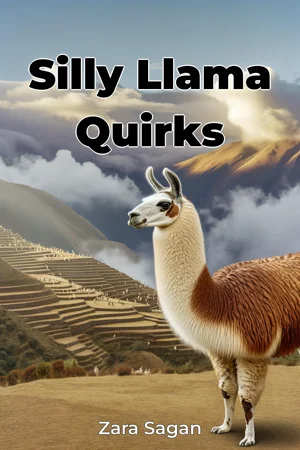
In "Silly Llama Quirks," readers discover how these camelids have developed sophisticated behavioral and physiological adaptations that challenge our understanding of high-altitude survival and social dynamics. Drawing from decades of zoological research and traditional herding practices across South America, this book reveals the scientific basis behind llamas' distinctive traits and behaviors. The book presents three core themes: llamas' unique physiological adaptations for high-altitude living, their complex social behaviors within herds, and their sustainable grazing practices that have influenced modern livestock management. These topics provide crucial insights into both animal adaptation and sustainable agriculture practices. Beginning with an overview of camelid evolution, the text establishes how llamas diverged from their ancestors 40 million years ago, developing specialized blood cells that enhance oxygen absorption at high altitudes. This adaptation, along with their distinctive split upper lip and efficient digestive system, demonstrates their successful evolution in challenging environments. The central argument posits that llamas represent a model of successful environmental adaptation while maintaining complex social structures that benefit both their species and human agricultural practices. This thesis is supported through extensive field research data collected from the Andes region and modern llama farms worldwide. The book's structure follows a systematic approach: - Part One examines physiological adaptations, including their unique cardiovascular system and fiber-producing capabilities - Part Two explores social dynamics, communication methods, and hierarchical structures within herds - Part Three demonstrates how these attributes influence modern farming practices and conservation efforts Research evidence includes long-term behavioral studies from the Peruvian highlands, veterinary medical data, and documented herding practices from indigenous communities. The work incorporates findings from genetics, environmental science, and agricultural studies, creating a comprehensive analysis of llama biology and behavior. The text connects multiple disciplines, linking evolutionary biology with agricultural science and indigenous knowledge systems. These connections provide readers with a holistic understanding of llama ecology and their role in sustainable farming practices. Written in an analytical yet accessible style, the book combines scientific rigor with practical insights, making it valuable for both academic researchers and livestock practitioners. The approach balances technical detail with clear explanations, ensuring accessibility for readers with basic biological knowledge. The target audience includes veterinary students, livestock managers, and biology enthusiasts interested in camelid behavior and high-altitude adaptation. The content serves both educational and practical purposes, offering applicable insights for llama care and management. The scope encompasses both wild and domesticated llama populations, though it primarily focuses on documented behaviors in managed herds. While addressing current debates about sustainable livestock practices, the book maintains an objective stance on traditional versus modern herding methods. Practical applications include improved herd management techniques, fiber production methods, and sustainable grazing practices that readers can implement. The text also addresses ongoing research questions regarding llama genetics and their potential role in climate-adaptive agriculture. Rather than sensationalizing llama behavior, the book presents observed patterns and documented research, allowing readers to appreciate these animals' actual capabilities and limitations. This measured approach provides a reliable resource for understanding camelid biology and behavior in both wild and domestic settings.
In "Silly Llama Quirks," readers discover how these camelids have developed sophisticated behavioral and physiological adaptations that challenge our understanding of high-altitude survival and social dynamics. Drawing from decades of zoological research and traditional herding practices across South America, this book reveals the scientific basis behind llamas' distinctive traits and behaviors. The book presents three core themes: llamas' unique physiological adaptations for high-altitude living, their complex social behaviors within herds, and their sustainable grazing practices that have influenced modern livestock management. These topics provide crucial insights into both animal adaptation and sustainable agriculture practices. Beginning with an overview of camelid evolution, the text establishes how llamas diverged from their ancestors 40 million years ago, developing specialized blood cells that enhance oxygen absorption at high altitudes. This adaptation, along with their distinctive split upper lip and efficient digestive system, demonstrates their successful evolution in challenging environments. The central argument posits that llamas represent a model of successful environmental adaptation while maintaining complex social structures that benefit both their species and human agricultural practices. This thesis is supported through extensive field research data collected from the Andes region and modern llama farms worldwide. The book's structure follows a systematic approach: - Part One examines physiological adaptations, including their unique cardiovascular system and fiber-producing capabilities - Part Two explores social dynamics, communication methods, and hierarchical structures within herds - Part Three demonstrates how these attributes influence modern farming practices and conservation efforts Research evidence includes long-term behavioral studies from the Peruvian highlands, veterinary medical data, and documented herding practices from indigenous communities. The work incorporates findings from genetics, environmental science, and agricultural studies, creating a comprehensive analysis of llama biology and behavior. The text connects multiple disciplines, linking evolutionary biology with agricultural science and indigenous knowledge systems. These connections provide readers with a holistic understanding of llama ecology and their role in sustainable farming practices. Written in an analytical yet accessible style, the book combines scientific rigor with practical insights, making it valuable for both academic researchers and livestock practitioners. The approach balances technical detail with clear explanations, ensuring accessibility for readers with basic biological knowledge. The target audience includes veterinary students, livestock managers, and biology enthusiasts interested in camelid behavior and high-altitude adaptation. The content serves both educational and practical purposes, offering applicable insights for llama care and management. The scope encompasses both wild and domesticated llama populations, though it primarily focuses on documented behaviors in managed herds. While addressing current debates about sustainable livestock practices, the book maintains an objective stance on traditional versus modern herding methods. Practical applications include improved herd management techniques, fiber production methods, and sustainable grazing practices that readers can implement. The text also addresses ongoing research questions regarding llama genetics and their potential role in climate-adaptive agriculture. Rather than sensationalizing llama behavior, the book presents observed patterns and documented research, allowing readers to appreciate these animals' actual capabilities and limitations. This measured approach provides a reliable resource for understanding camelid biology and behavior in both wild and domestic settings.
"Silly Llama Quirks" offers a fascinating exploration of these remarkable camelids, unveiling their extraordinary adaptations and behaviors that have evolved over 40 million years. The book masterfully weaves together scientific research and traditional knowledge to present a comprehensive understanding of llamas' unique characteristics, from their specialized blood cells that enable high-altitude survival to their sophisticated social structures that influence modern farming practices. Through a systematic approach spanning three main sections, readers journey from the physiological marvels of llamas' cardiovascular systems and fiber-producing capabilities to their intricate herd dynamics and sustainable grazing practices. The text draws from extensive field research in the Andes region and modern llama farms worldwide, presenting compelling evidence of how these animals have successfully adapted to challenging environments while maintaining complex social hierarchies that benefit both their species and human agricultural endeavors. What sets this book apart is its balanced integration of evolutionary biology, agricultural science, and indigenous knowledge systems, making it valuable for both academic researchers and practical livestock managers. Written in an accessible yet scientifically rigorous style, it provides actionable insights for veterinary students and farm practitioners while maintaining the fascinating narrative of llama adaptation and behavior. The book's approach to combining decades of zoological research with traditional herding practices offers readers a unique perspective on sustainable livestock management and high-altitude adaptation strategies.
Book Details
ISBN
9788233943868
Publisher
Publifye AS
Your Licenses
You don't own any licenses for this book
Purchase a license below to unlock this book and download the EPUB.
Purchase License
Select a tier to unlock this book
Need bulk licensing?
Contact us for enterprise agreements.