
About This Book
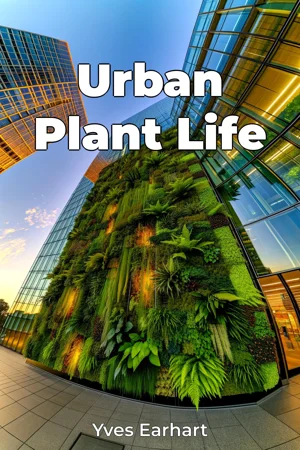
"Urban Plant Life" examines the critical intersection of vegetation and metropolitan environments, presenting research-based evidence on how plants adapt and contribute to city ecosystems. Drawing from extensive studies across major global cities, this comprehensive guide bridges the gap between urban development and natural systems. The book centers on three fundamental themes: the resilience of urban vegetation, the measurable impact of plants on city environments, and practical strategies for expanding green spaces in metropolitan areas. These topics are particularly relevant as cities worldwide grapple with environmental challenges and seek sustainable solutions for urban living. Through systematic analysis of long-term data from environmental monitoring stations, the book demonstrates how urban plants filter pollutants, reduce ambient temperatures, and support local wildlife populations. Case studies from cities like Singapore, Portland, and Stockholm provide concrete examples of successful green infrastructure integration, while detailed botanical surveys reveal how specific plant species adapt to urban conditions. The central argument posits that urban vegetation is not merely decorative but serves as essential infrastructure for sustainable cities. This perspective is supported by quantitative research showing correlations between increased urban greenery and improved public health outcomes, reduced energy consumption, and enhanced biodiversity. The content progresses from fundamental concepts to practical applications, organized into four main sections: urban plant ecology, air quality improvement mechanisms, biodiversity enhancement strategies, and implementation guidelines for city planners. Each chapter includes detailed illustrations, data visualizations, and expert insights from botanists, urban planners, and environmental scientists. Research methodology combines traditional botanical studies with modern environmental monitoring techniques, including satellite imagery analysis and air quality measurement systems. The book references peer-reviewed studies from environmental science journals and municipal planning databases, providing readers with current and reliable information. Interdisciplinary connections link urban botany to public health, architecture, and climate science. These relationships highlight how plant life influences multiple aspects of urban living, from mental health to building energy efficiency. The text maintains an academic tone while remaining accessible to general readers interested in urban environment and sustainability. The book serves multiple audiences, including city planners, environmental professionals, and engaged citizens seeking to understand or improve their urban environments. Technical concepts are explained clearly, making complex ecological principles accessible without oversimplification. Practical applications include detailed guidelines for selecting appropriate plant species, designing green spaces, and maintaining urban gardens. The book addresses common challenges such as limited space, pollution tolerance, and maintenance requirements, providing solutions based on tested methodologies. Current debates addressed include the cost-effectiveness of green infrastructure, the balance between development and conservation, and strategies for measuring the success of urban greening initiatives. The text presents multiple viewpoints while maintaining a focus on evidence-based conclusions. The scope encompasses both small-scale interventions, such as pocket parks and green roofs, and larger initiatives like urban forests and biodiversity corridors. While primarily focused on temperate climate zones, the book includes relevant examples from various climatic regions and acknowledges the need for location-specific adaptations. This resource fills a crucial gap in current literature by combining scientific rigor with practical implementation strategies, making it valuable for both theoretical understanding and real-world application in urban environmental management.
"Urban Plant Life" examines the critical intersection of vegetation and metropolitan environments, presenting research-based evidence on how plants adapt and contribute to city ecosystems. Drawing from extensive studies across major global cities, this comprehensive guide bridges the gap between urban development and natural systems. The book centers on three fundamental themes: the resilience of urban vegetation, the measurable impact of plants on city environments, and practical strategies for expanding green spaces in metropolitan areas. These topics are particularly relevant as cities worldwide grapple with environmental challenges and seek sustainable solutions for urban living. Through systematic analysis of long-term data from environmental monitoring stations, the book demonstrates how urban plants filter pollutants, reduce ambient temperatures, and support local wildlife populations. Case studies from cities like Singapore, Portland, and Stockholm provide concrete examples of successful green infrastructure integration, while detailed botanical surveys reveal how specific plant species adapt to urban conditions. The central argument posits that urban vegetation is not merely decorative but serves as essential infrastructure for sustainable cities. This perspective is supported by quantitative research showing correlations between increased urban greenery and improved public health outcomes, reduced energy consumption, and enhanced biodiversity. The content progresses from fundamental concepts to practical applications, organized into four main sections: urban plant ecology, air quality improvement mechanisms, biodiversity enhancement strategies, and implementation guidelines for city planners. Each chapter includes detailed illustrations, data visualizations, and expert insights from botanists, urban planners, and environmental scientists. Research methodology combines traditional botanical studies with modern environmental monitoring techniques, including satellite imagery analysis and air quality measurement systems. The book references peer-reviewed studies from environmental science journals and municipal planning databases, providing readers with current and reliable information. Interdisciplinary connections link urban botany to public health, architecture, and climate science. These relationships highlight how plant life influences multiple aspects of urban living, from mental health to building energy efficiency. The text maintains an academic tone while remaining accessible to general readers interested in urban environment and sustainability. The book serves multiple audiences, including city planners, environmental professionals, and engaged citizens seeking to understand or improve their urban environments. Technical concepts are explained clearly, making complex ecological principles accessible without oversimplification. Practical applications include detailed guidelines for selecting appropriate plant species, designing green spaces, and maintaining urban gardens. The book addresses common challenges such as limited space, pollution tolerance, and maintenance requirements, providing solutions based on tested methodologies. Current debates addressed include the cost-effectiveness of green infrastructure, the balance between development and conservation, and strategies for measuring the success of urban greening initiatives. The text presents multiple viewpoints while maintaining a focus on evidence-based conclusions. The scope encompasses both small-scale interventions, such as pocket parks and green roofs, and larger initiatives like urban forests and biodiversity corridors. While primarily focused on temperate climate zones, the book includes relevant examples from various climatic regions and acknowledges the need for location-specific adaptations. This resource fills a crucial gap in current literature by combining scientific rigor with practical implementation strategies, making it valuable for both theoretical understanding and real-world application in urban environmental management.
"Urban Plant Life" offers a groundbreaking exploration of how vegetation shapes and sustains our modern cities, presenting a compelling fusion of scientific research and practical urban planning strategies. The book masterfully demonstrates that urban plants are far more than decorative elements – they are crucial infrastructure components that actively improve air quality, reduce city temperatures, and foster biodiversity in metropolitan environments. Through detailed case studies from cities like Singapore, Portland, and Stockholm, readers discover how successful green infrastructure integration can transform urban spaces. The work progresses methodically through four key sections, beginning with urban plant ecology fundamentals and moving through air quality improvement mechanisms, biodiversity enhancement strategies, and practical implementation guidelines. What sets this book apart is its comprehensive approach to combining traditional botanical studies with cutting-edge environmental monitoring techniques, including satellite imagery analysis and air quality measurements. The authors present complex ecological concepts in accessible language while maintaining scientific rigor, making it valuable for both professionals and engaged citizens. This timely resource bridges the gap between theoretical understanding and practical application, offering specific guidance for selecting appropriate plant species, designing effective green spaces, and maintaining urban gardens. Drawing from extensive environmental monitoring data, the book reveals fascinating insights about how urban vegetation supports local wildlife populations and contributes to improved public health outcomes. Whether addressing small-scale interventions like pocket parks or larger initiatives such as urban forests, the book provides evidence-based solutions for creating more sustainable and livable cities.
Book Details
ISBN
9788233943790
Publisher
Publifye AS
Your Licenses
You don't own any licenses for this book
Purchase a license below to unlock this book and download the EPUB.
Purchase License
Select a tier to unlock this book
Need bulk licensing?
Contact us for enterprise agreements.