
About This Book
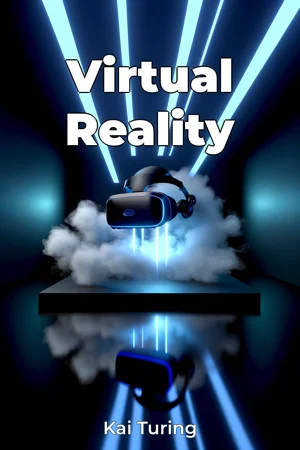
"Virtual Reality" examines how the convergence of mobile technology and immersive computing is reshaping human-computer interaction and creating new possibilities for experiencing digital worlds. The book addresses the technical foundations, current applications, and future implications of virtual and augmented reality systems in an increasingly mobile-first world. The text begins by establishing the fundamental relationship between mobile computing power and immersive experiences, exploring how smartphones have become the gateway to virtual and augmented reality for millions of users. This democratization of access represents a pivotal shift in how humans interact with digital information and environments. Through three main sections, the book develops its core argument that mobile technology is not merely enabling VR/AR experiences but is fundamentally transforming their nature and accessibility. The first section covers the technical infrastructure, including mobile processors, sensors, and display technologies that make immersive experiences possible. The second examines current applications across industries, from education and healthcare to entertainment and industrial design. The final section projects future developments and societal implications. Supporting evidence draws from technical specifications, case studies, and research data from leading technology companies and academic institutions. The book incorporates findings from neuroscience, human-computer interaction studies, and real-world implementation reports to build a comprehensive understanding of mobile VR/AR systems. The work makes significant interdisciplinary connections between computer science, cognitive psychology, and design theory. It explores how mobile VR/AR technologies influence spatial perception, learning processes, and social interaction. These connections help readers understand both the technical and human aspects of immersive technologies. The book maintains a balanced perspective, addressing both the opportunities and challenges of mobile VR/AR. It examines practical limitations such as battery life, processing power, and ergonomic constraints, while also discussing solutions and ongoing technological advances. The text acknowledges current technical limitations while maintaining focus on viable applications and future potential. Written in a technical yet accessible style, the book serves professionals, students, and technology enthusiasts. It provides detailed technical information for developers and designers while remaining comprehensible to non-specialists interested in understanding these technologies. The content is structured to build knowledge progressively, beginning with fundamental concepts and advancing to complex applications. Each chapter includes practical examples, technical diagrams, and real-world case studies, allowing readers to apply concepts directly to their work or interests. The book addresses ongoing debates in the field, including questions about privacy, digital rights, and the social impact of immersive technologies. It presents multiple viewpoints on controversial topics such as data collection, user privacy, and the potential psychological effects of extended immersion in virtual environments. Practical applications are emphasized throughout, with specific attention to implementation strategies, best practices, and real-world examples. The book includes guidance for developers, designers, and business strategists looking to integrate mobile VR/AR into their work. The scope encompasses current mobile VR/AR technology while acknowledging rapid industry evolution. Rather than focusing solely on specific devices or platforms, the book emphasizes underlying principles and approaches that remain relevant as technology advances. For technology professionals, students, and decision-makers, this book provides a comprehensive framework for understanding how mobile technology is shaping the future of virtual and augmented reality, offering both theoretical knowledge and practical insights for implementation.
"Virtual Reality" examines how the convergence of mobile technology and immersive computing is reshaping human-computer interaction and creating new possibilities for experiencing digital worlds. The book addresses the technical foundations, current applications, and future implications of virtual and augmented reality systems in an increasingly mobile-first world. The text begins by establishing the fundamental relationship between mobile computing power and immersive experiences, exploring how smartphones have become the gateway to virtual and augmented reality for millions of users. This democratization of access represents a pivotal shift in how humans interact with digital information and environments. Through three main sections, the book develops its core argument that mobile technology is not merely enabling VR/AR experiences but is fundamentally transforming their nature and accessibility. The first section covers the technical infrastructure, including mobile processors, sensors, and display technologies that make immersive experiences possible. The second examines current applications across industries, from education and healthcare to entertainment and industrial design. The final section projects future developments and societal implications. Supporting evidence draws from technical specifications, case studies, and research data from leading technology companies and academic institutions. The book incorporates findings from neuroscience, human-computer interaction studies, and real-world implementation reports to build a comprehensive understanding of mobile VR/AR systems. The work makes significant interdisciplinary connections between computer science, cognitive psychology, and design theory. It explores how mobile VR/AR technologies influence spatial perception, learning processes, and social interaction. These connections help readers understand both the technical and human aspects of immersive technologies. The book maintains a balanced perspective, addressing both the opportunities and challenges of mobile VR/AR. It examines practical limitations such as battery life, processing power, and ergonomic constraints, while also discussing solutions and ongoing technological advances. The text acknowledges current technical limitations while maintaining focus on viable applications and future potential. Written in a technical yet accessible style, the book serves professionals, students, and technology enthusiasts. It provides detailed technical information for developers and designers while remaining comprehensible to non-specialists interested in understanding these technologies. The content is structured to build knowledge progressively, beginning with fundamental concepts and advancing to complex applications. Each chapter includes practical examples, technical diagrams, and real-world case studies, allowing readers to apply concepts directly to their work or interests. The book addresses ongoing debates in the field, including questions about privacy, digital rights, and the social impact of immersive technologies. It presents multiple viewpoints on controversial topics such as data collection, user privacy, and the potential psychological effects of extended immersion in virtual environments. Practical applications are emphasized throughout, with specific attention to implementation strategies, best practices, and real-world examples. The book includes guidance for developers, designers, and business strategists looking to integrate mobile VR/AR into their work. The scope encompasses current mobile VR/AR technology while acknowledging rapid industry evolution. Rather than focusing solely on specific devices or platforms, the book emphasizes underlying principles and approaches that remain relevant as technology advances. For technology professionals, students, and decision-makers, this book provides a comprehensive framework for understanding how mobile technology is shaping the future of virtual and augmented reality, offering both theoretical knowledge and practical insights for implementation.
"Virtual Reality" presents a comprehensive exploration of how mobile technology and immersive computing are revolutionizing our digital interactions. The book masterfully charts the evolution from traditional computing to mobile-first virtual and augmented reality experiences, examining how smartphones have become the gateway to immersive digital worlds for mainstream users. Through a careful blend of technical insight and practical application, it illuminates the fundamental relationship between mobile computing power and the democratization of VR/AR technologies. The text progresses logically through three main sections, beginning with the technical foundations of mobile VR/AR systems, including processors, sensors, and display technologies. It then delves into real-world applications across various sectors, from education to industrial design, before concluding with a forward-looking analysis of future developments and societal implications. What sets this book apart is its interdisciplinary approach, weaving together computer science, cognitive psychology, and design theory to present a holistic understanding of immersive technologies. Particularly valuable is the book's balanced examination of both opportunities and challenges in mobile VR/AR implementation. It addresses practical constraints like battery life and processing power while maintaining an optimistic outlook on future possibilities. Written in an accessible yet technically precise style, the text serves both specialists and enthusiasts, offering detailed technical information alongside practical examples and case studies that demonstrate the real-world impact of these transformative technologies.
Book Details
ISBN
9788233943486
Publisher
Publifye AS
Your Licenses
You don't own any licenses for this book
Purchase a license below to unlock this book and download the EPUB.
Purchase License
Select a tier to unlock this book
Need bulk licensing?
Contact us for enterprise agreements.