
About This Book
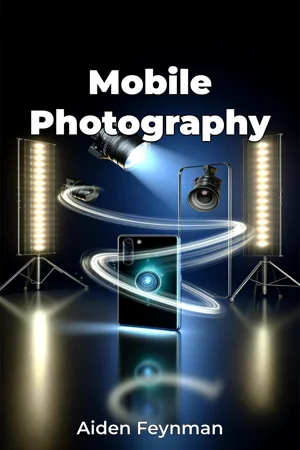
"Mobile Photography" explores how smartphone cameras have evolved from simple convenience tools to sophisticated imaging systems capable of rivaling professional equipment. The book examines the technological revolution that has democratized professional-quality photography through mobile devices. The work centers on three core areas: the evolution of mobile camera technology, computational photography techniques, and the practical applications of advanced mobile photography. These topics intersect to demonstrate how software algorithms, improved sensors, and innovative optics have transformed the capabilities of smartphone cameras. The book provides historical context by tracking the development of mobile photography from the first camera phones in 2000 to current systems featuring multiple lenses, advanced AI processing, and computational imaging. This progression sets the foundation for understanding modern mobile photography's technical achievements and future potential. The central thesis argues that mobile photography represents a fundamental shift in image creation, where computational processes and traditional optical principles merge to create new possibilities in photography. This shift has implications for both amateur photographers and professionals, changing how we document, create, and share visual information. The content is structured in three main sections: First, an examination of hardware developments, including sensor technology, lens systems, and processing units. Second, an exploration of computational photography principles, including HDR processing, night mode photography, and AI-enhanced imaging. Third, practical applications and techniques for maximizing mobile camera capabilities in various shooting scenarios. Technical evidence is presented through detailed analysis of current mobile camera systems, comparison studies with traditional cameras, and case studies of professional photographers who have integrated mobile photography into their work. The book incorporates research from optical engineering, computer vision, and professional photography practices. The work connects multiple disciplines, including computer science through its examination of image processing algorithms, optical physics in explaining lens system developments, and visual arts in discussing compositional techniques adapted for mobile platforms. These connections provide readers with a comprehensive understanding of mobile photography's technical and creative aspects. The book takes a systematic approach to explaining complex technical concepts, using clear diagrams, comparative examples, and practical demonstrations. The writing style maintains technical accuracy while remaining accessible to readers with varying levels of photographic expertise. Target readers include photography enthusiasts, technology professionals, and anyone interested in understanding how mobile cameras achieve their results. The content serves both as a technical reference and a practical guide for improving mobile photography skills. The scope encompasses current mobile photography technology while acknowledging rapid developments in the field. While focusing primarily on smartphone photography, the book also addresses related mobile imaging devices and emerging technologies. Practical applications include detailed tutorials on advanced mobile camera features, optimization techniques for different shooting conditions, and post-processing workflows specific to mobile photography. The work addresses ongoing debates about the role of computational photography in traditional photographic practices and its impact on professional photography. Throughout the book, the focus remains on factual analysis and practical instruction, avoiding hyperbole while maintaining reader engagement through clear, precise explanations of both technical concepts and creative applications.
"Mobile Photography" explores how smartphone cameras have evolved from simple convenience tools to sophisticated imaging systems capable of rivaling professional equipment. The book examines the technological revolution that has democratized professional-quality photography through mobile devices. The work centers on three core areas: the evolution of mobile camera technology, computational photography techniques, and the practical applications of advanced mobile photography. These topics intersect to demonstrate how software algorithms, improved sensors, and innovative optics have transformed the capabilities of smartphone cameras. The book provides historical context by tracking the development of mobile photography from the first camera phones in 2000 to current systems featuring multiple lenses, advanced AI processing, and computational imaging. This progression sets the foundation for understanding modern mobile photography's technical achievements and future potential. The central thesis argues that mobile photography represents a fundamental shift in image creation, where computational processes and traditional optical principles merge to create new possibilities in photography. This shift has implications for both amateur photographers and professionals, changing how we document, create, and share visual information. The content is structured in three main sections: First, an examination of hardware developments, including sensor technology, lens systems, and processing units. Second, an exploration of computational photography principles, including HDR processing, night mode photography, and AI-enhanced imaging. Third, practical applications and techniques for maximizing mobile camera capabilities in various shooting scenarios. Technical evidence is presented through detailed analysis of current mobile camera systems, comparison studies with traditional cameras, and case studies of professional photographers who have integrated mobile photography into their work. The book incorporates research from optical engineering, computer vision, and professional photography practices. The work connects multiple disciplines, including computer science through its examination of image processing algorithms, optical physics in explaining lens system developments, and visual arts in discussing compositional techniques adapted for mobile platforms. These connections provide readers with a comprehensive understanding of mobile photography's technical and creative aspects. The book takes a systematic approach to explaining complex technical concepts, using clear diagrams, comparative examples, and practical demonstrations. The writing style maintains technical accuracy while remaining accessible to readers with varying levels of photographic expertise. Target readers include photography enthusiasts, technology professionals, and anyone interested in understanding how mobile cameras achieve their results. The content serves both as a technical reference and a practical guide for improving mobile photography skills. The scope encompasses current mobile photography technology while acknowledging rapid developments in the field. While focusing primarily on smartphone photography, the book also addresses related mobile imaging devices and emerging technologies. Practical applications include detailed tutorials on advanced mobile camera features, optimization techniques for different shooting conditions, and post-processing workflows specific to mobile photography. The work addresses ongoing debates about the role of computational photography in traditional photographic practices and its impact on professional photography. Throughout the book, the focus remains on factual analysis and practical instruction, avoiding hyperbole while maintaining reader engagement through clear, precise explanations of both technical concepts and creative applications.
"Mobile Photography" presents a comprehensive exploration of how smartphone cameras have evolved from basic tools into sophisticated imaging systems that rival professional equipment. The book uniquely bridges the gap between traditional photography principles and modern computational techniques, examining the technological revolution that has made professional-quality photography accessible to everyone through mobile devices. The text progresses through three interconnected sections, beginning with the evolution of hardware developments in mobile camera technology since 2000. It then delves into the fascinating world of computational photography, explaining how advanced features like HDR processing, night mode, and AI-enhanced imaging work to produce exceptional results. The final section focuses on practical applications, providing readers with detailed tutorials and optimization techniques for various shooting scenarios. What sets this book apart is its systematic approach to explaining complex technical concepts while maintaining accessibility for readers of varying expertise levels. Through clear diagrams, comparative examples, and practical demonstrations, it effectively illustrates how software algorithms, improved sensors, and innovative optics work together in modern mobile photography. The book serves both as a technical reference and a practical guide, making it valuable for photography enthusiasts and technology professionals who want to understand and maximize their mobile camera capabilities.
Book Details
ISBN
9788233943424
Publisher
Publifye AS
Your Licenses
You don't own any licenses for this book
Purchase a license below to unlock this book and download the EPUB.
Purchase License
Select a tier to unlock this book
Need bulk licensing?
Contact us for enterprise agreements.