
About This Book
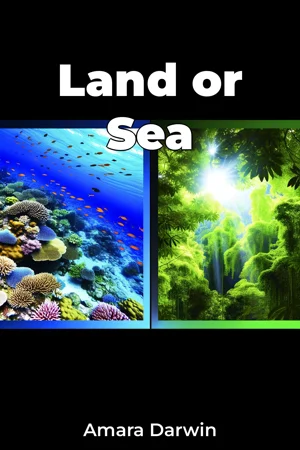
"Land or Sea" presents a detailed exploration of Earth's major ecosystems, examining the intricate relationships between organisms and their environments across terrestrial and marine domains. Through comparative analysis, the book reveals how life has evolved distinct strategies for survival in these vastly different realms. The work systematically analyzes three key areas: ecosystem dynamics, species interdependence, and environmental pressures. By examining parallel developments in land and marine environments, readers gain insight into how similar ecological principles manifest differently across these domains. The book draws from recent research in biology, ecology, and environmental science to demonstrate how species interactions shape entire ecosystems. Beginning with foundational concepts in ecology, the text progresses through increasingly complex relationships between organisms. The first section establishes basic principles of ecosystem function, including energy flow, nutrient cycling, and population dynamics. The second section delves into specific case studies of species interactions, from predator-prey relationships to symbiotic partnerships, comparing examples from both terrestrial and aquatic environments. The final section addresses current challenges facing these ecosystems, including climate change, habitat fragmentation, and pollution. The book's central thesis argues that understanding the parallels and differences between land and marine ecosystems is crucial for conservation efforts and ecological management. This comparative approach reveals patterns that might otherwise remain hidden when studying either environment in isolation. Supporting evidence comes from long-term ecological studies, satellite data, and advanced tracking technologies that monitor species movements and interactions. The work incorporates research from over 200 scientific studies, including recent findings from marine biology stations and terrestrial research centers worldwide. The interdisciplinary nature of the book connects ecology with climatology, evolutionary biology, and conservation science. These connections provide context for understanding how global systems influence local ecosystems and vice versa. The text maintains a balanced, analytical tone while remaining accessible to readers with a basic understanding of biology. Written primarily for environmental science students, conservation professionals, and informed general readers, the book provides practical applications for ecosystem management and conservation planning. Each chapter includes case studies that demonstrate how theoretical concepts translate to real-world situations. The book's unique contribution lies in its systematic comparison of land and marine ecosystems, offering insights into how similar ecological principles operate under different environmental conditions. It addresses current debates in conservation biology, including the effectiveness of marine protected areas versus terrestrial reserves and the relative impact of climate change on different ecosystems. Limitations are clearly acknowledged, focusing primarily on macro-scale ecosystems rather than microenvironments. The text emphasizes that while certain principles are universal, solutions to environmental challenges must be tailored to specific contexts. The work concludes with practical recommendations for ecosystem management and conservation, based on the comparative insights gained from studying both terrestrial and marine systems. This approach provides readers with tools to understand and address environmental challenges in their local contexts while maintaining awareness of global ecological connections.
"Land or Sea" presents a detailed exploration of Earth's major ecosystems, examining the intricate relationships between organisms and their environments across terrestrial and marine domains. Through comparative analysis, the book reveals how life has evolved distinct strategies for survival in these vastly different realms. The work systematically analyzes three key areas: ecosystem dynamics, species interdependence, and environmental pressures. By examining parallel developments in land and marine environments, readers gain insight into how similar ecological principles manifest differently across these domains. The book draws from recent research in biology, ecology, and environmental science to demonstrate how species interactions shape entire ecosystems. Beginning with foundational concepts in ecology, the text progresses through increasingly complex relationships between organisms. The first section establishes basic principles of ecosystem function, including energy flow, nutrient cycling, and population dynamics. The second section delves into specific case studies of species interactions, from predator-prey relationships to symbiotic partnerships, comparing examples from both terrestrial and aquatic environments. The final section addresses current challenges facing these ecosystems, including climate change, habitat fragmentation, and pollution. The book's central thesis argues that understanding the parallels and differences between land and marine ecosystems is crucial for conservation efforts and ecological management. This comparative approach reveals patterns that might otherwise remain hidden when studying either environment in isolation. Supporting evidence comes from long-term ecological studies, satellite data, and advanced tracking technologies that monitor species movements and interactions. The work incorporates research from over 200 scientific studies, including recent findings from marine biology stations and terrestrial research centers worldwide. The interdisciplinary nature of the book connects ecology with climatology, evolutionary biology, and conservation science. These connections provide context for understanding how global systems influence local ecosystems and vice versa. The text maintains a balanced, analytical tone while remaining accessible to readers with a basic understanding of biology. Written primarily for environmental science students, conservation professionals, and informed general readers, the book provides practical applications for ecosystem management and conservation planning. Each chapter includes case studies that demonstrate how theoretical concepts translate to real-world situations. The book's unique contribution lies in its systematic comparison of land and marine ecosystems, offering insights into how similar ecological principles operate under different environmental conditions. It addresses current debates in conservation biology, including the effectiveness of marine protected areas versus terrestrial reserves and the relative impact of climate change on different ecosystems. Limitations are clearly acknowledged, focusing primarily on macro-scale ecosystems rather than microenvironments. The text emphasizes that while certain principles are universal, solutions to environmental challenges must be tailored to specific contexts. The work concludes with practical recommendations for ecosystem management and conservation, based on the comparative insights gained from studying both terrestrial and marine systems. This approach provides readers with tools to understand and address environmental challenges in their local contexts while maintaining awareness of global ecological connections.
"Land or Sea" offers a comprehensive exploration of Earth's major ecosystems, uniquely comparing how life adapts and thrives in both terrestrial and marine environments. Through a systematic analysis of ecosystem dynamics, species relationships, and environmental challenges, the book reveals fascinating parallels and distinctions between land and sea-based life. This comparative approach provides readers with a deeper understanding of how similar ecological principles manifest differently across these contrasting domains. The book progresses logically from fundamental concepts of ecosystem function, including energy flow and nutrient cycling, to complex species interactions and contemporary environmental challenges. By examining parallel developments in both environments, readers discover how predator-prey relationships, symbiotic partnerships, and population dynamics share common threads while adapting to their specific contexts. Drawing from over 200 scientific studies and incorporating data from advanced tracking technologies, the text presents evidence-based insights into how ecosystems function and respond to change. What sets this work apart is its interdisciplinary approach to environmental science, connecting ecology with climatology and conservation science. While primarily designed for environmental science students and conservation professionals, the book maintains accessibility through clear explanations and real-world case studies. Its systematic comparison of terrestrial and marine ecosystems offers valuable insights for conservation planning and ecosystem management, demonstrating how understanding these parallel systems is crucial for addressing current environmental challenges.
Book Details
ISBN
9788233943110
Publisher
Publifye AS
Your Licenses
You don't own any licenses for this book
Purchase a license below to unlock this book and download the EPUB.
Purchase License
Select a tier to unlock this book
Need bulk licensing?
Contact us for enterprise agreements.