
About This Book
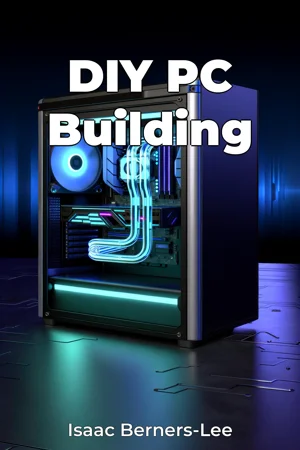
"DIY PC Building" addresses the growing demand for custom computer assembly knowledge in an era where personalized technology solutions have become increasingly vital. This comprehensive guide transforms complex technical processes into manageable steps, enabling readers to build their own computers while understanding the underlying principles of computer architecture. The book begins by establishing the fundamental rationale for custom PC building: cost-effectiveness, performance optimization, and the educational value of understanding computer hardware. Three core topics form the backbone of the guide: component selection and compatibility, physical assembly procedures, and system configuration and troubleshooting. Drawing from decades of computer hardware evolution, the text provides essential context about standardization in the PC industry, explaining how modern components achieve near-universal compatibility through established protocols and form factors. This historical perspective helps readers understand both the current state of PC building and its future trajectory. The central thesis maintains that custom PC building is an accessible skill that combines technical knowledge with practical application, offering benefits beyond mere cost savings. This argument is developed through a structured approach that progresses from basic concepts to advanced techniques. The content is organized into three major sections. The first covers component selection, detailing specifications for processors, motherboards, memory, storage, power supplies, and cases. The second section presents step-by-step assembly instructions with detailed photographs and diagrams. The final section addresses software installation, driver management, and system optimization. Technical information is supported by current industry standards, benchmark data, and real-world testing results. The book incorporates insights from computer engineers, professional system builders, and experienced enthusiasts, providing a well-rounded perspective on best practices and common pitfalls. The guide connects to multiple disciplines, including electrical engineering through power management concepts, thermal dynamics in cooling system design, and economics in component selection and budget optimization. These interdisciplinary elements provide readers with a broader understanding of computer system design principles. The book distinguishes itself through its adaptive difficulty system, where each chapter includes basic, intermediate, and advanced information, allowing readers to progress at their own pace. This approach makes the content accessible to beginners while remaining valuable to experienced builders. Written in a methodical, instructional style, the text balances technical precision with clear explanations, avoiding jargon when possible and carefully defining necessary technical terms. The approach is practical and results-oriented, focusing on actionable information. The target audience includes technology enthusiasts, students, professionals seeking to understand their tools better, and anyone interested in building or upgrading computers. The content serves both first-time builders and experienced users looking to refine their techniques. The book maintains comprehensive coverage of standard desktop PC building while acknowledging limitations in specialized areas such as laptop assembly or exotic cooling systems. It focuses on consumer-grade components and mainstream applications, providing occasional references to enterprise-level alternatives. Practical applications extend beyond basic assembly to include maintenance, upgrading, and troubleshooting skills that readers can apply throughout their computers' lifespans. The guide addresses current industry debates regarding component choices, building techniques, and optimization strategies, presenting evidence-based recommendations while acknowledging areas of ongoing discussion. This systematic approach to computer assembly empowers readers to make informed decisions about their technology needs while developing valuable technical skills applicable in both personal and professional contexts.
"DIY PC Building" addresses the growing demand for custom computer assembly knowledge in an era where personalized technology solutions have become increasingly vital. This comprehensive guide transforms complex technical processes into manageable steps, enabling readers to build their own computers while understanding the underlying principles of computer architecture. The book begins by establishing the fundamental rationale for custom PC building: cost-effectiveness, performance optimization, and the educational value of understanding computer hardware. Three core topics form the backbone of the guide: component selection and compatibility, physical assembly procedures, and system configuration and troubleshooting. Drawing from decades of computer hardware evolution, the text provides essential context about standardization in the PC industry, explaining how modern components achieve near-universal compatibility through established protocols and form factors. This historical perspective helps readers understand both the current state of PC building and its future trajectory. The central thesis maintains that custom PC building is an accessible skill that combines technical knowledge with practical application, offering benefits beyond mere cost savings. This argument is developed through a structured approach that progresses from basic concepts to advanced techniques. The content is organized into three major sections. The first covers component selection, detailing specifications for processors, motherboards, memory, storage, power supplies, and cases. The second section presents step-by-step assembly instructions with detailed photographs and diagrams. The final section addresses software installation, driver management, and system optimization. Technical information is supported by current industry standards, benchmark data, and real-world testing results. The book incorporates insights from computer engineers, professional system builders, and experienced enthusiasts, providing a well-rounded perspective on best practices and common pitfalls. The guide connects to multiple disciplines, including electrical engineering through power management concepts, thermal dynamics in cooling system design, and economics in component selection and budget optimization. These interdisciplinary elements provide readers with a broader understanding of computer system design principles. The book distinguishes itself through its adaptive difficulty system, where each chapter includes basic, intermediate, and advanced information, allowing readers to progress at their own pace. This approach makes the content accessible to beginners while remaining valuable to experienced builders. Written in a methodical, instructional style, the text balances technical precision with clear explanations, avoiding jargon when possible and carefully defining necessary technical terms. The approach is practical and results-oriented, focusing on actionable information. The target audience includes technology enthusiasts, students, professionals seeking to understand their tools better, and anyone interested in building or upgrading computers. The content serves both first-time builders and experienced users looking to refine their techniques. The book maintains comprehensive coverage of standard desktop PC building while acknowledging limitations in specialized areas such as laptop assembly or exotic cooling systems. It focuses on consumer-grade components and mainstream applications, providing occasional references to enterprise-level alternatives. Practical applications extend beyond basic assembly to include maintenance, upgrading, and troubleshooting skills that readers can apply throughout their computers' lifespans. The guide addresses current industry debates regarding component choices, building techniques, and optimization strategies, presenting evidence-based recommendations while acknowledging areas of ongoing discussion. This systematic approach to computer assembly empowers readers to make informed decisions about their technology needs while developing valuable technical skills applicable in both personal and professional contexts.
"DIY PC Building" presents a comprehensive guide to custom computer assembly, transforming what many consider a daunting technical challenge into an accessible and educational endeavor. The book systematically breaks down the entire PC building process, from component selection to final system optimization, making it valuable for both newcomers and experienced builders alike. Through its unique adaptive difficulty system, readers can progress at their own pace while learning about computer architecture, hardware compatibility, and troubleshooting techniques. The guide is thoughtfully structured in three main sections, beginning with detailed component selection guidance, moving through step-by-step assembly procedures, and concluding with system configuration and optimization. What sets this book apart is its integration of practical knowledge with theoretical understanding, supported by industry standards and real-world testing results. The content draws from decades of computer hardware evolution, helping readers understand not just the how, but also the why behind modern PC building practices. Throughout its chapters, the book maintains a balance between technical precision and accessibility, providing clear explanations without unnecessary jargon. It extends beyond basic assembly instructions to include valuable insights about maintenance, upgrading, and troubleshooting, making it a comprehensive resource for anyone interested in building or maintaining their own computer. The inclusion of interdisciplinary concepts, from electrical engineering to thermal dynamics, provides readers with a broader understanding of computer system design principles while keeping the focus on practical application.
Book Details
ISBN
9788233942960
Publisher
Publifye AS
Your Licenses
You don't own any licenses for this book
Purchase a license below to unlock this book and download the EPUB.
Purchase License
Select a tier to unlock this book
Need bulk licensing?
Contact us for enterprise agreements.