
About This Book
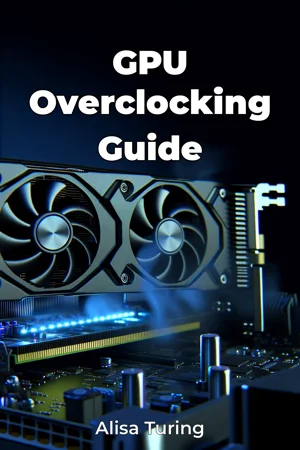
"GPU Overclocking Guide" addresses the technical realm of graphics card optimization, providing readers with comprehensive insights into safely pushing hardware performance beyond factory specifications. The book examines the fundamentals of GPU architecture and overclocking principles, offering both theoretical knowledge and practical applications for users seeking enhanced gaming and computational performance. The guide begins by establishing crucial baseline knowledge of GPU components, including memory modules, core clocks, and voltage regulations. This foundation proves essential as readers progress through increasingly advanced concepts. Through detailed technical explanations, the book demonstrates how modern graphics cards maintain significant untapped potential beyond their stock settings. Three primary sections form the core of the content: Understanding GPU Architecture, Safe Overclocking Methodologies, and Performance Optimization Techniques. Each section builds upon the previous, creating a structured learning path from basic concepts to advanced implementations. The book extensively covers thermal management, power delivery, and stability testing - critical factors in successful overclocking. Supporting its methodologies with empirical data, the guide presents benchmark results, thermal analysis, and performance metrics from various GPU models across different manufacturers. Case studies of successful overclocking implementations provide readers with real-world examples and practical insights. The research incorporates findings from semiconductor physics, electrical engineering, and thermal dynamics to explain the scientific principles behind safe overclocking practices. The content maintains strong connections with related fields, particularly computer engineering, power management systems, and heat dissipation physics. These interdisciplinary links help readers understand the broader context of GPU performance optimization while emphasizing the importance of system-wide considerations. Written in a technical yet accessible style, the book targets PC enthusiasts, gaming professionals, and hardware technicians. The approach combines theoretical explanations with step-by-step instructions, making complex concepts digestible for readers with intermediate technical knowledge. Detailed diagrams, charts, and thermal imaging data supplement the text, providing visual references for key concepts. The guide addresses current debates within the overclocking community, including the balance between performance gains and hardware longevity, and the impact of manufacturing variables on overclocking potential. It maintains a vendor-neutral stance while acknowledging the differences between various GPU architectures and their overclocking characteristics. Practical applications receive significant attention, with detailed protocols for stability testing, performance monitoring, and thermal management. The book includes troubleshooting guides and safety parameters, ensuring readers can apply the knowledge while minimizing risks to their hardware. The scope encompasses consumer-grade graphics cards from recent generations, focusing on architectures relevant to current users. While the principles apply broadly, the book specifically addresses desktop GPU configurations, acknowledging the limitations of laptop graphics solutions. Throughout its contents, the guide emphasizes the importance of methodical approaches and safety considerations. It maintains a balanced perspective between performance optimization and hardware preservation, providing readers with the knowledge to make informed decisions about their overclocking practices. The book serves as a comprehensive resource for users seeking to understand and implement GPU overclocking, combining technical depth with practical applicability. It fills a crucial gap in technical literature by providing structured, evidence-based methodologies for graphics card optimization while maintaining accessibility for its target audience.
"GPU Overclocking Guide" addresses the technical realm of graphics card optimization, providing readers with comprehensive insights into safely pushing hardware performance beyond factory specifications. The book examines the fundamentals of GPU architecture and overclocking principles, offering both theoretical knowledge and practical applications for users seeking enhanced gaming and computational performance. The guide begins by establishing crucial baseline knowledge of GPU components, including memory modules, core clocks, and voltage regulations. This foundation proves essential as readers progress through increasingly advanced concepts. Through detailed technical explanations, the book demonstrates how modern graphics cards maintain significant untapped potential beyond their stock settings. Three primary sections form the core of the content: Understanding GPU Architecture, Safe Overclocking Methodologies, and Performance Optimization Techniques. Each section builds upon the previous, creating a structured learning path from basic concepts to advanced implementations. The book extensively covers thermal management, power delivery, and stability testing - critical factors in successful overclocking. Supporting its methodologies with empirical data, the guide presents benchmark results, thermal analysis, and performance metrics from various GPU models across different manufacturers. Case studies of successful overclocking implementations provide readers with real-world examples and practical insights. The research incorporates findings from semiconductor physics, electrical engineering, and thermal dynamics to explain the scientific principles behind safe overclocking practices. The content maintains strong connections with related fields, particularly computer engineering, power management systems, and heat dissipation physics. These interdisciplinary links help readers understand the broader context of GPU performance optimization while emphasizing the importance of system-wide considerations. Written in a technical yet accessible style, the book targets PC enthusiasts, gaming professionals, and hardware technicians. The approach combines theoretical explanations with step-by-step instructions, making complex concepts digestible for readers with intermediate technical knowledge. Detailed diagrams, charts, and thermal imaging data supplement the text, providing visual references for key concepts. The guide addresses current debates within the overclocking community, including the balance between performance gains and hardware longevity, and the impact of manufacturing variables on overclocking potential. It maintains a vendor-neutral stance while acknowledging the differences between various GPU architectures and their overclocking characteristics. Practical applications receive significant attention, with detailed protocols for stability testing, performance monitoring, and thermal management. The book includes troubleshooting guides and safety parameters, ensuring readers can apply the knowledge while minimizing risks to their hardware. The scope encompasses consumer-grade graphics cards from recent generations, focusing on architectures relevant to current users. While the principles apply broadly, the book specifically addresses desktop GPU configurations, acknowledging the limitations of laptop graphics solutions. Throughout its contents, the guide emphasizes the importance of methodical approaches and safety considerations. It maintains a balanced perspective between performance optimization and hardware preservation, providing readers with the knowledge to make informed decisions about their overclocking practices. The book serves as a comprehensive resource for users seeking to understand and implement GPU overclocking, combining technical depth with practical applicability. It fills a crucial gap in technical literature by providing structured, evidence-based methodologies for graphics card optimization while maintaining accessibility for its target audience.
The "GPU Overclocking Guide" delivers a comprehensive exploration of graphics card optimization, bridging the gap between theoretical knowledge and practical implementation for enthusiasts seeking enhanced hardware performance. This technical guide systematically breaks down the complex world of GPU overclocking, from fundamental architecture concepts to advanced performance tuning techniques, while maintaining a strong focus on safety and stability. The book progresses through three main sections, beginning with GPU architecture fundamentals before diving into safe overclocking methodologies and advanced optimization techniques. Readers learn essential concepts about memory modules, core clocks, and voltage regulations, supported by empirical data and real-world case studies. What sets this guide apart is its thorough integration of semiconductor physics, electrical engineering, and thermal dynamics principles, providing readers with a deep understanding of the scientific foundations behind successful overclocking practices. Written for PC enthusiasts and hardware technicians, the guide combines detailed technical explanations with accessible step-by-step instructions, complemented by visual aids such as thermal imaging data and performance charts. It maintains vendor neutrality while addressing crucial aspects like thermal management, power delivery, and stability testing. The book's practical approach to hardware optimization, coupled with its emphasis on safety parameters and troubleshooting protocols, makes it an invaluable resource for anyone interested in pushing their GPU's performance beyond factory specifications.
Book Details
ISBN
9788233942908
Publisher
Publifye AS
Your Licenses
You don't own any licenses for this book
Purchase a license below to unlock this book and download the EPUB.
Purchase License
Select a tier to unlock this book
Need bulk licensing?
Contact us for enterprise agreements.