
About This Book
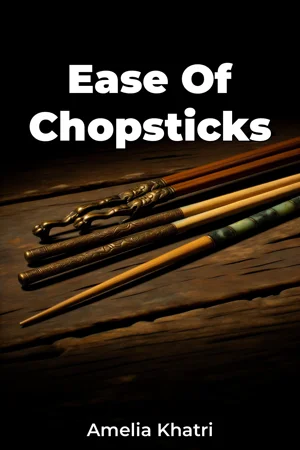
"Ease of Chopsticks" examines how a simple eating implement shaped Asian cuisine, social structures, and cultural development across millennia. Through archaeological evidence and historical records, this comprehensive study reveals how chopsticks evolved from basic cooking tools to sophisticated dining instruments that influenced food preparation, social etiquette, and cross-cultural exchange. The book presents three core themes: the technological evolution of chopsticks from primitive bronze and bamboo implements to refined artistic pieces, the social stratification reflected in chopstick usage and materials, and the impact of these utensils on cuisine development across East and Southeast Asia. These interconnected aspects demonstrate how chopsticks became more than mere eating tools, serving as indicators of social status and catalysts for culinary innovation. Drawing from archaeological findings, historical documents, and anthropological studies, the work traces chopsticks' journey from their origins in ancient China (circa 1200 BCE) through their adoption across Asia. The analysis includes detailed examination of materials science, showing how different cultures adapted chopstick design based on available resources and technological capabilities. The central argument posits that chopsticks fundamentally shaped Asian cuisine by influencing food preparation methods, portion sizes, and cooking techniques. This adaptation led to the development of bite-sized dishes and specific cutting techniques that characterize many Asian culinary traditions. The book demonstrates how this influence extended beyond food to impact social customs, dining etiquette, and even diplomatic relations. The content progresses chronologically and thematically through four main sections: origins and early development, cultural diffusion, social implications, and modern significance. Each section incorporates primary sources, including ancient texts, trading records, and archaeological reports, supported by contemporary research in food anthropology and material culture studies. The research methodology combines archaeological data, historical documentation, and anthropological analysis. Notable sources include recently discovered chopstick pairs from Tang Dynasty tombs, medieval Japanese etiquette guides, and Korean royal court records, providing insights into historical usage patterns and social significance. The work connects multiple disciplines, including archaeology, anthropology, and materials science, while exploring the relationship between tool design and human behavior. This interdisciplinary approach helps readers understand how material culture influences social development and cultural exchange. Written in an academic yet accessible style, the book maintains scholarly rigor while engaging general readers interested in food history, Asian studies, and cultural anthropology. It includes detailed illustrations of historical chopstick designs, maps showing patterns of adoption, and tables comparing regional variations in materials and usage. The target audience includes food historians, cultural anthropologists, and educated general readers interested in Asian history and material culture. The book provides valuable insights for culinary professionals, museum curators, and students of Asian studies. While focusing primarily on East and Southeast Asia, the book acknowledges limitations in available historical records from certain regions and periods. It addresses ongoing debates about the precise origins of chopsticks and their role in cultural diffusion between different Asian societies. The work maintains objectivity when discussing controversial topics, such as the debate over chopsticks' influence on dental development and their role in establishing social hierarchies. It presents multiple viewpoints supported by evidence, allowing readers to form their own conclusions about these contested issues. This research contributes to our understanding of how everyday objects shape human society and behavior, offering insights relevant to contemporary discussions about cultural preservation, technological adaptation, and the relationship between tools and social development.
"Ease of Chopsticks" examines how a simple eating implement shaped Asian cuisine, social structures, and cultural development across millennia. Through archaeological evidence and historical records, this comprehensive study reveals how chopsticks evolved from basic cooking tools to sophisticated dining instruments that influenced food preparation, social etiquette, and cross-cultural exchange. The book presents three core themes: the technological evolution of chopsticks from primitive bronze and bamboo implements to refined artistic pieces, the social stratification reflected in chopstick usage and materials, and the impact of these utensils on cuisine development across East and Southeast Asia. These interconnected aspects demonstrate how chopsticks became more than mere eating tools, serving as indicators of social status and catalysts for culinary innovation. Drawing from archaeological findings, historical documents, and anthropological studies, the work traces chopsticks' journey from their origins in ancient China (circa 1200 BCE) through their adoption across Asia. The analysis includes detailed examination of materials science, showing how different cultures adapted chopstick design based on available resources and technological capabilities. The central argument posits that chopsticks fundamentally shaped Asian cuisine by influencing food preparation methods, portion sizes, and cooking techniques. This adaptation led to the development of bite-sized dishes and specific cutting techniques that characterize many Asian culinary traditions. The book demonstrates how this influence extended beyond food to impact social customs, dining etiquette, and even diplomatic relations. The content progresses chronologically and thematically through four main sections: origins and early development, cultural diffusion, social implications, and modern significance. Each section incorporates primary sources, including ancient texts, trading records, and archaeological reports, supported by contemporary research in food anthropology and material culture studies. The research methodology combines archaeological data, historical documentation, and anthropological analysis. Notable sources include recently discovered chopstick pairs from Tang Dynasty tombs, medieval Japanese etiquette guides, and Korean royal court records, providing insights into historical usage patterns and social significance. The work connects multiple disciplines, including archaeology, anthropology, and materials science, while exploring the relationship between tool design and human behavior. This interdisciplinary approach helps readers understand how material culture influences social development and cultural exchange. Written in an academic yet accessible style, the book maintains scholarly rigor while engaging general readers interested in food history, Asian studies, and cultural anthropology. It includes detailed illustrations of historical chopstick designs, maps showing patterns of adoption, and tables comparing regional variations in materials and usage. The target audience includes food historians, cultural anthropologists, and educated general readers interested in Asian history and material culture. The book provides valuable insights for culinary professionals, museum curators, and students of Asian studies. While focusing primarily on East and Southeast Asia, the book acknowledges limitations in available historical records from certain regions and periods. It addresses ongoing debates about the precise origins of chopsticks and their role in cultural diffusion between different Asian societies. The work maintains objectivity when discussing controversial topics, such as the debate over chopsticks' influence on dental development and their role in establishing social hierarchies. It presents multiple viewpoints supported by evidence, allowing readers to form their own conclusions about these contested issues. This research contributes to our understanding of how everyday objects shape human society and behavior, offering insights relevant to contemporary discussions about cultural preservation, technological adaptation, and the relationship between tools and social development.
"Ease of Chopsticks" presents a fascinating exploration of how these simple eating implements profoundly shaped Asian culture, cuisine, and society over thousands of years. From their humble beginnings as cooking tools in ancient China around 1200 BCE to their evolution into sophisticated dining instruments, chopsticks have played a crucial role in developing distinctive culinary traditions and social customs across East and Southeast Asia. The book weaves together archaeological evidence, historical documents, and anthropological studies to demonstrate how chopsticks influenced everything from food preparation methods to social hierarchies. Particularly intriguing is how these utensils led to the development of bite-sized dishes and specific cutting techniques that now characterize Asian cuisine. The use of different materials - from simple bamboo to elaborate gold-inlaid designs - reflected social status and technological capabilities of various cultures and time periods. Through four main sections covering origins, cultural diffusion, social implications, and modern significance, the book presents a comprehensive analysis of chopsticks' impact on human behavior and cultural development. Drawing from diverse sources, including Tang Dynasty tomb discoveries and medieval Japanese etiquette guides, the work offers readers a unique perspective on how a seemingly simple tool has shaped human society. This interdisciplinary approach, combining archaeology, anthropology, and materials science, provides valuable insights for both scholars and general readers interested in food history and Asian cultural studies.
Book Details
ISBN
9788233942755
Publisher
Publifye AS
Your Licenses
You don't own any licenses for this book
Purchase a license below to unlock this book and download the EPUB.
Purchase License
Select a tier to unlock this book
Need bulk licensing?
Contact us for enterprise agreements.