
About This Book
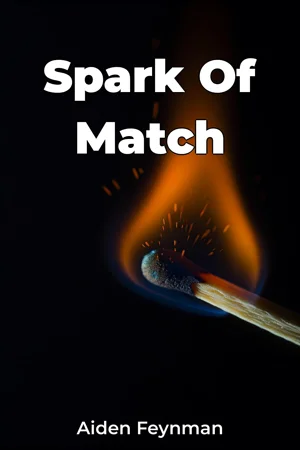
"Spark of Match" examines the pivotal role of match technology in human civilization, beginning with a revealing question: How did a simple stick with a chemical tip transform humanity's relationship with fire? This comprehensive exploration delves into the scientific ingenuity and technological evolution that made instantaneous fire-starting possible. The book presents three central themes: the chemical principles behind match ignition, the engineering achievements in match safety development, and the societal impact of reliable fire-starting technology. These interconnected aspects demonstrate how matches represent a confluence of chemistry, engineering, and human necessity. The historical narrative begins in the early 19th century, tracking the development from dangerous white phosphorus matches to modern safety matches. The text explains the fundamental chemistry of oxidation-reduction reactions and friction-based ignition, providing readers with essential scientific context while maintaining accessibility for non-specialists. The book's core argument posits that match technology served as a crucial catalyst for both domestic and industrial advancement, fundamentally changing how humans interact with fire and energy. This thesis is supported through detailed examination of patent records, chemical formulation development, and documented societal changes in fire usage patterns. Structured in three parts, the content progresses from basic principles to complex applications. Part one explores the chemistry of combustion and early match development. Part two examines the engineering challenges of creating safe, reliable matches. Part three analyzes the technology's impact on daily life and industrial processes. The research draws from chemical patents, industrial archives, and scientific journals, incorporating both historical documents and modern analysis techniques. The investigation includes laboratory studies of match composition and ignition mechanisms, providing readers with concrete scientific evidence. The book connects chemistry, engineering, and social history, demonstrating how match technology influenced cooking methods, industrial processes, and energy usage. These interdisciplinary links reveal the broader implications of this seemingly simple innovation. The text employs a methodical approach, using clear scientific explanations combined with historical analysis. Technical concepts are presented through practical examples and real-world applications, making complex chemical principles accessible to general readers. Written in an informative, analytical style, the book maintains scientific accuracy while ensuring readability for both technical and non-technical audiences. The narrative balances detailed chemical explanations with engaging historical context. The target audience includes science enthusiasts, technology historians, and general readers interested in how everyday innovations shape society. The book serves both as an educational resource and a comprehensive reference on match technology. Real-world applications discussed include modern match manufacturing techniques, safety protocols, and the ongoing role of matches in emergency preparedness. The text addresses current debates about match safety regulations and environmental impacts of different match compositions. The book acknowledges its focus on Western technological development while noting parallel developments in other regions. It maintains objective analysis of various match-making techniques and their relative merits, avoiding sensationalism in favor of factual presentation. This work fills a significant gap in technological literature by providing a detailed examination of a frequently overlooked innovation that continues to influence daily life. The text demonstrates how understanding match technology provides insights into broader principles of chemistry, engineering, and technological development.
"Spark of Match" examines the pivotal role of match technology in human civilization, beginning with a revealing question: How did a simple stick with a chemical tip transform humanity's relationship with fire? This comprehensive exploration delves into the scientific ingenuity and technological evolution that made instantaneous fire-starting possible. The book presents three central themes: the chemical principles behind match ignition, the engineering achievements in match safety development, and the societal impact of reliable fire-starting technology. These interconnected aspects demonstrate how matches represent a confluence of chemistry, engineering, and human necessity. The historical narrative begins in the early 19th century, tracking the development from dangerous white phosphorus matches to modern safety matches. The text explains the fundamental chemistry of oxidation-reduction reactions and friction-based ignition, providing readers with essential scientific context while maintaining accessibility for non-specialists. The book's core argument posits that match technology served as a crucial catalyst for both domestic and industrial advancement, fundamentally changing how humans interact with fire and energy. This thesis is supported through detailed examination of patent records, chemical formulation development, and documented societal changes in fire usage patterns. Structured in three parts, the content progresses from basic principles to complex applications. Part one explores the chemistry of combustion and early match development. Part two examines the engineering challenges of creating safe, reliable matches. Part three analyzes the technology's impact on daily life and industrial processes. The research draws from chemical patents, industrial archives, and scientific journals, incorporating both historical documents and modern analysis techniques. The investigation includes laboratory studies of match composition and ignition mechanisms, providing readers with concrete scientific evidence. The book connects chemistry, engineering, and social history, demonstrating how match technology influenced cooking methods, industrial processes, and energy usage. These interdisciplinary links reveal the broader implications of this seemingly simple innovation. The text employs a methodical approach, using clear scientific explanations combined with historical analysis. Technical concepts are presented through practical examples and real-world applications, making complex chemical principles accessible to general readers. Written in an informative, analytical style, the book maintains scientific accuracy while ensuring readability for both technical and non-technical audiences. The narrative balances detailed chemical explanations with engaging historical context. The target audience includes science enthusiasts, technology historians, and general readers interested in how everyday innovations shape society. The book serves both as an educational resource and a comprehensive reference on match technology. Real-world applications discussed include modern match manufacturing techniques, safety protocols, and the ongoing role of matches in emergency preparedness. The text addresses current debates about match safety regulations and environmental impacts of different match compositions. The book acknowledges its focus on Western technological development while noting parallel developments in other regions. It maintains objective analysis of various match-making techniques and their relative merits, avoiding sensationalism in favor of factual presentation. This work fills a significant gap in technological literature by providing a detailed examination of a frequently overlooked innovation that continues to influence daily life. The text demonstrates how understanding match technology provides insights into broader principles of chemistry, engineering, and technological development.
"Spark of Match" presents a fascinating exploration of how a seemingly simple invention revolutionized humanity's relationship with fire, weaving together chemistry, engineering, and social history. The book traces the evolution of match technology from dangerous white phosphorus variants to modern safety matches, revealing how this advancement fundamentally transformed both domestic life and industrial processes through reliable, instant fire-starting capabilities. The narrative unfolds across three distinct sections, beginning with the fundamental chemistry of combustion and early match development. Through careful examination of chemical patents, laboratory studies, and historical archives, readers discover the intricate oxidation-reduction reactions that make match ignition possible, while learning how engineers overcame significant safety challenges in match production. The book masterfully balances technical accuracy with accessibility, using practical examples to illustrate complex chemical principles for non-specialist readers. What sets this work apart is its comprehensive analysis of match technology's broader implications for society, supported by extensive research from industrial archives and scientific journals. The author demonstrates how this pivotal innovation influenced everything from cooking methods to industrial processes, while maintaining an objective stance on various match-making techniques and their environmental impacts. Through methodical presentation and clear scientific explanations, the book serves as both an educational resource and a compelling testament to how everyday innovations can reshape civilization.
Book Details
ISBN
9788233942519
Publisher
Publifye AS
Your Licenses
You don't own any licenses for this book
Purchase a license below to unlock this book and download the EPUB.
Purchase License
Select a tier to unlock this book
Need bulk licensing?
Contact us for enterprise agreements.