
About This Book
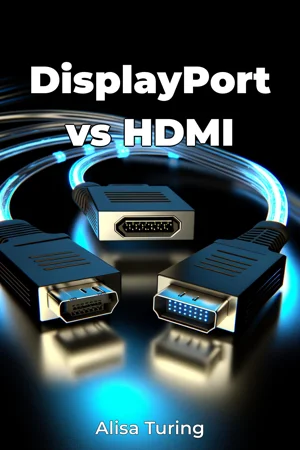
"DisplayPort vs HDMI" addresses a critical question in modern computing and entertainment: which digital display interface delivers the optimal visual experience for specific use cases? This comprehensive guide navigates the technical specifications, practical applications, and real-world implications of the two leading display connection standards. The book examines three primary areas: technical capabilities and limitations of each interface, use-case optimization, and future development trajectories. These topics are particularly relevant as display technology continues to advance, with higher resolutions, refresh rates, and color depths becoming standard features in modern devices. Beginning with the historical context, the text traces the evolution of digital display interfaces from VGA and DVI to the current HDMI and DisplayPort standards. This progression sets the foundation for understanding how each standard developed to meet specific market needs and technical requirements. The central thesis argues that neither DisplayPort nor HDMI is universally superior; rather, each excels in particular applications based on specific technical requirements and use cases. This practical approach helps readers make informed decisions about their display connectivity needs. The content is structured in three main sections. The first details the technical specifications of both standards, including bandwidth capabilities, supported resolutions, and audio features. The second section focuses on practical applications, examining how each standard performs in gaming, professional graphics work, and home entertainment scenarios. The final section explores future developments and emerging technologies in display connectivity. Supporting evidence includes detailed technical specifications, performance benchmarks, and compatibility testing results. The book incorporates research from industry standards bodies, manufacturer specifications, and real-world performance testing. The work connects multiple disciplines, including computer engineering, video production, and consumer electronics. It demonstrates how display technology intersects with content creation, gaming development, and professional visualization workflows. The book's unique approach lies in its balanced, data-driven comparison methodology, avoiding the common pitfall of declaring one standard superior to the other. Instead, it provides decision frameworks based on specific use cases and requirements. Written in a technical yet accessible style, the text maintains a professional tone while explaining complex concepts through clear examples and practical scenarios. Technical terms are thoroughly defined, making the content accessible to both technology professionals and informed enthusiasts. The target audience includes IT professionals, system integrators, content creators, and technology decision-makers who need to understand display connectivity options for various applications. The book serves as both a reference guide and a decision-making tool. Within the electronics and IT genres, the book adheres to technical accuracy while maintaining readability, including detailed specifications tables and comparison charts where appropriate. The scope covers current-generation display standards through the latest HDMI 2.1 and DisplayPort 2.1 specifications, while acknowledging that future updates will build upon these foundations. Practical applications include guidance for selecting appropriate cables and connectors, troubleshooting common issues, and optimizing display setups for specific scenarios such as multi-monitor workstations or home theater systems. The book addresses ongoing debates in the field, such as the impact of licensing fees on adoption rates and the role of proprietary technologies in standard development. It presents factual information to help readers understand these industry dynamics without taking partisan positions.
"DisplayPort vs HDMI" addresses a critical question in modern computing and entertainment: which digital display interface delivers the optimal visual experience for specific use cases? This comprehensive guide navigates the technical specifications, practical applications, and real-world implications of the two leading display connection standards. The book examines three primary areas: technical capabilities and limitations of each interface, use-case optimization, and future development trajectories. These topics are particularly relevant as display technology continues to advance, with higher resolutions, refresh rates, and color depths becoming standard features in modern devices. Beginning with the historical context, the text traces the evolution of digital display interfaces from VGA and DVI to the current HDMI and DisplayPort standards. This progression sets the foundation for understanding how each standard developed to meet specific market needs and technical requirements. The central thesis argues that neither DisplayPort nor HDMI is universally superior; rather, each excels in particular applications based on specific technical requirements and use cases. This practical approach helps readers make informed decisions about their display connectivity needs. The content is structured in three main sections. The first details the technical specifications of both standards, including bandwidth capabilities, supported resolutions, and audio features. The second section focuses on practical applications, examining how each standard performs in gaming, professional graphics work, and home entertainment scenarios. The final section explores future developments and emerging technologies in display connectivity. Supporting evidence includes detailed technical specifications, performance benchmarks, and compatibility testing results. The book incorporates research from industry standards bodies, manufacturer specifications, and real-world performance testing. The work connects multiple disciplines, including computer engineering, video production, and consumer electronics. It demonstrates how display technology intersects with content creation, gaming development, and professional visualization workflows. The book's unique approach lies in its balanced, data-driven comparison methodology, avoiding the common pitfall of declaring one standard superior to the other. Instead, it provides decision frameworks based on specific use cases and requirements. Written in a technical yet accessible style, the text maintains a professional tone while explaining complex concepts through clear examples and practical scenarios. Technical terms are thoroughly defined, making the content accessible to both technology professionals and informed enthusiasts. The target audience includes IT professionals, system integrators, content creators, and technology decision-makers who need to understand display connectivity options for various applications. The book serves as both a reference guide and a decision-making tool. Within the electronics and IT genres, the book adheres to technical accuracy while maintaining readability, including detailed specifications tables and comparison charts where appropriate. The scope covers current-generation display standards through the latest HDMI 2.1 and DisplayPort 2.1 specifications, while acknowledging that future updates will build upon these foundations. Practical applications include guidance for selecting appropriate cables and connectors, troubleshooting common issues, and optimizing display setups for specific scenarios such as multi-monitor workstations or home theater systems. The book addresses ongoing debates in the field, such as the impact of licensing fees on adoption rates and the role of proprietary technologies in standard development. It presents factual information to help readers understand these industry dynamics without taking partisan positions.
"DisplayPort vs HDMI" offers a comprehensive exploration of today's two dominant digital display interfaces, providing clarity in the often confusing world of video connectivity standards. Rather than advocating for a single "best" solution, the book takes a nuanced approach, demonstrating how each interface excels in specific scenarios. Through detailed technical analysis and real-world applications, readers learn how factors like bandwidth capabilities, refresh rates, and color depth influence performance in different use cases. The book's three-part structure begins with a historical foundation, tracing the evolution from VGA to modern standards, before diving into detailed technical specifications of both DisplayPort and HDMI. The second section offers practical insights for specific applications, from gaming and professional graphics work to home entertainment setups. Particularly valuable are the detailed performance benchmarks and compatibility testing results, which help readers make informed decisions based on their specific needs. What sets this guide apart is its data-driven comparison methodology and balanced perspective, making complex technical concepts accessible to both professionals and enthusiasts. The final section explores future developments in display technology, while providing practical guidance on cable selection, troubleshooting, and optimizing multi-monitor setups. This approach makes the book an invaluable resource for IT professionals, content creators, and technology decision-makers who need to understand the nuances of modern display connectivity.
Book Details
ISBN
9788233942410
Publisher
Publifye AS
Your Licenses
You don't own any licenses for this book
Purchase a license below to unlock this book and download the EPUB.
Purchase License
Select a tier to unlock this book
Need bulk licensing?
Contact us for enterprise agreements.