
About This Book
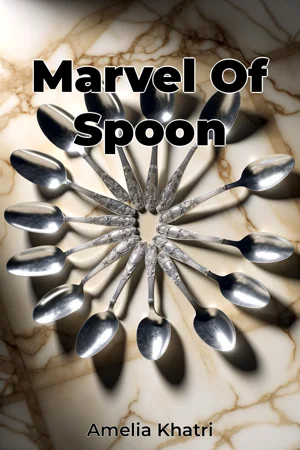
"Marvel of Spoon" examines how this fundamental utensil has shaped human dining culture and culinary evolution across civilizations, from ancient societies to modern dining tables. The book presents a detailed analysis of how this seemingly simple tool became a cornerstone of global gastronomy and social customs. The narrative begins by tracing the spoon's origins from primitive shells and carved wood to sophisticated metal implements, documenting its parallel development across different societies. Through archaeological evidence and historical records, the book reveals how the spoon's design evolved to meet specific cultural needs and available materials, from Chinese porcelain spoons to Ottoman metal works. Three main sections structure the work: the technical evolution of spoon design and materials; the cultural significance across different societies; and the spoon's role in shaping modern dining etiquette. The book draws from extensive archaeological data, anthropological studies, and culinary archives to support its central thesis that the spoon represents one of humanity's most influential tool innovations, fundamentally changing how people prepare, serve, and consume food. The research incorporates findings from metallurgy studies, demonstrating how advances in metal working influenced spoon production and accessibility. Cultural anthropology perspectives reveal how different societies adapted the spoon to their specific needs, from ritual ceremonies to everyday meals. The book includes detailed analyses of museum collections worldwide, featuring previously undocumented specimens that illuminate regional variations in design and usage. Interdisciplinary connections link culinary history with social anthropology, materials science, and economic history. The text examines how spoon development influenced trade routes, metalworking techniques, and social customs. It explores the intersection of function and status, showing how spoons evolved from mere tools to symbols of wealth and cultural refinement. The writing maintains an academic foundation while employing narrative techniques to engage readers, using specific historical examples and cultural case studies to illustrate key points. The target audience includes food historians, cultural anthropologists, and culinary enthusiasts seeking to understand how everyday objects shape human civilization. The book addresses several ongoing debates in food history, including the impact of utensil development on human dietary evolution and the role of dining implements in cultural exchange. It challenges previous assumptions about the spoon's development timeline and cultural significance, presenting new evidence for earlier and more sophisticated uses than previously documented. Practical applications include insights for modern product designers, cultural historians, and culinary professionals. The work examines contemporary innovations in spoon design, from specialized medical applications to sustainable materials development, demonstrating the continuing evolution of this essential tool. The scope encompasses global cultures while acknowledging limitations in historical record availability for certain regions and periods. The book maintains objectivity when discussing competing theories about origins and development patterns, presenting evidence-based arguments rather than speculation. Through careful examination of material culture, social customs, and technological advancement, "Marvel of Spoon" presents a comprehensive analysis of how this fundamental implement has influenced human society, offering readers a new perspective on an object that bridges the gap between necessity and cultural expression.
"Marvel of Spoon" examines how this fundamental utensil has shaped human dining culture and culinary evolution across civilizations, from ancient societies to modern dining tables. The book presents a detailed analysis of how this seemingly simple tool became a cornerstone of global gastronomy and social customs. The narrative begins by tracing the spoon's origins from primitive shells and carved wood to sophisticated metal implements, documenting its parallel development across different societies. Through archaeological evidence and historical records, the book reveals how the spoon's design evolved to meet specific cultural needs and available materials, from Chinese porcelain spoons to Ottoman metal works. Three main sections structure the work: the technical evolution of spoon design and materials; the cultural significance across different societies; and the spoon's role in shaping modern dining etiquette. The book draws from extensive archaeological data, anthropological studies, and culinary archives to support its central thesis that the spoon represents one of humanity's most influential tool innovations, fundamentally changing how people prepare, serve, and consume food. The research incorporates findings from metallurgy studies, demonstrating how advances in metal working influenced spoon production and accessibility. Cultural anthropology perspectives reveal how different societies adapted the spoon to their specific needs, from ritual ceremonies to everyday meals. The book includes detailed analyses of museum collections worldwide, featuring previously undocumented specimens that illuminate regional variations in design and usage. Interdisciplinary connections link culinary history with social anthropology, materials science, and economic history. The text examines how spoon development influenced trade routes, metalworking techniques, and social customs. It explores the intersection of function and status, showing how spoons evolved from mere tools to symbols of wealth and cultural refinement. The writing maintains an academic foundation while employing narrative techniques to engage readers, using specific historical examples and cultural case studies to illustrate key points. The target audience includes food historians, cultural anthropologists, and culinary enthusiasts seeking to understand how everyday objects shape human civilization. The book addresses several ongoing debates in food history, including the impact of utensil development on human dietary evolution and the role of dining implements in cultural exchange. It challenges previous assumptions about the spoon's development timeline and cultural significance, presenting new evidence for earlier and more sophisticated uses than previously documented. Practical applications include insights for modern product designers, cultural historians, and culinary professionals. The work examines contemporary innovations in spoon design, from specialized medical applications to sustainable materials development, demonstrating the continuing evolution of this essential tool. The scope encompasses global cultures while acknowledging limitations in historical record availability for certain regions and periods. The book maintains objectivity when discussing competing theories about origins and development patterns, presenting evidence-based arguments rather than speculation. Through careful examination of material culture, social customs, and technological advancement, "Marvel of Spoon" presents a comprehensive analysis of how this fundamental implement has influenced human society, offering readers a new perspective on an object that bridges the gap between necessity and cultural expression.
"Marvel of Spoon" presents a fascinating exploration of how this humble utensil has profoundly shaped human civilization and dining customs throughout history. From primitive shells to sophisticated metal implements, the book traces the spoon's remarkable journey across cultures, revealing its crucial role in the evolution of gastronomy and social customs worldwide. The narrative unfolds through three major themes: the technical evolution of spoon design, its diverse cultural significance, and its influence on modern dining etiquette. Drawing from archaeological evidence, anthropological studies, and culinary archives, the book reveals intriguing insights about how different societies adapted the spoon to their needs. For instance, the development of Chinese porcelain spoons and Ottoman metalwork demonstrates how local materials and cultural preferences influenced design variations. What sets this book apart is its interdisciplinary approach, weaving together perspectives from metallurgy, cultural anthropology, and economic history to paint a comprehensive picture of the spoon's impact on human society. Through carefully documented examples and case studies, readers discover how this seemingly simple tool became both a practical necessity and a symbol of cultural refinement. The book challenges previously held assumptions about the spoon's development timeline, presenting new evidence that suggests more sophisticated early uses than historically recognized.
Book Details
ISBN
9788233942199
Publisher
Publifye AS
Your Licenses
You don't own any licenses for this book
Purchase a license below to unlock this book and download the EPUB.
Purchase License
Select a tier to unlock this book
Need bulk licensing?
Contact us for enterprise agreements.