
About This Book
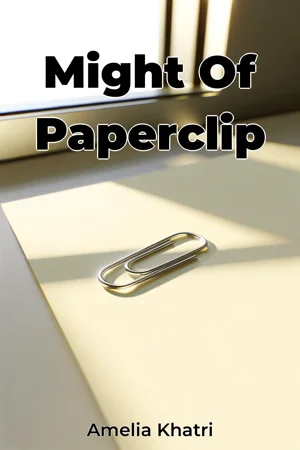
"Might Of Paperclip" examines how a simple bend of wire transformed into one of the most ubiquitous tools in human history, fundamentally changing document organization and workplace efficiency across cultures and continents. The book traces three pivotal aspects of the paperclip's journey: its technical evolution from early prototypes to the Gem design we know today, its rapid adoption across global markets, and its impact on office systematization during the 20th century. These elements combine to demonstrate how seemingly minor innovations can reshape human productivity and organizational methods. Beginning with the Norwegian inventor Johan Vaaler's 1899 patent, the narrative follows the paperclip's development through multiple iterations and designs. The book presents detailed technical analysis of various models, including the lesser-known Fay design and the ultimate triumph of the Gem pattern, which became the global standard. Through patent documents, manufacturing records, and period advertisements, readers discover how industrial processes and material science contributed to the paperclip's refinement. The central argument positions the paperclip as a catalyst for standardized document management, demonstrating how this simple device established consistent methods for organizing information across different languages, cultures, and business environments. The author presents evidence from corporate archives, efficiency studies, and historical records to support this thesis. The book's structure progresses from invention to implementation, examining: - Early document fastening methods and their limitations - The engineering principles behind different paperclip designs - Global manufacturing and distribution networks - Integration into office systems and procedures - Modern applications and adaptations Research draws from multiple disciplines, including engineering archives, business histories, and social documentation. The author incorporates economic data showing the paperclip's market penetration and manufacturing statistics that illustrate its industrial impact. The interdisciplinary approach connects engineering design principles with business efficiency studies and sociological examinations of workplace evolution. These connections demonstrate how the paperclip influenced both physical organization systems and human behavior patterns in professional environments. Written in an analytical style that balances technical detail with accessible explanations, the book maintains a scholarly approach while remaining engaging for general readers interested in technological history or business innovation. The target audience includes business historians, technology enthusiasts, and professionals interested in how common objects shape workplace culture. The scope encompasses the period from the late 19th century through the present, focusing primarily on North America and Europe but including global perspectives on adoption and adaptation. The book addresses debates about invention attribution and design optimization, examining competing claims and engineering choices that led to the current standard. Practical applications for readers include understanding how simple innovations can drive systematic changes, recognizing patterns in technology adoption, and appreciating the role of standardization in global business practices. The book also explores modern variations and adaptations of the original concept, demonstrating its continued relevance in digital and physical organization systems. This comprehensive examination of the paperclip serves as a lens through which to view broader patterns of technological adoption, standardization, and the evolution of workplace efficiency. By focusing on this single, humble object, the book reveals larger truths about how innovations transform society and how seemingly simple solutions can have far-reaching consequences.
"Might Of Paperclip" examines how a simple bend of wire transformed into one of the most ubiquitous tools in human history, fundamentally changing document organization and workplace efficiency across cultures and continents. The book traces three pivotal aspects of the paperclip's journey: its technical evolution from early prototypes to the Gem design we know today, its rapid adoption across global markets, and its impact on office systematization during the 20th century. These elements combine to demonstrate how seemingly minor innovations can reshape human productivity and organizational methods. Beginning with the Norwegian inventor Johan Vaaler's 1899 patent, the narrative follows the paperclip's development through multiple iterations and designs. The book presents detailed technical analysis of various models, including the lesser-known Fay design and the ultimate triumph of the Gem pattern, which became the global standard. Through patent documents, manufacturing records, and period advertisements, readers discover how industrial processes and material science contributed to the paperclip's refinement. The central argument positions the paperclip as a catalyst for standardized document management, demonstrating how this simple device established consistent methods for organizing information across different languages, cultures, and business environments. The author presents evidence from corporate archives, efficiency studies, and historical records to support this thesis. The book's structure progresses from invention to implementation, examining: - Early document fastening methods and their limitations - The engineering principles behind different paperclip designs - Global manufacturing and distribution networks - Integration into office systems and procedures - Modern applications and adaptations Research draws from multiple disciplines, including engineering archives, business histories, and social documentation. The author incorporates economic data showing the paperclip's market penetration and manufacturing statistics that illustrate its industrial impact. The interdisciplinary approach connects engineering design principles with business efficiency studies and sociological examinations of workplace evolution. These connections demonstrate how the paperclip influenced both physical organization systems and human behavior patterns in professional environments. Written in an analytical style that balances technical detail with accessible explanations, the book maintains a scholarly approach while remaining engaging for general readers interested in technological history or business innovation. The target audience includes business historians, technology enthusiasts, and professionals interested in how common objects shape workplace culture. The scope encompasses the period from the late 19th century through the present, focusing primarily on North America and Europe but including global perspectives on adoption and adaptation. The book addresses debates about invention attribution and design optimization, examining competing claims and engineering choices that led to the current standard. Practical applications for readers include understanding how simple innovations can drive systematic changes, recognizing patterns in technology adoption, and appreciating the role of standardization in global business practices. The book also explores modern variations and adaptations of the original concept, demonstrating its continued relevance in digital and physical organization systems. This comprehensive examination of the paperclip serves as a lens through which to view broader patterns of technological adoption, standardization, and the evolution of workplace efficiency. By focusing on this single, humble object, the book reveals larger truths about how innovations transform society and how seemingly simple solutions can have far-reaching consequences.
"Might Of Paperclip" explores the remarkable journey of how a modest piece of bent wire revolutionized document organization and workplace efficiency worldwide. From its origins with Johan Vaaler's 1899 patent to its evolution into the ubiquitous Gem design, this simple invention fundamentally transformed how businesses and individuals manage information across cultural and linguistic boundaries. The book meticulously traces three key developments: the paperclip's technical evolution through various prototypes, its swift global market penetration, and its profound impact on office systematization during the 20th century. Through extensive research drawing from engineering archives, business histories, and social documentation, readers discover fascinating insights about competing designs like the Fay pattern and how material science and industrial processes contributed to the paperclip's refinement. The author skillfully balances technical analysis with accessible explanations, making complex engineering principles understandable to general readers. Progressing from early document fastening methods to modern applications, the narrative reveals how this seemingly minor innovation established standardized document management practices across the globe. The book's interdisciplinary approach uniquely demonstrates how the paperclip not only solved a practical problem but also influenced human behavior patterns in professional environments, making it an invaluable study for business historians, technology enthusiasts, and anyone interested in how simple innovations can drive systematic changes in society.
Book Details
ISBN
9788233942151
Publisher
Publifye AS
Your Licenses
You don't own any licenses for this book
Purchase a license below to unlock this book and download the EPUB.
Purchase License
Select a tier to unlock this book
Need bulk licensing?
Contact us for enterprise agreements.