
About This Book
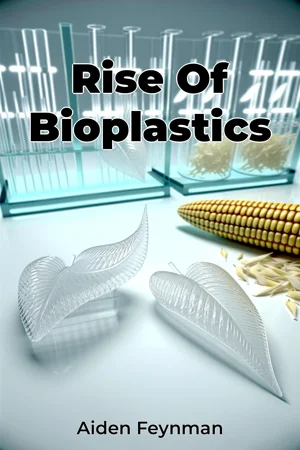
"Rise of Bioplastics" examines the critical transition from petroleum-based polymers to sustainable alternatives, presenting a comprehensive analysis of how renewable resource-derived materials are reshaping the plastics industry and addressing global waste challenges. The book delves into three core areas: the scientific foundations of biopolymer development, the industrial scaling of renewable plastic production, and the environmental impact assessment of these materials. These topics form the backbone of understanding how bioplastics can potentially resolve the growing plastic waste crisis while maintaining the functionality modern society requires. Beginning with the historical context of plastic development, the text traces the evolution from early natural polymers to synthetic plastics, establishing the framework for understanding current challenges. The narrative then shifts to modern biopolymer science, examining how researchers extract and modify materials from sources such as corn starch, cellulose, and agricultural waste to create viable plastic alternatives. The central thesis argues that bioplastics represent a necessary bridge between current plastic-dependent industries and a sustainable future, supported by detailed analysis of production methods, material properties, and environmental impacts. This argument is developed through evidence-based chapters that progressively build the case for widespread bioplastic adoption. The book's structure moves from fundamental concepts to practical applications, incorporating case studies from successful bioplastic implementations in packaging, automotive components, and medical devices. Technical data from laboratory studies, industrial trials, and environmental assessments provide robust support for the presented arguments. Research evidence includes peer-reviewed studies on biodegradation rates, lifecycle analyses, and economic feasibility reports. The text integrates findings from agricultural science, polymer chemistry, and environmental engineering, demonstrating the interdisciplinary nature of bioplastic development. The work connects multiple fields, linking materials science with agricultural practices and industrial engineering. These connections highlight how advances in one area drive progress in others, creating a comprehensive understanding of the bioplastics ecosystem. Written in a technical yet accessible style, the book maintains a balanced approach between scientific rigor and practical application. It serves researchers, industry professionals, and informed readers interested in sustainable technologies and environmental solutions. The content addresses ongoing debates regarding biodegradability standards, land use for bioplastic raw materials, and the true environmental impact of these alternatives. It presents multiple viewpoints while maintaining focus on evidence-based conclusions. The scope encompasses current commercial bioplastic technologies while acknowledging emerging research directions. Practical sections guide industry professionals through implementation challenges, including material selection, processing requirements, and cost considerations. Real-world applications are emphasized through detailed case studies of successful bioplastic implementations across various industries. The text provides specific guidance for manufacturers considering transitions to bioplastic materials, including technical specifications and process modifications. For biotechnology and technology professionals, the book offers valuable insights into market trends, regulatory frameworks, and technical challenges in bioplastic development. Environmental scientists will find comprehensive analysis of impact assessments and lifecycle studies. The work maintains objectivity while addressing controversies such as food-versus-materials agricultural allocation and varying international standards for biodegradability claims. It presents current limitations of bioplastic technologies while exploring potential solutions and future developments.
"Rise of Bioplastics" examines the critical transition from petroleum-based polymers to sustainable alternatives, presenting a comprehensive analysis of how renewable resource-derived materials are reshaping the plastics industry and addressing global waste challenges. The book delves into three core areas: the scientific foundations of biopolymer development, the industrial scaling of renewable plastic production, and the environmental impact assessment of these materials. These topics form the backbone of understanding how bioplastics can potentially resolve the growing plastic waste crisis while maintaining the functionality modern society requires. Beginning with the historical context of plastic development, the text traces the evolution from early natural polymers to synthetic plastics, establishing the framework for understanding current challenges. The narrative then shifts to modern biopolymer science, examining how researchers extract and modify materials from sources such as corn starch, cellulose, and agricultural waste to create viable plastic alternatives. The central thesis argues that bioplastics represent a necessary bridge between current plastic-dependent industries and a sustainable future, supported by detailed analysis of production methods, material properties, and environmental impacts. This argument is developed through evidence-based chapters that progressively build the case for widespread bioplastic adoption. The book's structure moves from fundamental concepts to practical applications, incorporating case studies from successful bioplastic implementations in packaging, automotive components, and medical devices. Technical data from laboratory studies, industrial trials, and environmental assessments provide robust support for the presented arguments. Research evidence includes peer-reviewed studies on biodegradation rates, lifecycle analyses, and economic feasibility reports. The text integrates findings from agricultural science, polymer chemistry, and environmental engineering, demonstrating the interdisciplinary nature of bioplastic development. The work connects multiple fields, linking materials science with agricultural practices and industrial engineering. These connections highlight how advances in one area drive progress in others, creating a comprehensive understanding of the bioplastics ecosystem. Written in a technical yet accessible style, the book maintains a balanced approach between scientific rigor and practical application. It serves researchers, industry professionals, and informed readers interested in sustainable technologies and environmental solutions. The content addresses ongoing debates regarding biodegradability standards, land use for bioplastic raw materials, and the true environmental impact of these alternatives. It presents multiple viewpoints while maintaining focus on evidence-based conclusions. The scope encompasses current commercial bioplastic technologies while acknowledging emerging research directions. Practical sections guide industry professionals through implementation challenges, including material selection, processing requirements, and cost considerations. Real-world applications are emphasized through detailed case studies of successful bioplastic implementations across various industries. The text provides specific guidance for manufacturers considering transitions to bioplastic materials, including technical specifications and process modifications. For biotechnology and technology professionals, the book offers valuable insights into market trends, regulatory frameworks, and technical challenges in bioplastic development. Environmental scientists will find comprehensive analysis of impact assessments and lifecycle studies. The work maintains objectivity while addressing controversies such as food-versus-materials agricultural allocation and varying international standards for biodegradability claims. It presents current limitations of bioplastic technologies while exploring potential solutions and future developments.
"Rise of Bioplastics" presents a comprehensive exploration of the transformative shift from traditional petroleum-based plastics to sustainable, renewable alternatives. This timely work examines how bioplastics are revolutionizing industries while addressing the global plastic waste crisis, offering a detailed analysis of both the scientific foundations and practical applications of these innovative materials. The book skillfully bridges the gap between complex polymer science and real-world implementation, making it accessible to both technical professionals and environmentally conscious readers. The narrative progresses logically from historical context to cutting-edge developments, examining how materials derived from sources like corn starch, cellulose, and agricultural waste are being transformed into viable plastic alternatives. Through evidence-based chapters, the book presents compelling case studies across various sectors, including packaging, automotive, and medical industries, demonstrating the practical potential of bioplastic technologies. Particularly fascinating is the book's examination of biodegradation rates and lifecycle analyses, which provide crucial insights into the environmental impact of these materials. The work stands out for its balanced approach to controversial topics, such as the food-versus-materials debate in agriculture and varying international biodegradability standards. It combines technical precision with practical guidance, making it an invaluable resource for professionals in biotechnology, environmental engineering, and materials science. By integrating findings from multiple disciplines and providing detailed implementation strategies, the book offers a roadmap for industries transitioning to more sustainable material solutions while acknowledging current limitations and future possibilities.
Book Details
ISBN
9788233942137
Publisher
Publifye AS
Your Licenses
You don't own any licenses for this book
Purchase a license below to unlock this book and download the EPUB.
Purchase License
Select a tier to unlock this book
Need bulk licensing?
Contact us for enterprise agreements.