
About This Book
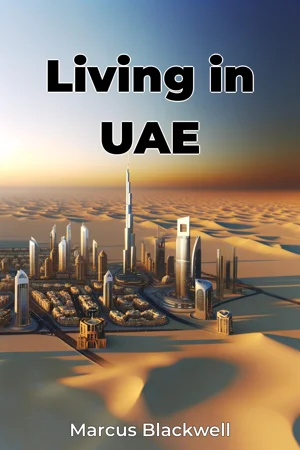
"Living in UAE" provides a comprehensive examination of life in one of the world's most rapidly developing nations, where traditional Bedouin values intersect with ultramodern urban development. This practical guide bridges the knowledge gap for professionals, families, and individuals considering relocation to the United Arab Emirates, offering detailed insights into the complexities of daily life in this dynamic Gulf nation. The book addresses three primary areas: the UAE's economic and urban landscape, social-cultural dynamics, and practical considerations for expatriate living. These interconnected themes help readers navigate both professional opportunities and cultural adjustments in a country where over 80% of residents are expatriates. Beginning with historical context, the text traces the UAE's transformation from a pearling and fishing economy to a global business hub following the discovery of oil in the 1950s. This foundation helps readers understand the present-day economic structure, including free zones, tax policies, and business regulations that shape opportunities for foreign professionals. The core argument presents the UAE as a unique example of managed modernization, where careful planning has created a balance between preservation of cultural heritage and rapid development. This understanding is crucial for successful integration into Emirati society. Structured in thematic sections, the book first explores the urban environment, focusing on Dubai and Abu Dhabi's infrastructure, transportation systems, and architectural achievements. The second section examines social structures, including the kafala system, gender roles, and religious observations. The final section provides practical guidance on housing, healthcare, education, and daily routines. Research draws from government data, economic reports, and firsthand accounts from long-term residents. The analysis incorporates demographic studies, urban planning documents, and cultural research to provide evidence-based insights into living conditions and social dynamics. The work connects multiple disciplines, including urban studies, economics, and anthropology, creating a thorough understanding of the UAE's complex social fabric. These intersections highlight how business practices, cultural traditions, and modern development influence daily life. The book's distinctive approach lies in its balanced presentation of opportunities and challenges, avoiding both overly optimistic or critical perspectives. Instead, it focuses on practical, actionable information while acknowledging the realities of adaptation to a new cultural environment. Written in a clear, instructive style, the text combines analytical insights with practical guidance, making it accessible to both professionals and families. The target audience includes potential expatriates, business professionals, and students of Middle Eastern studies. Following social science conventions, the book provides detailed citations, case studies, and comparative analyses while maintaining readability for non-academic audiences. The scope encompasses major urban centers while acknowledging regional variations between emirates. Practical applications include guidance on business etiquette, housing selection, school enrollment, and cultural integration strategies. The text addresses current debates about expatriate rights, cultural preservation, and sustainable development without taking partisan positions. The work maintains objectivity while discussing sensitive topics such as dress codes, behavioral expectations, and religious practices. It provides current information on housing costs, salary expectations, and living standards, helping readers make informed decisions about relocation to the UAE.
"Living in UAE" provides a comprehensive examination of life in one of the world's most rapidly developing nations, where traditional Bedouin values intersect with ultramodern urban development. This practical guide bridges the knowledge gap for professionals, families, and individuals considering relocation to the United Arab Emirates, offering detailed insights into the complexities of daily life in this dynamic Gulf nation. The book addresses three primary areas: the UAE's economic and urban landscape, social-cultural dynamics, and practical considerations for expatriate living. These interconnected themes help readers navigate both professional opportunities and cultural adjustments in a country where over 80% of residents are expatriates. Beginning with historical context, the text traces the UAE's transformation from a pearling and fishing economy to a global business hub following the discovery of oil in the 1950s. This foundation helps readers understand the present-day economic structure, including free zones, tax policies, and business regulations that shape opportunities for foreign professionals. The core argument presents the UAE as a unique example of managed modernization, where careful planning has created a balance between preservation of cultural heritage and rapid development. This understanding is crucial for successful integration into Emirati society. Structured in thematic sections, the book first explores the urban environment, focusing on Dubai and Abu Dhabi's infrastructure, transportation systems, and architectural achievements. The second section examines social structures, including the kafala system, gender roles, and religious observations. The final section provides practical guidance on housing, healthcare, education, and daily routines. Research draws from government data, economic reports, and firsthand accounts from long-term residents. The analysis incorporates demographic studies, urban planning documents, and cultural research to provide evidence-based insights into living conditions and social dynamics. The work connects multiple disciplines, including urban studies, economics, and anthropology, creating a thorough understanding of the UAE's complex social fabric. These intersections highlight how business practices, cultural traditions, and modern development influence daily life. The book's distinctive approach lies in its balanced presentation of opportunities and challenges, avoiding both overly optimistic or critical perspectives. Instead, it focuses on practical, actionable information while acknowledging the realities of adaptation to a new cultural environment. Written in a clear, instructive style, the text combines analytical insights with practical guidance, making it accessible to both professionals and families. The target audience includes potential expatriates, business professionals, and students of Middle Eastern studies. Following social science conventions, the book provides detailed citations, case studies, and comparative analyses while maintaining readability for non-academic audiences. The scope encompasses major urban centers while acknowledging regional variations between emirates. Practical applications include guidance on business etiquette, housing selection, school enrollment, and cultural integration strategies. The text addresses current debates about expatriate rights, cultural preservation, and sustainable development without taking partisan positions. The work maintains objectivity while discussing sensitive topics such as dress codes, behavioral expectations, and religious practices. It provides current information on housing costs, salary expectations, and living standards, helping readers make informed decisions about relocation to the UAE.
"Living in UAE" offers an invaluable exploration of life in a nation where ancient Bedouin traditions seamlessly blend with cutting-edge urban development. This comprehensive guide examines the unique landscape of the United Arab Emirates, where over 80% of residents are expatriates navigating a carefully managed balance between cultural preservation and rapid modernization. The book uniquely captures the transformation of this Gulf nation from its pearling and fishing roots to its current status as a global business hub, providing essential context for anyone considering relocation. Through a well-structured approach spanning three main areas - economic landscape, socio-cultural dynamics, and practical expatriate living - the book delivers actionable insights into daily life in the UAE. Readers gain deep understanding of crucial elements like the kafala system, gender roles, and religious observations, while also receiving practical guidance on housing, healthcare, and education. The text particularly shines in its examination of Dubai and Abu Dhabi's infrastructure and architectural achievements, offering readers a clear picture of what to expect in these ultramodern cities. What sets this guide apart is its balanced perspective, avoiding both over-optimism and excessive criticism while focusing on evidence-based insights drawn from government data, economic reports, and firsthand accounts. The book serves as an essential resource for professionals, families, and students of Middle Eastern studies, combining analytical depth with practical applications in areas such as business etiquette, cultural integration, and daily routines. Its thorough treatment of both opportunities and challenges provides readers with a realistic framework for understanding life in this dynamic Gulf nation.
Book Details
ISBN
9788233942007
Publisher
Publifye AS
Your Licenses
You don't own any licenses for this book
Purchase a license below to unlock this book and download the EPUB.
Purchase License
Select a tier to unlock this book
Need bulk licensing?
Contact us for enterprise agreements.