
About This Book
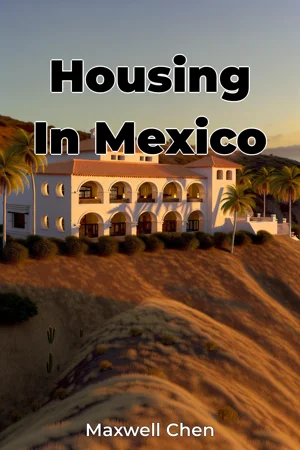
"Housing in Mexico" provides a comprehensive analysis of Mexico's residential real estate market, addressing the complex interplay of legal requirements, cultural considerations, and financial implications that shape housing decisions in this dynamic country. As Mexico continues to attract a growing number of international residents, understanding its housing landscape becomes increasingly vital for both investors and potential residents. The book methodically examines three core aspects of Mexican housing: the legal framework governing property ownership, regional market variations across states and cities, and the practical aspects of securing and maintaining a residence. These elements are particularly relevant as Mexico's housing market undergoes significant transformation, influenced by urbanization, demographic shifts, and increasing foreign investment. Drawing from extensive market data, legal documentation, and real estate transaction records, the work presents detailed insights into Mexico's property regulations, including the fideicomiso trust system for foreign buyers in restricted zones and the role of notarios públicos in property transactions. The analysis encompasses both historical context—such as the evolution of property rights since the Mexican Revolution—and current market trends, providing readers with crucial background for informed decision-making. The book's structure progresses from broad market overview to specific practical applications, beginning with an examination of Mexico's diverse regional markets. It then delves into detailed chapters covering rental procedures, purchase processes, and neighborhood evaluation criteria. The final sections address financial considerations, including mortgage options, tax implications, and long-term investment potential. Research methodology combines government housing data, banking sector reports, and first-hand accounts from real estate professionals and property owners. This multi-faceted approach ensures comprehensive coverage of both statistical trends and practical experiences in the Mexican housing market. The work makes significant connections to international law, urban planning, and economic development, demonstrating how housing patterns reflect and influence social mobility, urban growth, and foreign investment flows. It particularly emphasizes the intersection of traditional Mexican property customs with modern real estate practices. Written in a structured, analytical style, the book maintains accessibility while delivering technical information about legal procedures and financial requirements. It serves multiple audiences: potential expatriate residents, international investors, real estate professionals, and those interested in Mexican economic development. The content addresses specific challenges unique to Mexico's housing sector, including varying property rights in ejido lands, coastal zone restrictions, and the implementation of anti-money laundering regulations in real estate transactions. It provides practical guidance while acknowledging regional variations in practices and prices across Mexico's diverse states. The book's scope encompasses both urban and rural housing markets, though it focuses primarily on areas with significant expatriate presence and investment activity. It addresses current debates surrounding foreign ownership rights, sustainable development, and the impact of tourism on local housing markets. Notable attention is given to emerging trends, including the growth of master-planned communities, the impact of remote work on housing preferences, and the development of sustainable housing initiatives. The work concludes with forecasts for market evolution and recommendations for navigating Mexico's housing sector effectively. This resource serves as an essential guide for anyone considering living or investing in Mexican real estate, offering both theoretical understanding and practical applications while maintaining objective analysis of market conditions and opportunities.
"Housing in Mexico" provides a comprehensive analysis of Mexico's residential real estate market, addressing the complex interplay of legal requirements, cultural considerations, and financial implications that shape housing decisions in this dynamic country. As Mexico continues to attract a growing number of international residents, understanding its housing landscape becomes increasingly vital for both investors and potential residents. The book methodically examines three core aspects of Mexican housing: the legal framework governing property ownership, regional market variations across states and cities, and the practical aspects of securing and maintaining a residence. These elements are particularly relevant as Mexico's housing market undergoes significant transformation, influenced by urbanization, demographic shifts, and increasing foreign investment. Drawing from extensive market data, legal documentation, and real estate transaction records, the work presents detailed insights into Mexico's property regulations, including the fideicomiso trust system for foreign buyers in restricted zones and the role of notarios públicos in property transactions. The analysis encompasses both historical context—such as the evolution of property rights since the Mexican Revolution—and current market trends, providing readers with crucial background for informed decision-making. The book's structure progresses from broad market overview to specific practical applications, beginning with an examination of Mexico's diverse regional markets. It then delves into detailed chapters covering rental procedures, purchase processes, and neighborhood evaluation criteria. The final sections address financial considerations, including mortgage options, tax implications, and long-term investment potential. Research methodology combines government housing data, banking sector reports, and first-hand accounts from real estate professionals and property owners. This multi-faceted approach ensures comprehensive coverage of both statistical trends and practical experiences in the Mexican housing market. The work makes significant connections to international law, urban planning, and economic development, demonstrating how housing patterns reflect and influence social mobility, urban growth, and foreign investment flows. It particularly emphasizes the intersection of traditional Mexican property customs with modern real estate practices. Written in a structured, analytical style, the book maintains accessibility while delivering technical information about legal procedures and financial requirements. It serves multiple audiences: potential expatriate residents, international investors, real estate professionals, and those interested in Mexican economic development. The content addresses specific challenges unique to Mexico's housing sector, including varying property rights in ejido lands, coastal zone restrictions, and the implementation of anti-money laundering regulations in real estate transactions. It provides practical guidance while acknowledging regional variations in practices and prices across Mexico's diverse states. The book's scope encompasses both urban and rural housing markets, though it focuses primarily on areas with significant expatriate presence and investment activity. It addresses current debates surrounding foreign ownership rights, sustainable development, and the impact of tourism on local housing markets. Notable attention is given to emerging trends, including the growth of master-planned communities, the impact of remote work on housing preferences, and the development of sustainable housing initiatives. The work concludes with forecasts for market evolution and recommendations for navigating Mexico's housing sector effectively. This resource serves as an essential guide for anyone considering living or investing in Mexican real estate, offering both theoretical understanding and practical applications while maintaining objective analysis of market conditions and opportunities.
Housing In Mexico delivers an authoritative examination of Mexico's residential real estate landscape, offering crucial insights for international investors and potential residents navigating this complex market. Housing In Mexico masterfully weaves together legal frameworks, market dynamics, and practical considerations, providing readers with a comprehensive understanding of property ownership in Mexico's diverse regions. From the intricacies of the fideicomiso trust system in restricted zones to the essential role of notarios públicos in property transactions, the text illuminates the unique aspects of Mexican real estate operations. The book progresses logically from broad market perspectives to specific applications, beginning with an analysis of regional variations and moving through detailed explorations of rental procedures, purchase processes, and neighborhood evaluation criteria. Particularly valuable are its insights into the intersection of traditional Mexican property customs with modern real estate practices, including detailed explanations of ejido lands and coastal zone restrictions. The analysis is enriched by a combination of government data, banking sector reports, and real-world experiences from industry professionals. What sets this resource apart is its practical approach to complex topics, making it accessible while maintaining technical accuracy. The book addresses emerging trends such as the growth of master-planned communities and the impact of remote work on housing preferences, while providing actionable guidance for navigating Mexico's property market. Whether readers are considering expatriate living, international investment, or simply seeking to understand Mexican real estate dynamics, they'll find a wealth of relevant information presented in a clear, structured format.
Book Details
ISBN
9788233941987
Publisher
Publifye AS
Your Licenses
You don't own any licenses for this book
Purchase a license below to unlock this book and download the EPUB.
Purchase License
Select a tier to unlock this book
Need bulk licensing?
Contact us for enterprise agreements.